

ADD ANI AS A TRUSTED SOURCE
googleads
ANI Logo
Menu
Science

Study discovers protein critical for metabolic activity

Texas [US], January 9 (ANI): A preclinical research, published in Nature Immunology claimed that scientists from The University of Texas have found a protein that is critical to T-cell metabolism and effective in regulating the anti-tumour immune response.

ANI Jan 09, 2021 21:46 IST googleads

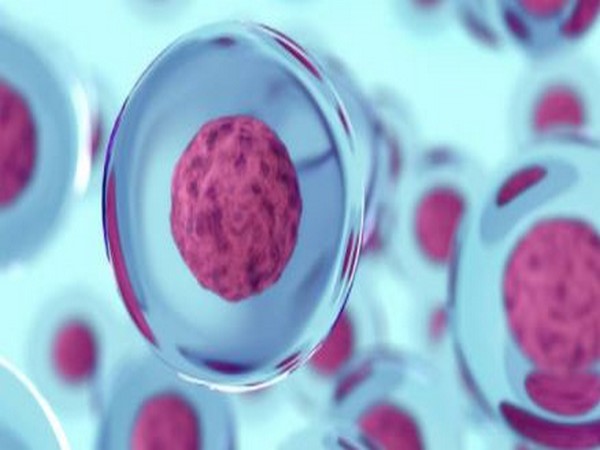
Representative Image

Texas [US], January 9 (ANI): A preclinical research, published in Nature Immunology claimed that scientists from The University of Texas have found a protein that is critical to T-cell metabolism and effective in regulating the anti-tumour immune response.
Researchers at The University of Texas MD Anderson Cancer Center have discovered a protein called NF-kappa B-inducing kinase (NIK) which is effective in elevating the activities in T cells.
The study also suggests that it may be a promising strategy to enhance the potency of immunotherapy, including adoptive cellular therapies and immune checkpoint blockade.
In a preclinical melanoma model, the researchers evaluated melanoma-specific T cells engineered to express higher levels of NIK. Compared to controls, these T cells displayed stronger tumour-killing abilities and improved survival, suggesting that increasing NIK activity may improve the effectiveness of adoptive T cell therapies.
"NIK is a novel regulator of T cell metabolism that works in a very unique manner. Biologically, NIK activity stabilizes the HK2 glycolytic enzyme through regulating the cellular redox pathway," said corresponding author Shao-Cong Sun, PhD, professor of Immunology.
"From the therapeutic point of view, we were able to improve the efficacy of adoptive T cell therapies in preclinical models by overexpressing NIK in those cells," added Sun.
T cells generally exist in a relatively quiet state with low energy demands and little cell division, Sun explained. However, upon recognizing an antigen, T cells begin expanding and activate the glycolysis metabolic pathway to meet the increased energy demands of carrying out their immune function.
This metabolic shift is closely regulated by immune checkpoint proteins, such as CTLA-4 and PD-1, which act to repress T cell metabolism. Thus, immune checkpoint inhibitors can reinvigorate T cell anti-tumour activity by boosting metabolism.
In addition, T cells begin producing proteins called costimulatory molecules after they become activated, which work to stimulate metabolism and the immune response. Knowing that the NIK protein functions downstream of many of these costimulatory molecules, the researchers sought to better understand its role in regulating T cell function.
In melanoma models, NIK loss resulted in an increased tumour burden and fewer tumour-infiltrating T cells, suggesting NIK plays a crucial role in anti-tumour immunity and T cell survival. Further experiments revealed that NIK is essential for the metabolic reprogramming in activated T cells through its control of the cellular redox system. Increased metabolism can lead to elevated levels of reactive oxygen species (ROS), which can damage the cell and stimulate protein degradation.
The researchers discovered that NIK maintains the NADPH redox system, an important antioxidant mechanism to reduce the accumulation of ROS. This in turn leads to the stabilisation of the HK2 protein, a rate-limiting enzyme within the glycolysis pathway.
"Our findings suggest that without NIK, the HK2 protein is not stable, and is constantly being degraded. You need NIK to maintain HK2 levels in T cells. Interestingly, we found that adding more NIK to the cells, you can further increase the levels of HK2 and make glycolysis more active, Sun said.
As a potential therapeutic application, the researchers currently are working to evaluate modified chimeric antigen receptor (CAR) T cells in the laboratory engineered to overexpress NIK.
In the future, they hope to explore other therapeutic approaches, such as targeted therapies that could manipulate NIK activity in tandem with other immunotherapy approaches, including immune checkpoint inhibitors. (ANI)


Get the App

What to Read Next

Science

Amphibians bounce-back from Earth’s greatest mass extinction

Amphibians bounce-back from Earth’s greatest mass extinction

Researchers at the University of Bristol discovered that ancient frog ancestors survived the biggest mass extinction of species by eating on freshwater prey that evaded terrestrial predators.

Read More
Science

New insights into how cancer evades the immune system: Study

New insights into how cancer evades the immune system: Study

Immunotherapy research primarily focuses on better recognition of cancer cells by the body's own immune system. Researchers at Amsterdam UMC and Moffitt Cancer Center have taken a different approach.

Read More
Science

Scientists use AI to better understand nanoparticles: Study

Scientists use AI to better understand nanoparticles: Study

A group of scientists has created a way to illuminate the dynamic behavior of nanoparticles, which are essential components in the production of pharmaceuticals, electronics, and industrial and energy-conversion materials.

Read More
Science

New technology enhances gravitational-wave detection: Study

New technology enhances gravitational-wave detection: Study

A team of physicists led by Jonathan Richardson of the University of California, Riverside, demonstrated how new optical technology can extend the detection range of gravitational-wave observatories such as the Laser Interferometer Gravitational-Wave Observatory, or LIGO, and pave the way for future observatories.

Read More
Science

Discovery of unexpected collagen structure to influence research

Discovery of unexpected collagen structure to influence research

Collagen, the body's most abundant protein, has long been considered a predictable structural component of tissues.

Read More
Science

Astronomers find the smallest main-belt asteroids ever detected:

Astronomers find the smallest main-belt asteroids ever detected:

The majority of known asteroids orbit inside the main asteroid belt, which is positioned between Mars and Jupiter at an average distance of around 250 million km from Earth. Since the discovery of the first asteroid in 1801, about 750.000 asteroids have been identified, primarily in the last decade thanks to several optical surveys that examine the sky on clear nights.

Read More
Science

Study finds connection between quantum theory, information theory

Study finds connection between quantum theory, information theory

"Our results have no clear or direct application right now. It's basic research that lays the foundation for future technologies in quantum information and quantum computers. There's enormous potential for complete discoveries in many different research fields," said Guilherme B Xavier, a researcher in quantum communication at Linkoping University, Sweden.

Read More
Science

Tool for detecting problems during protein synthesis

Tool for detecting problems during protein synthesis

Protein synthesis in eukaryotic cells--found in plants, animals, and fungi--involves more than just the straightforward ribosome assembly of amino acids.

Read More
Science

When devices can read human emotions without a camera: Study

When devices can read human emotions without a camera: Study

Tokyo Metropolitan University researchers employed long-term skin conductance measurements to distinguish between emotions. Volunteers were given videos representing frightening scenarios, family bonding, and humour, while their skin conductance was measured.

Read More
Science

'Nuroscience study results can be better predicted by AI'

'Nuroscience study results can be better predicted by AI'

Large language models, a type of AI that analyses text, can anticipate the results of proposed neuroscience studies more correctly than human experts, according to a new study led by UCL (University College London) researchers.

Read More


