

ADD ANI AS A TRUSTED SOURCE
googleads
ANI Logo
Menu
Science

Protection against severe COVID-19 inherited from Neandertals

Washington [US], February 17 (ANI): A new study has suggested that a genetic variant associated with reduced coronavirus severity was inherited from Neandertals.

ANI Feb 17, 2021 05:20 IST googleads

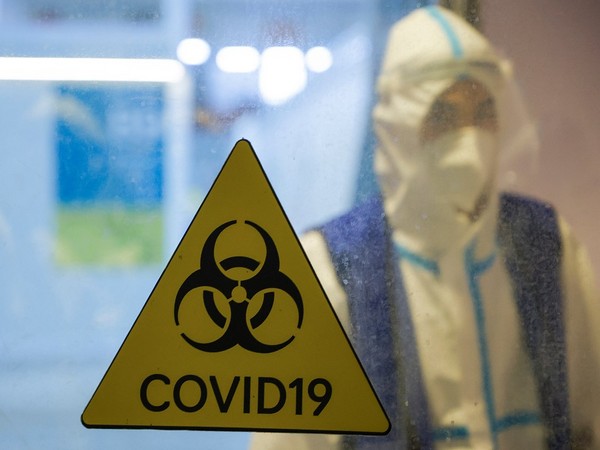
Representative Image

Washington [US], February 17 (ANI): A new study has suggested that a genetic variant associated with reduced coronavirus severity was inherited from Neandertals.
According to researches, previously, a genetic factor associated with an increased risk of contracting severe COVID-19 was shown to be inherited from Neandertals.
Researchers Hugo Zeberg and Svante Paabo analyzed new data from the Genetics of Mortality in Critical Care consortium, which includes more than 2,200 critically ill COVID-19 patients, and identified several additional genomic regions associated with COVID-19 hospitalisation.
Using genomic data from published databases, the authors found that the sequence variations associated with COVID-19 hospitalisation in one of these regions, located on chromosome 12, tended to be inherited together in Europeans.
This DNA segment is closely related to that found at the same location in all three Neandertal genomes sequenced to date. The Neandertal DNA segment is associated with a 22 per cent reduction in the risk of requiring hospitalisation for COVID-19.
In modern humans, the segment occurs at substantial frequencies in Eurasia and the Americas but is almost completely absent in sub-Saharan Africa. The DNA segment encompasses all or parts of three genes involved in cells' response to RNA virus infection.
The authors further said that the results suggest that the genetic contributions of Neandertals to present-day humans are complex, conferring both increased and decreased risk of becoming severely ill during the current pandemic. (ANI)

Get the App

What to Read Next

Science

COVID-19 severity may be predicted by White Blood Cell Count

COVID-19 severity may be predicted by White Blood Cell Count

A COVID-19 diagnosis is no longer as frightening as it used to be, thanks to developments in treatment choices. However, a new study reveals that leukocyte (white blood cell) count may now be used to identify who is more likely to develop more significant disease symptoms.

Read More
Science

Immune cells prevent lung healing following viral infection

Immune cells prevent lung healing following viral infection

Researchers found a mechanism by which immune cells impede the regeneration of the lungs' defensive barrier following viral infections such as COVID-19.

Read More
Science

Vaping can enhance vulnerability to infection with SARS-CoV-2

Vaping can enhance vulnerability to infection with SARS-CoV-2

According to a study, vapers are susceptible to infection by SARS-CoV-2, the virus that causes COVID-19 and continues to infect people all over the world.

Read More
Science

Study finds how new type of cell therapy help ARDS patients

  Study finds how new type of cell therapy help ARDS patients

A novel form of cell therapy may help patients who are critically ill with acute respiratory distress syndrome (ARDS) brought on by severe COVID-19, according to a study.

Read More
Science

Study finds paxlovid treatment does not lower risk of long Covid

Study finds paxlovid treatment does not lower risk of long Covid

Paxlovid (Nirmatrelvir-ritonavir) did not decrease the chance of developing long COVID in vaccinated, non-hospitalized patients during their initial COVID-19 infection, according to a team of UC San Francisco researchers. They also discovered a larger number of people with acute symptoms rebounding and testing positive than previously reported.

Read More
Science

Pandemic: How mobility restrictions impact healthcare expenses

Pandemic: How mobility restrictions impact healthcare expenses

As the world dealt with the COVID-19 pandemic's lockdowns and limitations, researchers at Osaka Metropolitan University undertook a comprehensive study to explore the relationship between changes in human mobility and the impact on medical costs connected with lifestyle-related disorders.

Read More
Science

New method could aid to estimate wildlife disease spread

New method could aid to estimate wildlife disease spread

"The framework is so flexible, we can use it for any animals," said Krysten Schuler, assistant research professor in the Department of Public and Ecosystem Health at Cornell University. "If we think about birds migrating and being in huge flocks, versus a moose that might be solitary and not interacting in groups, that impacts what our sample size should be."

Read More
Science

Ways to restore sense of smell in patients with long covid

Ways to restore sense of smell in patients with long covid

Research presented at the annual meeting of the Radiological Society of North America (RSNA) suggested that an image-guided minimally invasive technique may help restore scent in individuals suffering from long-term COVID.

Read More
Science

Study finds tool to identify, treat social withdrawal

Study finds tool to identify, treat social withdrawal

Researchers have created a new method to assist physicians and researchers in assessing patients for pathological social withdrawal, often known as Hikikomori.

Read More
Science

New treatment restore sense of smell in patients with Covid

New treatment restore sense of smell in patients with Covid

Researchers may be able to restore the sense of smell in people who have suffered from long-COVID via an image-guided minimally invasive approach, according to research presented at the annual meeting of the Radiological Society of North America (RSNA).

Read More
Home About Us Our Products Advertise Contact Us Terms & Condition Privacy Policy

Copyright © aninews.in | All Rights Reserved.


