
Risk of ovarian cancer lowers in women who breastfeed their babies
Brisbane [Australia], April 5 (ANI): Women who breastfeed their babies have 25 per cent lower risk of developing ovarian cancer, suggests a new study.
ANI
Apr 05, 2020 14:42 IST

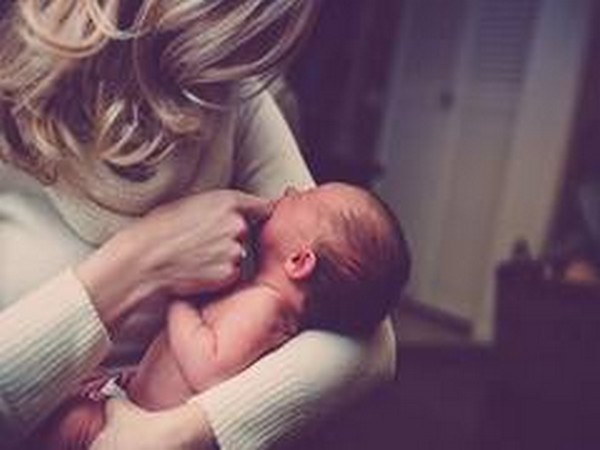
Brisbane [Australia], April 5 (ANI): Women who breastfeed their babies have 25 per cent lower risk of developing ovarian cancer, suggests a new study.
The research also shows the longer a woman breastfeeds, the greater the reduction in risk.The study has been published in the journal JAMA Oncology.
Senior Australian author and head of QIMR Berghofer's Gynaecological Cancers Group, Professor Penelope Webb, said breastfeeding">breastfeeding was associated with a lower risk of developing ovarian cancers, including the most lethal type called high-grade serous tumours.
"Overall, the risk of developing ovarian cancer dropped by 24 percent for women who breastfed, and even those who breastfed their children for three months or less had about an 18 percent lower risk of developing ovarian cancer," Professor Webb said.
"Mothers who breastfed their children for more than 12 months each had a 34 percent lower risk. Importantly, this benefit of breastfeeding">breastfeeding lasted for at least 30 years after a woman stopped breastfeeding">breastfeeding," Webb added.
More than a thousand women died from ovarian cancer in Australia in 2019, accounting for almost five percent of female cancer deaths last year, according to the Australian Institute of Health and Welfare.
Only about 45 percent of women diagnosed with ovarian cancer survive at least five years after their diagnosis.
Professor Webb said the international study involved researchers from the Ovarian Cancer Association Consortium, who examined data from 9973 women with ovarian cancer and 13,843 control women from studies conducted around the world.
"Some past studies have linked breastfeeding">breastfeeding to a reduced risk of ovarian cancer, but others found no association, so we wanted to look at this in a much bigger study to clarify the relationship," she said.
"The study results show a link between breastfeeding">breastfeeding and reduced ovarian cancer rates, and reinforce the World Health Organization's recommendations that mothers should exclusively breastfeed for at least six months if they can and continue doing so, with the addition of complementary foods, for two or more years," she added.
"The research also shows that breastfeeding">breastfeeding for even a short period of time may help reduce cancer risk. This study builds on previous work conducted at the Institute that found that breastfeeding">breastfeeding was also associated with a lower risk of endometrial cancer (cancer of the womb)," Webb further said.
Professor Webb said more research is now needed to identify how breastfeeding">breastfeeding affects cancer risk. (ANI)
Get the App


