

ADD ANI AS A TRUSTED SOURCE
googleads
ANI Logo
Menu
Science

Researchers identify critical brain cells in mice underlying stress-related behaviours

More than 70% of adults will experience at least one traumatic experience, such as a life-threatening illness or accident, violent assault or natural disaster, in their lifetimes and nearly a third will experience four or more, according to global data.

ANI Dec 04, 2022 14:30 IST googleads

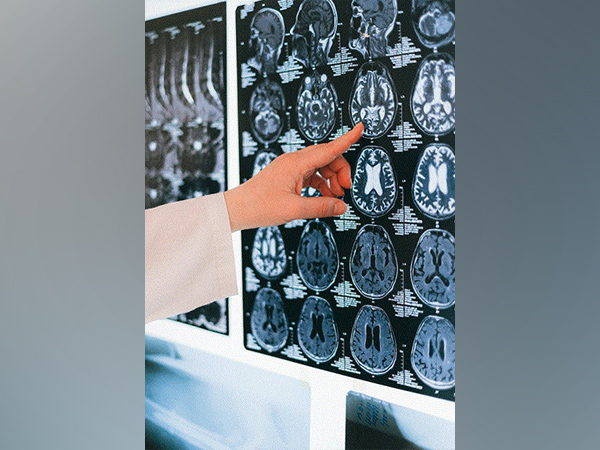
Representative Image

Washington [US], December 4 (ANI): More than 70% of adults will experience at least one traumatic experience, such as a life-threatening illness or accident, violent assault or natural disaster, in their lifetimes and nearly a third will experience four or more, according to global data.
While some people who have suffered trauma fully recover, others struggle to find lasting relief.
New CU Boulder research published this week in the journal Molecular Psychiatry sheds new light on why that may be.
Researchers found that inescapable stressors impact behavior and the brain differently than stressors that can be controlled, contributing to more generalized and enduring anxiety-like behavior. The study, conducted in mice, also implicates a specific type of brain cell, glutamate cells in the "ventral tegmental area (VTA)," as a key player underlying the impact of stressors.
"Understanding how stressful experiences shape our brain is critical in order for us to develop new treatments and therapies that can counteract these changes," said co-senior author Michael Baratta, an assistant professor of behavioral neuroscience at CU Boulder. "This study reveals that a little-known population of cells in the brain's reward center is critical in generating the negative consequences of exposure to stress."
Traumatic experiences, the authors note, can lead to a broad range of negative consequences. Some people experience "associative" responses, meaning that thoughts, feelings or external reminders like people, places or things related to the original trauma can prompt anxiety and fear. For instance, a war veteran might flinch at the sound of a car backfiring or fireworks crackling.
Others experience "non-associative" responses, a general aversion to stimuli -- including those unrelated to the initial trauma. These kinds of responses can permeate many aspects of life and be harder to treat.
Scientists theorize that associative and non-associative responses to stress may be driven by distinct circuits in the brain. But gold-standard treatments like exposure therapy and cognitive behavioral therapy tend to only address associative responses.
To better address trauma-related disorders like post-traumatic stress disorder or PTSD, which impacts 8% of U.S. adults, many believe both circuits must be targeted, said Baratta. (ANI)


Get the App

What to Read Next

Science

New insights into how cancer evades the immune system: Study

New insights into how cancer evades the immune system: Study

Immunotherapy research primarily focuses on better recognition of cancer cells by the body's own immune system. Researchers at Amsterdam UMC and Moffitt Cancer Center have taken a different approach.

Read More
Science

Tool for detecting problems during protein synthesis

Tool for detecting problems during protein synthesis

Protein synthesis in eukaryotic cells--found in plants, animals, and fungi--involves more than just the straightforward ribosome assembly of amino acids.

Read More
Science

When devices can read human emotions without a camera: Study

When devices can read human emotions without a camera: Study

Tokyo Metropolitan University researchers employed long-term skin conductance measurements to distinguish between emotions. Volunteers were given videos representing frightening scenarios, family bonding, and humour, while their skin conductance was measured.

Read More
Science

'Nuroscience study results can be better predicted by AI'

'Nuroscience study results can be better predicted by AI'

Large language models, a type of AI that analyses text, can anticipate the results of proposed neuroscience studies more correctly than human experts, according to a new study led by UCL (University College London) researchers.

Read More
Science

Gut microbes play role in regulating stress responsiveness

Gut microbes play role in regulating stress responsiveness

A groundbreaking study has revealed the critical role of gut bacteria in regulating stress responses through interactions with the body's circadian rhythms.

Read More
Science

Thermal imaging may help fruits, veggies stay fresher longer: Study

Thermal imaging may help fruits, veggies stay fresher longer: Study

Before your favourite produce arrives at the grocery store, it must be carefully harvested and stored for extended periods of time. A recent University of Georgia assessment argues that new temperature sensing devices could make that procedure considerably easier, as agricultural issues are exacerbated by changing climates.

Read More
Science

Study reveals how reminders can eliminate age-related memory loss

Study reveals how reminders can eliminate age-related memory loss

A recent study from UT Arlington showed that setting reminders can reverse some age-related memory deficits. The findings represent a significant breakthrough in tackling the cognitive issues that older persons confront, particularly in the context of prospective memory, which is the ability to remember to complete an intended activity at the appropriate time, such as taking medication or attending appointments.

Read More
Science

Cancer cells of fat may enhance cancer treatment

Cancer cells of fat may enhance cancer treatment

A study by Van Andel Institute scientists suggests that restricting cancer cells' access to fat may enhance the effectiveness of certain cancer treatments.

Read More
Science

Study finds novel approach to treat neurological diseases

Study finds novel approach to treat neurological diseases

The matter of what causes complicated neurological disorders like Alzheimer's or multiple sclerosis continues to perplex scientists and doctors, with unknowns impeding early diagnosis and successful treatment.

Read More
Science

Bacterial vaccine demonstrates potential as cancer treatment

Bacterial vaccine demonstrates potential as cancer treatment

Columbia researchers developed probiotic bacteria that train the immune system to eliminate cancer cells, paving the way for a new class of cancer vaccinations that take advantage of bacteria's innate tumour-targeting abilities. These microbial cancer vaccines can be tailored to each person's specific original tumour and metastases, perhaps preventing future recurrences.

Read More
Home About Us Our Products Advertise Contact Us Terms & Condition Privacy Policy

Copyright © aninews.in | All Rights Reserved.


