

ADD ANI AS A TRUSTED SOURCE
googleads
ANI Logo
Menu
Science

Researchers find new potential treatment for prion diseases

Washington D.C. [USA], Aug 15 (ANI): A novel study has suggested a possible effective treatment strategy for patients suffering from prion disease. The study has been published by Oxford University Press.

ANI Aug 15, 2020 23:48 IST googleads

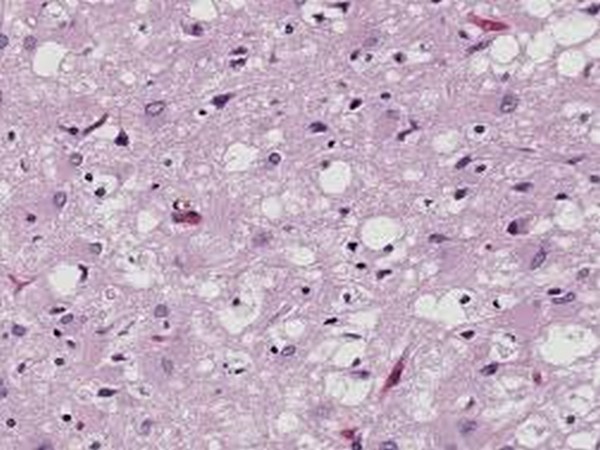
Representative image

Washington D.C. [USA], Aug 15 (ANI): A novel study has suggested a possible effective treatment strategy for patients suffering from prion disease. The study has been published by Oxford University Press.
The result of the new study was published in the journal Nucleic Acids Research. Prion disease is a rapidly fatal and currently untreatable neurodegenerative disease. While prion disease is quite rare, it typically causes rapid neurodegeneration. About 300 cases of prion diseases are reported each year in the United States.
The most common form of prion disease that affects humans is Creutzfeldt-Jakob disease. Bovine spongiform encephalopathy, popularly known as Mad Cow Disease, is another prion disease. Prion diseases are caused by disrupting the structure of a normal human prion protein, producing toxic clumps in the brain. Because prion protein is central to disease, reducing levels of prion protein in patients is a promising therapeutic approach.
Senior author Sonia Vallabh learned that she carried a mutant form of the prion protein gene prior to switching careers to become a patient-scientist and advocate for treatment. She and her coworkers had previously observed that antisense oligonucleotides that reduce levels of the prion protein can extend the survival of animals infected with misfolded prions. While these initial data were promising, many critical questions remained before therapeutic development could be possible.
Research teams led by Vallabh at the Broad Institute of Harvard and MIT, Holly Kordasiewicz at Ionis Pharmaceuticals, and Deb Cabin at McLaughlin Research Institute, report the results of preclinical studies of an antisense therapy against prion disease. In this new work, using an expanded set of prion protein -targeting antisense oligonucleotides, the authors have laid the basis for full-scale clinical development. This research shows that, across multiple treatment paradigms, reducing levels of prion protein in prion-infected lab animals significantly extend their survival.
Researchers here showed that reducing levels of the prion protein can triple the survival of prion-infected animals. Even reducing prion protein levels by a small amount, which should be easier to achieve clinically, resulted in significant survival benefits.
Reduction of prion protein is effective across prion strains and across a battery of different treatment time points. The researchers show that reducing prion protein is effective before any symptoms are seen. They also demonstrate, for the first time, that a single dose of a prion protein -lowering treatment can reverse markers of disease even after toxic clumps have formed in the brain.
"While there are still many steps ahead," said Vallabh, "these data give us optimism that by aiming straight at the genetic heart of prion disease, genetically targeted drugs designed to lower prion protein levels in the brain may prove effective in the clinic." (ANI)


Get the App

What to Read Next

Science

New method guides magnetism without magnets

New method guides magnetism without magnets

Researchers at Paul Scherrer Institute PSI have demonstrated an innovative method to control magnetism in materials using an energy-efficient electric field.

Read More
Science

Amphibians bounce-back from Earth’s greatest mass extinction

Amphibians bounce-back from Earth’s greatest mass extinction

Researchers at the University of Bristol discovered that ancient frog ancestors survived the biggest mass extinction of species by eating on freshwater prey that evaded terrestrial predators.

Read More
Science

New insights into how cancer evades the immune system: Study

New insights into how cancer evades the immune system: Study

Immunotherapy research primarily focuses on better recognition of cancer cells by the body's own immune system. Researchers at Amsterdam UMC and Moffitt Cancer Center have taken a different approach.

Read More
Science

Scientists use AI to better understand nanoparticles: Study

Scientists use AI to better understand nanoparticles: Study

A group of scientists has created a way to illuminate the dynamic behavior of nanoparticles, which are essential components in the production of pharmaceuticals, electronics, and industrial and energy-conversion materials.

Read More
Science

New device could allow you to taste cake in virtual reality

New device could allow you to taste cake in virtual reality

The 'e-Taste' interface employs sensors and wireless chemical dispensers to enable remote taste perception, often known as gestation. Field testing done by researchers at The Ohio State University confirmed the device's ability to digitally simulate a range of taste intensities, while still offering variety and safety for the user.

Read More
Science

Strand Life Sciences launches portal for rare disease diagnosis

Strand Life Sciences launches portal for rare disease diagnosis

Marking Rare Disease Day, Strand Life Sciences, a subsidiary of Reliance Industries and a leading genomics research company, has launched the StrandOmics Portal, an innovative digital platform designed to assist doctors in diagnosing rare diseases more efficiently.

Read More
Science

Study reveals impact of animals as architects of Earth

Study reveals impact of animals as architects of Earth

A new study led by Professor Gemma Harvey from Queen Mary University of London has revealed how hundreds of species shape the landscapes we depend on, from termite mounds visible from space to beavers creating wetlands and hippos carving drainage systems.

Read More
Science

Opposing arrows of time emerge from certain quantum systems

Opposing arrows of time emerge from certain quantum systems

Researchers at the University of Surrey made a thought-provoking discovery. A new study reveals that opposing arrows of time can theoretically emerge from certain quantum systems.

Read More
Science

COVID-19 severity may be predicted by White Blood Cell Count

COVID-19 severity may be predicted by White Blood Cell Count

A COVID-19 diagnosis is no longer as frightening as it used to be, thanks to developments in treatment choices. However, a new study reveals that leukocyte (white blood cell) count may now be used to identify who is more likely to develop more significant disease symptoms.

Read More
Science

Seals can essentially act as 'smart sensors': Study

Seals can essentially act as 'smart sensors': Study

A new study by marine biologists reports that seals can essentially act as 'smart sensors' for monitoring fish populations in the ocean's eerily dim 'twilight zone.'

Read More
Home About Us Our Products Advertise Contact Us Terms & Condition Privacy Policy

Copyright © aninews.in | All Rights Reserved.
