

ADD ANI AS A TRUSTED SOURCE
googleads
ANI Logo
Menu
Science

Researchers find how HIV evades immunity, drugs

Researchers at Duke Health have reported that an immune response that likely evolved to help fight infections appears to be the mechanism that drives human immunodeficiency virus (HIV) into a latent state, lurking in cells only to erupt anew.

ANI Nov 15, 2022 06:42 IST googleads

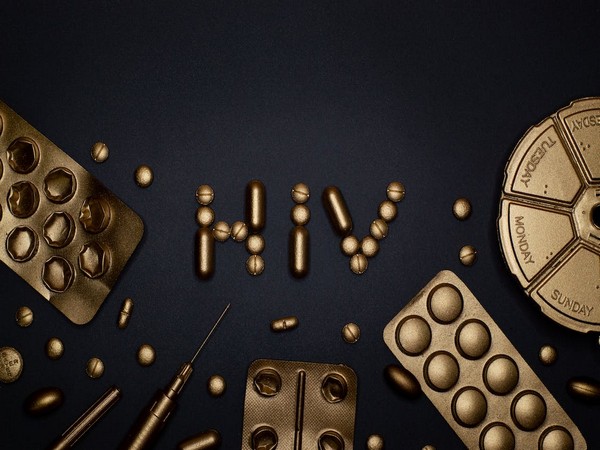
Representative image

Washington [US], November 15 (ANI): Researchers at Duke Health have reported that an immune response that likely evolved to help fight infections appears to be the mechanism that drives human immunodeficiency virus (HIV) into a latent state, lurking in cells only to erupt anew.
Publishing in the journal Nature Microbiology, the research team provides new insights into the vexing process that makes HIV particularly stealthy, but could also play a role in other viral infections.
"HIV has proven to be incurable because of a small number of latently HIV-infected T-cells that are untouched by both antiviral drugs and the immune response," said senior author Bryan R. Cullen, PhD, professor in the Department of Molecular Genetics and Microbiology at Duke University School of Medicine.
"These cells, which are very long-lived, can spontaneously emerge from latency and start producing HIV even years after infection, thus necessitating the life-long use of antiretrovirals," Cullen said. "The origin of these latently infected cells has remained unknown despite considerable effort."
The findings from Cullen and colleagues offer important insights, pointing to a protein complex called SMC5/6, which is involved in a host cell's chromosome function and repair.
HIV enters the body, infects the immune system's CD4+ T-cells, and then makes a genome-length DNA molecule that it integrates into a host cell chromosome where it is then copied to generate viral RNAs and proteins.
If this so-called DNA provirus is prevented from integrating into the host cell DNA, for example by a drug that blocks this process, then it fails to make any viral RNAs and proteins and becomes inert. In contrast, DNA proviruses that are able to integrate are normally able to drive a productive HIV infection.
Cullen and his team found that, in a small number of infected cells, the SMC5/6 protein complex initiates a process that silences the DNA provirus before it integrates into a host cell chromosome. These proviruses remain inert even after integration and result in latent infections, lying low until prompted to erupt into an active infections.
"Our research suggests that latency results not from any intrinsic properties of the infecting HIV but rather from an unfortunate side effect of a cellular innate immune response that probably evolved to silence invasive foreign DNA," Cullen said.
The researchers found that a molecule that shuts down SMC5/6's silencing action showed promising results as a potential therapeutic strategy as it inhibited the establishment of latent HIV infections. Reactivated proviruses are vulnerable to natural immune system responses and anti-retroviral drugs.
"Although antiretroviral therapies can reduce the viral load in AIDS patients to below the level of detection, these drugs fail to eradicate HIV-1," Cullen said. "While there has been considerable effort expended on trying to develop therapies that can activate latent HIV-1 and help antiretroviral therapies clear the body of the infectious virus, this effort has so far failed to identify drugs that are both effective and non-toxic. Our study represents a potentially important step toward achieving this goal."
"Clearly, understanding the mechanism that results in HIV-1 latency may provide insights into how latent HIV-1 proviruses can be reactivated and then destroyed," Cullen said. (ANI)


Get the App

What to Read Next

Science

New insights into how cancer evades the immune system: Study

New insights into how cancer evades the immune system: Study

Immunotherapy research primarily focuses on better recognition of cancer cells by the body's own immune system. Researchers at Amsterdam UMC and Moffitt Cancer Center have taken a different approach.

Read More
Science

Strand Life Sciences launches portal for rare disease diagnosis

Strand Life Sciences launches portal for rare disease diagnosis

Marking Rare Disease Day, Strand Life Sciences, a subsidiary of Reliance Industries and a leading genomics research company, has launched the StrandOmics Portal, an innovative digital platform designed to assist doctors in diagnosing rare diseases more efficiently.

Read More
Science

Discovery of unexpected collagen structure to influence research

Discovery of unexpected collagen structure to influence research

Collagen, the body's most abundant protein, has long been considered a predictable structural component of tissues.

Read More
Science

Shubhanshu Shukla: IAF officer becomes first Indian astronaut for

Shubhanshu Shukla: IAF officer becomes first Indian astronaut for

Shubhanshu Shukla, Indian Air Force (IAF) officer and one of four astronauts for Indian Space Research Organisation's (ISRO) Gaganyaan mission, has been sele Shubhanshu Shukla, Indian Air Force (IAF) officer and one of four astronauts for Indian Space Research Organisation's (ISRO) Gaganyaan mission, has been selected as the pilot for Axiom Mission 4, scheduled for Spring 2025.cted as the pilot for Axiom Mission 4, scheduled for Spring 2025.

Read More
Science

Weather change linked to heightened risk of Salmonella outbreaks

Weather change linked to heightened risk of Salmonella outbreaks

According to new research from the University of Surrey, climate change has an impact on Salmonella spread. This study builds on prior work by the researchers, which discovered that weather change is contributing to the spread of deadly diarrhoeal illnesses.

Read More
Science

Study finds connection between quantum theory, information theory

Study finds connection between quantum theory, information theory

"Our results have no clear or direct application right now. It's basic research that lays the foundation for future technologies in quantum information and quantum computers. There's enormous potential for complete discoveries in many different research fields," said Guilherme B Xavier, a researcher in quantum communication at Linkoping University, Sweden.

Read More
Science

Biomarker may predict response to immunotherapy in liver cancer

Biomarker may predict response to immunotherapy in liver cancer

According to a preclinical study conducted by Weill Cornell Medicine researchers, it may soon be feasible to detect whether individuals with hepatocellular carcinoma, a kind of liver cancer, may benefit from immunotherapy.

Read More
Science

Bacterial vaccine demonstrates potential as cancer treatment

Bacterial vaccine demonstrates potential as cancer treatment

Columbia researchers developed probiotic bacteria that train the immune system to eliminate cancer cells, paving the way for a new class of cancer vaccinations that take advantage of bacteria's innate tumour-targeting abilities. These microbial cancer vaccines can be tailored to each person's specific original tumour and metastases, perhaps preventing future recurrences.

Read More
Science

Alzheimer’s disease can damage brain in two phases

Alzheimer’s disease can damage brain in two phases

Alzheimer's disease may cause brain damage in two stages, according to new research supported by the National Institutes of Health (NIH) that uses sophisticated brain mapping methods.

Read More
Science

Study discovers how special immune cells stop metastatic cancer

Study discovers how special immune cells stop metastatic cancer

The majority of cancer deaths are caused by metastatic disease, which occurs when cancer spreads from the primary tumour to other areas of the body. and researchers understand how cancer cells escape the primary location to seed new tumours, it is unclear why some cancer cells produce new tumours decades later and others do not.

Read More
Home About Us Our Products Advertise Contact Us Terms & Condition Privacy Policy

Copyright © aninews.in | All Rights Reserved.


