

ADD ANI AS A TRUSTED SOURCE
googleads
Menu
Science

Research proposes a new live-attenuated influenza A vaccine approach to degrade viral proteins

Beijing [China], July 4 (ANI): A research team led by Prof. SI Longlong from the Shenzhen Institute of Advanced Technology (SIAT) of the Chinese Academy of Sciences has proposed a new live-attenuated influenza vaccine approach -- generating proteolysis-targeting chimeric (PROTAC) influenza A virus as a live-attenuated vaccine by utilizing the endogenous ubiquitin-proteasome system of host cells to degrade viral proteins.

ANI Jul 04, 2022 23:33 IST googleads

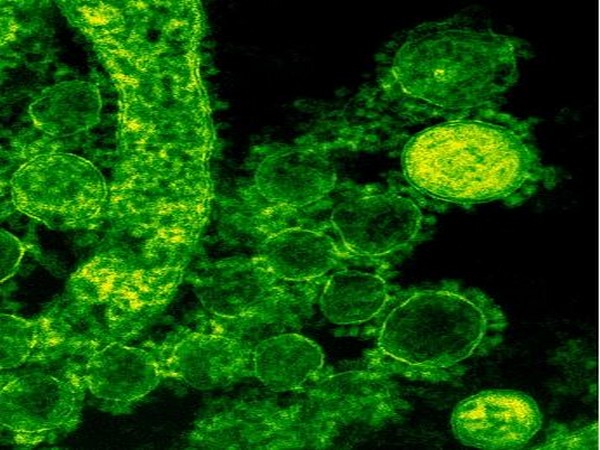
Representative Image

Beijing [China], July 4 (ANI): A research team led by Prof. SI Longlong from the Shenzhen Institute of Advanced Technology (SIAT) of the Chinese Academy of Sciences has proposed a new live-attenuated influenza vaccine approach -- generating proteolysis-targeting chimeric (PROTAC) influenza A virus as a live-attenuated vaccine by utilizing the endogenous ubiquitin-proteasome system of host cells to degrade viral proteins.
However, the usefulness of traditional live-attenuated virus vaccines has often been limited by suboptimal immunogenicity, safety concerns, or cumbersome manufacturing processes and techniques. In addition, immune escape due to rapid viral evolution poses a further challenge for traditional influenza vaccines.
Given that virus replication depends on virally encoded proteins, manipulation of viral protein stability by utilizing the protein degradation machinery of the host cell may represent a potential approach to switch the viral life cycle on and off for vaccine development. Thus, the researchers designed proteolysis-targeting chimeric (PROTAC) viruses by fusing a conditionally removable proteasome-targeting domain (PTD) to influenza viral proteins.
The PTD was designed to contain a proteasome-targeting peptide and a tobacco etch virus cleavage site (TEVcs) linker. It was used to selectively induce proteasomal degradation of viral proteins of interest; however, the TEVcs linker could be selectively cleaved by the tobacco etch virus protease (TEVp) to separate the viral proteins from the PTD, thus sparing them from degradation.
Accordingly, the researchers engineered the genome of influenza A viruses in TEVp-expressing stable cell lines engineered for virus production to introduce the conditionally removable PTD, generating fully infective PROTAC viruses that were live-attenuated by the host protein degradation machinery upon infection.
In mouse and ferret models, PROTAC viruses were sufficiently attenuated but able to elicit robust and broad humoral, mucosal, and cellular immunity. As a result, they provided broad protection against homologous and heterologous virus challenges.
"This PROTAC vaccine technology could also be useful for generating live-attenuated vaccines against other types of pathogens," said Prof. SI. (ANI)


Get the App

What to Read Next

Science

New method guides magnetism without magnets

New method guides magnetism without magnets

Researchers at Paul Scherrer Institute PSI have demonstrated an innovative method to control magnetism in materials using an energy-efficient electric field.

Read More
Science

Amphibians bounce-back from Earth’s greatest mass extinction

Amphibians bounce-back from Earth’s greatest mass extinction

Researchers at the University of Bristol discovered that ancient frog ancestors survived the biggest mass extinction of species by eating on freshwater prey that evaded terrestrial predators.

Read More
Science

New insights into how cancer evades the immune system: Study

New insights into how cancer evades the immune system: Study

Immunotherapy research primarily focuses on better recognition of cancer cells by the body's own immune system. Researchers at Amsterdam UMC and Moffitt Cancer Center have taken a different approach.

Read More
Science

Scientists use AI to better understand nanoparticles: Study

Scientists use AI to better understand nanoparticles: Study

A group of scientists has created a way to illuminate the dynamic behavior of nanoparticles, which are essential components in the production of pharmaceuticals, electronics, and industrial and energy-conversion materials.

Read More
Science

New device could allow you to taste cake in virtual reality

New device could allow you to taste cake in virtual reality

The 'e-Taste' interface employs sensors and wireless chemical dispensers to enable remote taste perception, often known as gestation. Field testing done by researchers at The Ohio State University confirmed the device's ability to digitally simulate a range of taste intensities, while still offering variety and safety for the user.

Read More
Home About Us Our Products Advertise Contact Us Terms & Condition Privacy Policy

Copyright © aninews.in | All Rights Reserved.
