

ADD ANI AS A TRUSTED SOURCE
googleads
Menu
Science

New research on immune responses in patients with kidney failure after receiving different COVID-19 vaccines

Washington [US], November 24 (ANI): Death rates from COVID-19 were really high for people with kidney failure who were on dialysis, which made SARS-CoV-2 vaccination a priority for everyone. Recent research compared the immune responses of patients with as well as without kidney failure, along with immunization with different COVID-19 vaccines.

ANI Nov 24, 2021 17:51 IST googleads

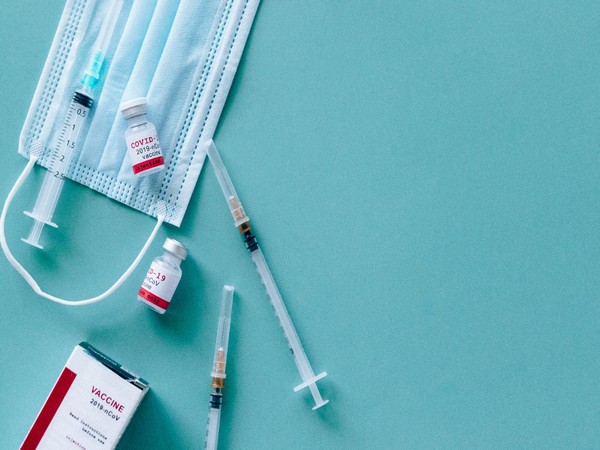
Representative image

Washington [US], November 24 (ANI): Death rates from COVID-19 were really high for people with kidney failure who were on dialysis, which made SARS-CoV-2 vaccination a priority for everyone. Recent research compared the immune responses of patients with as well as without kidney failure, along with immunization with different COVID-19 vaccines.
The research revealed that the individuals on dialysis typically have an impaired response to vaccination. To better understand the predictors and dynamics of their antibody and cellular immune responses to different SARS-CoV-2 vaccines, a team led by An S De Vriese, MD, PhD (AZ Sint-Jan Brugge, in Belgium) prospectively evaluated responses at four or five weeks and again at eight or nine weeks after immunization with the Pfizer-BioNTech (BNT162b2) and Moderna (mRNA-1273) mRNA vaccines in 543 patients on hemodialysis and 75 individuals with normal kidney function.
In the multicenter study, the researchers found an incomplete and delayed antibody response and a blunted cellular immune response to vaccination in patients on hemodialysis. However, responses were substantially stronger with the mRNA-1273 vaccine than with the BNT162b2 vaccine (in both individuals with kidney failure and those with normal kidney function). The researchers believed that this may be due to the higher mRNA dose in the mRNA-1273 vaccine than in the BNT162b2 vaccine.
"These differences in immune response may translate into differences in vaccine effectiveness in vulnerable populations in the long-term when protective immunity is waning and in the battle against the Delta variant," said Dr De Vriese.
In addition, patients on hemodialysis who had prior COVID-19 infection, did not take immunosuppressive drugs, had higher serum albumin levels and lymphocyte counts, had previously responded to hepatitis B vaccination, and were on dialysis for only a short amount of time had higher antibody and cellular immune responses.
"We believe that a high-dose vaccine may be a valid strategy to improve SARS-CoV-2 vaccine effectiveness in hemodialysis patients. The most vulnerable patients--those who are using immunosuppressive drugs, have low serum albumin, a low lymphocyte count, are hepatitis B vaccine non-responders, or have a high dialysis vintage--may be good candidates for a third vaccine dose," said Dr De Vriese. (ANI)


Get the App

What to Read Next

Science

Amphibians bounce-back from Earth’s greatest mass extinction

Amphibians bounce-back from Earth’s greatest mass extinction

Researchers at the University of Bristol discovered that ancient frog ancestors survived the biggest mass extinction of species by eating on freshwater prey that evaded terrestrial predators.

Read More
Science

Scientists use AI to better understand nanoparticles: Study

Scientists use AI to better understand nanoparticles: Study

A group of scientists has created a way to illuminate the dynamic behavior of nanoparticles, which are essential components in the production of pharmaceuticals, electronics, and industrial and energy-conversion materials.

Read More
Science

COVID-19 severity may be predicted by White Blood Cell Count

COVID-19 severity may be predicted by White Blood Cell Count

A COVID-19 diagnosis is no longer as frightening as it used to be, thanks to developments in treatment choices. However, a new study reveals that leukocyte (white blood cell) count may now be used to identify who is more likely to develop more significant disease symptoms.

Read More
Science

New technology enhances gravitational-wave detection: Study

New technology enhances gravitational-wave detection: Study

A team of physicists led by Jonathan Richardson of the University of California, Riverside, demonstrated how new optical technology can extend the detection range of gravitational-wave observatories such as the Laser Interferometer Gravitational-Wave Observatory, or LIGO, and pave the way for future observatories.

Read More
Science

Astronomers find the smallest main-belt asteroids ever detected:

Astronomers find the smallest main-belt asteroids ever detected:

The majority of known asteroids orbit inside the main asteroid belt, which is positioned between Mars and Jupiter at an average distance of around 250 million km from Earth. Since the discovery of the first asteroid in 1801, about 750.000 asteroids have been identified, primarily in the last decade thanks to several optical surveys that examine the sky on clear nights.

Read More
Home About Us Our Products Advertise Contact Us Terms & Condition Privacy Policy

Copyright © aninews.in | All Rights Reserved.


