

ADD ANI AS A TRUSTED SOURCE
googleads
Menu
Science

Native plants regenerate after removal of invasive shrubs, states study

Washington DC [USA], May 12 (ANI): New study has shown that native plants regenerate on their own when invasive shrubs are removed.

ANI May 12, 2019 15:15 IST googleads

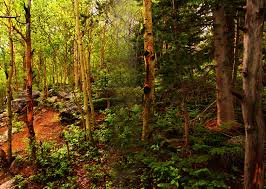
Representative Image

Washington DC [USA], May 12 (ANI): A new study has shown that native plants regenerate on their own when invasive shrubs are removed.
The study was published in the journal 'Invasive Plant Science and Management'.
Invasive shrubs have become increasingly prevalent in the deciduous forests of eastern North America - often creating a dense understory that outcompetes native plants.
Researchers manually removed 18 species of invasive shrubs from five plots in a mature, deciduous forest in the Eastern United States. They cut the shrubs off at the base with hand clippers and treated foliage emerging from stumps and roots with herbicides. Any new seedlings were removed each spring.
Seven years after the initial removal, native plants had regenerated and filled the gap on their own - and they did so to a much greater extent than expected. Researchers found a significant increase in plant diversity and abundance among both native understory species and small trees.
"Natural regeneration in the areas where invasive shrubs had been removed actually exceeded the growth of native cover in unmanaged forest control plots - even those where no invasive shrubs were found," said Erynn Maynard-Bean of Pennsylvania State University.
"The results suggest that invasive shrub removal can make sense, even when active steps to restore the native plant community aren't possible." (ANI)

Get the App

What to Read Next

Science

Discovering the genetics of climate adaptation 

Discovering the genetics of climate adaptation 

As climate change accelerates, plants are under increasing pressure to adapt to changing habitats and environmental conditions.

Read More
Science

Tool for detecting problems during protein synthesis

Tool for detecting problems during protein synthesis

Protein synthesis in eukaryotic cells--found in plants, animals, and fungi--involves more than just the straightforward ribosome assembly of amino acids.

Read More
Science

Study: New imaging method accurately detects kidney cancer

Study: New imaging method accurately detects kidney cancer

A recent study conducted by UCLA Health Jonsson Comprehensive Cancer Center researchers found that new, non-invasive imaging technology can detect clear-cell renal cell carcinoma, the most common kind of kidney cancer.

Read More
Science

Researchers shed light on possible endosymbiosis

Researchers shed light on possible endosymbiosis

Endosymbiosis is a remarkable biological phenomenon in which one creature resides within another. Such an unconventional partnership is usually advantageous to both parties. Even in human bodies, we find evidence of such cohabitation: mitochondria, the cells' powerhouses, originated from an ancient endosymbiosis. Bacteria long ago invaded and colonized other cells. This coexistence created the groundwork for mitochondria, which are found in the cells of plants, animals, and fungi.

Read More
Science

Study finds how cancer develops when immune system fails

 Study finds how cancer develops when immune system fails

It has been suggested that the immune system is unable to eradicate invasive tumour cells by referring to cancer as "a wound that does not heal."

Read More
Home About Us Our Products Advertise Contact Us Terms & Condition Privacy Policy

Copyright © aninews.in | All Rights Reserved.




