

ADD ANI AS A TRUSTED SOURCE
googleads
ANI Logo
Menu
Science

Light at night harmful for amphibians

Washington D.C [USA], June 2 (ANI): While exposure to light at night might be convenient for human beings, it has a harmful effect on the amphibian population, recent findings suggest.

ANI Jun 02, 2019 22:24 IST googleads

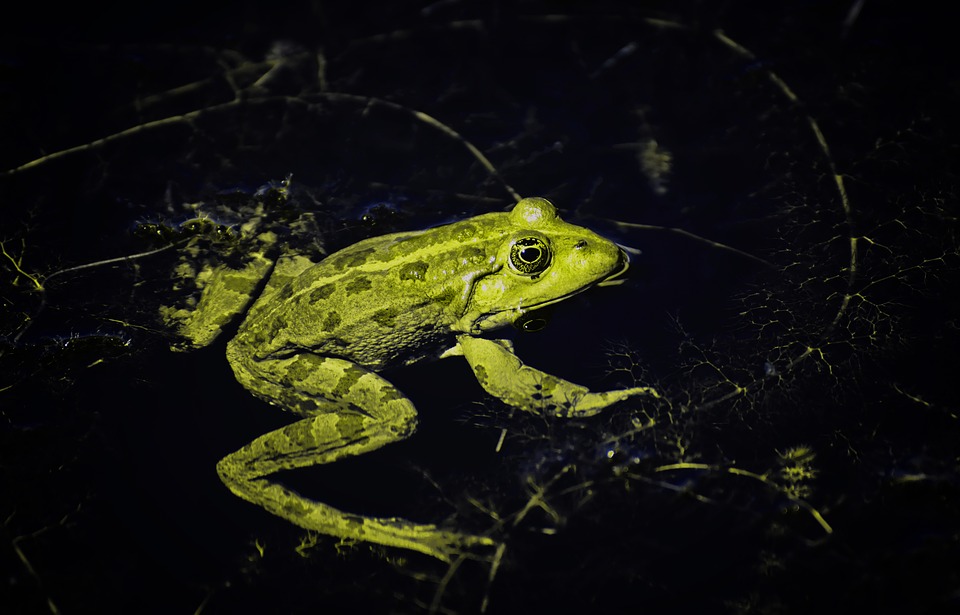
Representative image

Washington D.C. [USA], June 2 (ANI): While exposure to light at night might be convenient for human beings, it has a harmful effect on the amphibian population, recent findings suggest.
According to a recent study, research on the effects of light pollution has recently seen a surge in popularity. It's difficult to find any place on Earth that is not affected by even minimal light pollution. We recognized a gap in the research and realized that not much was known about how light pollution can impact amphibians.
Since amphibians are sensitive to environmental changes, the researchers make models for studying how pollution of any type can impact other species.
As part of the study, a team of researchers exposed wood frogs to a control and two anthropogenic light conditions: intensified daytime illuminance and artificial light at night (ALAN).
They found that both the intensified daytime illuminance treatments and the ALAN treatment decreased hatching success in tadpoles. Tadpoles that were reared in the ALAN treatment, on the other hand, were larger, less active, more sensitive to road salt pollution and had more parasites.
The findings were published in the Journal of Environmental Pollution.
"Overall, I think the main thing we learned from this study is that exposure to light at night has the potential to make amphibians more susceptible to the effects of additional stressors, like road salt and parasites. This is concerning since these are common stressors that many amphibians have to cope with," said Grascen Shidemantle, lead researcher of the study.
The light at night on itself might not have too much of a negative effect on its own, however, since wildlife rarely encounter just one stressor in their natural habitat, the combination of light pollution with additional stressors may have negative impacts on amphibian populations, researchers explained. (ANI)

Get the App

What to Read Next

Science

Amphibians bounce-back from Earth’s greatest mass extinction

Amphibians bounce-back from Earth’s greatest mass extinction

Researchers at the University of Bristol discovered that ancient frog ancestors survived the biggest mass extinction of species by eating on freshwater prey that evaded terrestrial predators.

Read More
Science

Gut microbes play role in regulating stress responsiveness

Gut microbes play role in regulating stress responsiveness

A groundbreaking study has revealed the critical role of gut bacteria in regulating stress responses through interactions with the body's circadian rhythms.

Read More
Science

Alzheimer’s disease can damage brain in two phases

Alzheimer’s disease can damage brain in two phases

Alzheimer's disease may cause brain damage in two stages, according to new research supported by the National Institutes of Health (NIH) that uses sophisticated brain mapping methods.

Read More
Science

Study reveals role of gamma-delta T cells in cancer immunology

Study reveals role of gamma-delta T cells in cancer immunology

The significance of gamma-delta T cells in 33 different cancer types is revealed in a recent study that was published in Cell Press. This information sheds light on the cells' potential as clinical biomarkers and therapeutic targets in the treatment of cancer. This thorough examination, which was carried out under the direction of a group of Moffitt Cancer Center experts, marks a substantial breakthrough in our knowledge of these distinct immune cells and how they affect cancer therapy outcomes for patients.

Read More
Science

Study: New potential treatment for cardiac arrhythmias

Study: New potential treatment for cardiac arrhythmias

A recent study by researchers at the University of Arizona College of Medicine - Phoenix and the University of California Davis Health discovered a new target for developing a medication to treat atrial fibrillation, the most prevalent kind of irregular heart rhythm.

Read More
Science

Study: New imaging method accurately detects kidney cancer

Study: New imaging method accurately detects kidney cancer

A recent study conducted by UCLA Health Jonsson Comprehensive Cancer Center researchers found that new, non-invasive imaging technology can detect clear-cell renal cell carcinoma, the most common kind of kidney cancer.

Read More
Science

Study: Role of tRNA modifying enzyme in brain function

Study: Role of tRNA modifying enzyme in brain function

A pioneering study undertaken by a Kumamoto University research team shed light on the crucial role of TRMT10A, a tRNA methylation enzyme, in sustaining brain function. The findings show how TRMT10A deficiency reduces specific transfer RNA (tRNA) levels in the brain, altering protein synthesis and affecting synapse structure and function.

Read More
Science

Sleep apnea may increase abdominal aortic aneurysms risk

Sleep apnea may increase abdominal aortic aneurysms risk

Obstructive sleep apnea may increase the chance of developing abdominal aortic aneurysms, according to experts from the University of Missouri School of Medicine and NextGen Precision Health.

Read More
Science

'Bone marrow cancer drug shows success in blood disorder'

'Bone marrow cancer drug shows success in blood disorder'

When researchers discovered enough proof that a medication used to treat bone marrow cancer and Kaposi sarcoma is safe and effective in treating hereditary hemorrhagic telangiectasia (HHT), a rare bleeding disorder that affects 1 in 5,000 people worldwide, they decided to terminate an early clinical trial funded by the National Institutes of Health

Read More
Science

More insight into cardiovascular health in early pregnancy

More insight into cardiovascular health in early pregnancy

According to research, maintaining good cardiovascular health during the first trimester of pregnancy may mitigate the genetic risk of developing preeclampsia and/or gestational hypertension.

Read More
Home About Us Our Products Advertise Contact Us Terms & Condition Privacy Policy

Copyright © aninews.in | All Rights Reserved.




