

ADD ANI AS A TRUSTED SOURCE
googleads
ANI Logo
Menu
Science

Land becomes more vulnerable to forest fires after cyclone: Research

Washington [US], October 14 (ANI): The strong winds and torrential rains that accompany a cyclone do tremendous damage to ecosystems, and this damage can make them more prone to future wildfires. As intense cyclones are projected to become more frequent worldwide, a team of researchers examines the links between cyclones and forest fires, how they fuel one another, and why we may see fires burning in unlikely places in the future.

ANI Oct 14, 2022 21:47 IST googleads

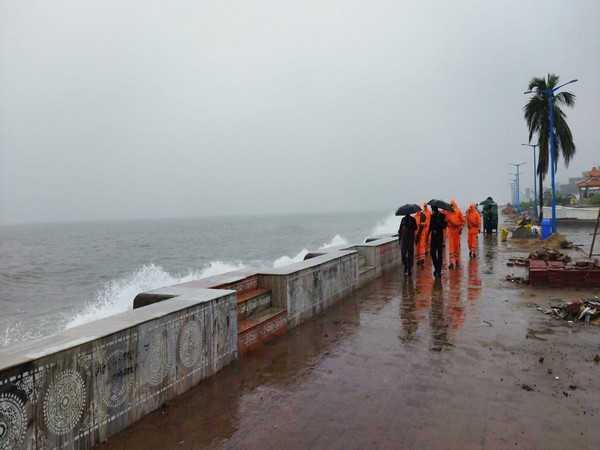
Representative image

Washington [US], October 14 (ANI): The strong winds and torrential rains that accompany a cyclone do tremendous damage to ecosystems, and this damage can make them more prone to future wildfires. As intense cyclones are projected to become more frequent worldwide, a team of researchers examines the links between cyclones and forest fires, how they fuel one another, and why we may see fires burning in unlikely places in the future.
"Rainforests, for instance, are wet by definition, which makes them resistent to fire. But when they are disturbed by cyclones, it can allow fire to spread into those ecosystems. To have a fire, we need three things: fuel to burn, dry enough micro-climate, and a source of ignition," says lead author Thomas Ibanez, a plant ecologist at the French National Research Institute for Sustainable Development working with the University of Montpellier. "Cyclones can affect all three elements."
Cyclones are storms that originate in the South Pacific or Indian Oceans, and like hurricanes in the Atlantic or typhoons in the Nothwestern Pacific, they deliver heavy rains, storm surges, and gale-force winds. Strong cyclones can have winds with speeds well over 200 kilometers per hour, which can damage forests and prime them for forest fires.
"When the wind from a cyclone blows, it damages trees, bringing down a lot of leaves, twigs, branches, and logs to the ground, which make great fuel for future fire," says Ibanez. "Wind also opens the canopy, bringing more light in the undergrowth, which can promote the growth of grasses or bushes that also make good fuel. Also, when the canopy is opened, it makes the undergrowth drier because the canopy usually shades it from the sun and locks in moisture."
Cyclones may also indirectly increase the instances of human-generated ignition by rendering forests promising places to conduct agriculture. "This phenomenon is common where people depend on slash-and-burn agriculture or forest resources for livelihoods," says Ibanez. "After cyclones, damaged forests may be burned to provide ash beds for planting new crops and for easier access to forest resources."
Not only do cyclones make the likelihood of fire greater, but the fires may also change the ways that cyclones affect forests. "Of course, fire cannot directly affect the likelihood of cyclones, because the cyclones originate from oceans, but they can affect the response of the ecosystem to cyclones," says Ibanez. "If you have a fire, it can make the trees weaker to resist cyclone winds or it can kill trees and promote the regrowth of trees that are less resistant to cyclones."
In some regions that have had strong cyclones and fires historically, the events are a natural part of maintaining the land. "In cyclone-prone regions, there are also ecosystems that are adapted to frequent cyclones and fires, and interactions between these disturbances actually maintain original and species-rich ecosystems," says Ibanez. "In these ecosystems, human activities that reduce fire, such as land use change and fire suppression, can threaten the stability of the ecosystem and cause biodiversity loss."
But, as climate change increases the intensity of extreme weather events like cyclones and temperatures continue to rise, the storms are projected to reach locations that they haven't in the past. Ibanez and his colleagues hope they can continue to study cyclone-fire interactions.
"We would like to better understand how this phenomenon varies by location. We could then predict with climate change which places would be more likely to be affected by these changes," he says. "An important component of global change is that ecosystems do not face just one disturbance, but a mix of several disturbances, and the interaction between new disturbances can result in unexpected effects." (ANI)


Get the App

What to Read Next

Science

Amphibians bounce-back from Earth’s greatest mass extinction

Amphibians bounce-back from Earth’s greatest mass extinction

Researchers at the University of Bristol discovered that ancient frog ancestors survived the biggest mass extinction of species by eating on freshwater prey that evaded terrestrial predators.

Read More
Science

Climate change disrupts vital ecosystems in Alps: Study

Climate change disrupts vital ecosystems in Alps: Study

Reduced snow cover and altering vegetation patterns in the Alps, both caused by climate change, are having significant combined effects on biodiversity and ecosystem functioning in the high mountains, according to a new study.

Read More
Science

Rising sea levels may lead to more methane emitted from wetlands

Rising sea levels may lead to more methane emitted from wetlands

Global warming is causing sea levels to rise, which is altering ecosystems. Scientists assumed that the tidal wetlands present in estuaries could create less methane, a strong greenhouse gas because the increased influx of seawater renders these habitats less hospitable to methane-producing microorganisms.

Read More
Science

Study finds novel therapeutic method for cytokine storm

Study finds novel therapeutic method for cytokine storm

Researchers at Osaka University have developed a new therapy technique for cytokine storm, a devastating inflammatory disease caused by an infection or severe burn.

Read More
Science

Insomnia linked to consuming energy drinks among students: Study

Insomnia linked to consuming energy drinks among students: Study

According to the researchers, energy drinks have variable amounts of sugar, vitamins, minerals, and amino acids in addition to an average caffeine concentration of 150 mg per litre.

Read More
Science

Plants' microbiomes are influenced by domestication: Study

Plants' microbiomes are influenced by domestication: Study

According to new research led by the University of Oxford, human crop domestication can affect plant-associated microorganism ecosystems.

Read More
Science

Climate change threatens global forest carbon sequestration

Climate change threatens global forest carbon sequestration

A new analysis of U.S. Forest Service data shows that climate change is changing forests differently across the country. With increasing temperatures, intensifying droughts, wildfires, and disease outbreaks wreaking havoc on trees, researchers warn that forests in the American West are facing the brunt of the repercussions.

Read More
Science

Research shows logging, climate change threaten montane birds

Research shows logging, climate change threaten montane birds

The Indian Institute of Science (IISc) analysed data from over ten years to investigate the effects of forest logging and climate change on bird populations in tropical mountains.

Read More
Science

Logging, climate change threaten montane birds: Research

Logging, climate change threaten montane birds: Research

The Indian Institute of Science (IISc) examined over ten years of data to study the effects of forest logging and climate change on bird groups in tropical mountains.

Read More
Science

Study finds how to evaluate quality of global water models

Study finds how to evaluate quality of global water models

Researchers from IIASA contributed to a new multinational study that examined how well global water models agree with one another and with observational data.

Read More
Home About Us Our Products Advertise Contact Us Terms & Condition Privacy Policy

Copyright © aninews.in | All Rights Reserved.
