

ADD ANI AS A TRUSTED SOURCE
googleads
ANI Logo
Menu
Science

Gene biomarkers indicate liver toxicity quickly, accurately

Washington [US], December 19 (ANI): A research team at the University of Illinois has developed a gene biomarker identification technique that cuts the testing process down to a few days while maintaining a high level of accuracy.

ANI Dec 19, 2020 23:53 IST googleads

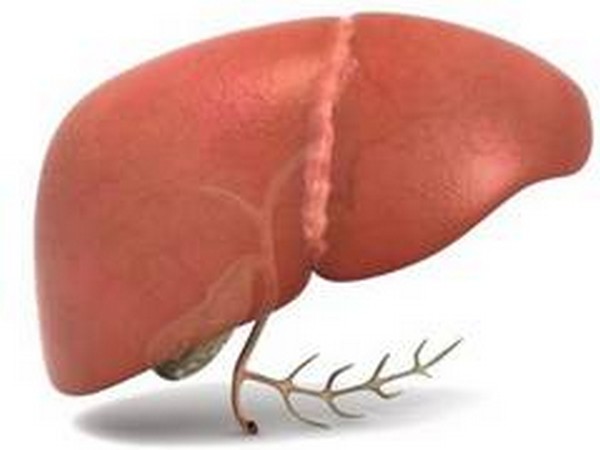
Representative image

Washington [US], December 19 (ANI): A research team at the University of Illinois has developed a gene biomarker identification technique that cuts the testing process down to a few days while maintaining a high level of accuracy.
"The aim of this research was to identify the smallest set of indicators from the liver to predict toxicity and potential liver cancer," said Zeynep Madak-Erdogan, associate professor in the Department of Food Science and Human Nutrition at U of I and a lead author on the study.
"The agrochemical industry has a pipeline where they test new compounds in terms of toxicity-related endpoints. Liver toxicity is one of the most important endpoints, because the liver is the organ that receives the blood supply and cleans it, making it one of the biggest targets in terms of environmental toxic action," Madak-Erdogan said
Normally, companies do this through long-term animal experiments, she adds. They track animals for up to a year to see if they develop liver cancer after exposure to these compounds.
The studies require thousands of mice or rats, and a lot of human time taking care of the animals, collecting samples, and analysing the data.
The study, published in Scientific Reports, identifies a biomarker gene signature that indicates potential liver toxicity just 24 hours after exposure.
Madak-Erdogan and her colleagues analysed information from a large database maintained by the National Institute of Environmental Health Sciences. In collaboration with scientists at the U of I National Center for Supercomputing Applications (NCSA), they used machine learning approaches to identify gene biomarkers in messenger RNA to predict future toxicity.
"From designing new molecules to identifying novel biological targets, machine learning approaches are playing a key role in accelerating drug target identification and validation," said Colleen Bushell, director of NCSA's Healthcare Innovation Program Office and co-author on the study.
While this study is not the first to employ such techniques, it is the most comprehensive, Madak-Erdogan says. The researchers used a large amount of data and multiple machine learning techniques in order to identify the methods that provide the fastest and most accurate results.
"We are assessing the best prediction techniques and finding the best indicators for liver toxicity. Instead of going for months or years, now we can just treat a few mice for 24 hours, collect livers, look at the biomarkers we identified, and predict whether the animal will potentially develop liver cancer or not," she said.
The study's results can be used broadly by toxicologists and other scientists, and can help the agrochemical and pharmaceutical industry improve their testing capabilities.
"Our findings show machine learning approaches are definitely very valuable in analyzing the vast amount of biological data that we create in our research activities. Collaboration between life sciences and computer sciences is very important for this work," Madak-Erdogan said. (ANI)


Get the App

What to Read Next

Science

Biomarker may predict response to immunotherapy in liver cancer

Biomarker may predict response to immunotherapy in liver cancer

According to a preclinical study conducted by Weill Cornell Medicine researchers, it may soon be feasible to detect whether individuals with hepatocellular carcinoma, a kind of liver cancer, may benefit from immunotherapy.

Read More
Science

Study: Connection between gene variants, breast, ovarian cancer

Study: Connection between gene variants, breast, ovarian cancer

Researchers have identified thousands of genetic variants in a gene that could raise an individual's risk of ovarian and breast cancer, opening the door to more accurate risk assessment and individualised treatment.

Read More
Science

New insight into heart failure with preserved ejection fraction

New insight into heart failure with preserved ejection fraction

Recent research showed that increasing the ketone supply to the heart in mice with heart failure with preserved ejection fraction (HFpEF) allowed their hearts to utilise more ketones and produce more energy.

Read More
Science

Researchers discover new approach against fatty liver

Researchers discover new approach against fatty liver

The failure of the liver as a crucial organ is becoming more common due to fatty liver disease, often known as steatotic liver disease or SLD for short. Researchers have now found that a saturated fatty acid in blood vessels causes the synthesis of the signalling molecule SEMA3A, which shuts the blood vessel 'windows.'

Read More
Science

New therapeutic targets to fight against type 2 diabetes

New therapeutic targets to fight against type 2 diabetes

The fact that individuals with type 2 diabetes have elevated fasting glucose levels is among the most perplexing factors for them. This is due to the fact that in these insulin-resistant individuals, the liver produces glucose, a process that still raises many unanswered issues for scientists.

Read More
Science

Study discovers muscle disorder caused by key protein mutations

Study discovers muscle disorder caused by key protein mutations

A new study discovered that the SMCHD1 protein controls how genes are digested, which influences the course of Facioscapulohumeral Muscular Dystrophy (FSHD). This finding about SMCHD1's role in gene regulation is significant because it opens new avenues for creating tailored therapeutic techniques to combat the disease. Scientists can discover new approaches to combat the disease if they learn more about how SMCHD1 functions.

Read More
Science

More insight on ability of cancer drug to lower blood sugar

More insight on ability of cancer drug to lower blood sugar

The efficacy of a medication to prevent liver fat accumulation--a condition that frequently coexists with obesity and can result in dangerous fatty liver disease--has been further explored by researchers at the University of Oklahoma.

Read More
Science

Novel biomarker to diagnose Alzheimer's in asymptomatic stages

Novel biomarker to diagnose Alzheimer's in asymptomatic stages

A novel biomarker for Alzheimer's disease in its asymptomatic phases has been discovered by a recent study headed by the Molecular and Cellular Neurobiotechnology group at the Institute for Bioengineering of Catalonia (IBEC) and the University of Barcelona.

Read More
Science

Liver inflammation linked with poor cancer outcomes

Liver inflammation linked with poor cancer outcomes

Liver inflammation, a typical side effect of malignancies elsewhere in the body, has long been associated with poor cancer outcomes and, more recently, with poor response to immunotherapy. A team of researchers from the University of Pennsylvania's Abramson Cancer Centre and Perelman School of Medicine has now discovered a major cause for this.

Read More
Science

Novel immune cell therapy can fight hepatitis B infections

Novel immune cell therapy can fight hepatitis B infections

Researchers found out how chronic infection with the hepatitis B virus (HBV) causes gradual liver damage, and eradicating the virus remains a daunting challenge.

Read More
Home About Us Our Products Advertise Contact Us Terms & Condition Privacy Policy

Copyright © aninews.in | All Rights Reserved.


