

ADD ANI AS A TRUSTED SOURCE
googleads
ANI Logo
Menu
Science

Cause, cure identified for common type of high blood pressure: Study

One out of every twenty persons with hypertension has a small benign nodule as the root cause. Aldosterone, a hormone that the nodule generates, regulates the body's salt levels. A gene mutation found in some of these nodules that causes a significant, sporadic overproduction of the hormone is the new finding.

ANI Jun 11, 2023 21:52 IST googleads

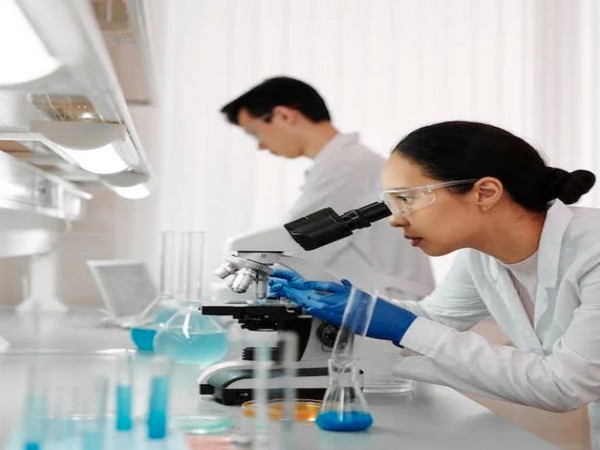
Representative Image

London [UK], June 11 (ANI): One out of every twenty persons with hypertension has a small benign nodule as the root cause. Aldosterone, a hormone that the nodule generates, regulates the body's salt levels. A gene mutation found in some of these nodules that causes a significant, sporadic overproduction of the hormone is the new finding.
Today's gene variation was found to have a number of issues, which makes it challenging for clinicians to correctly diagnose certain people with hypertension. First, the variation interferes with the ability of cells in the body to communicate with one another and signal when to cease producing aldosterone by affecting a protein called CADM1. Doctors also have a problem with aldosterone's erratic secretion throughout the day, which at its peak contributes to hypertension and salt excess. Unless they take blood tests at multiple times of the day, persons with the gene mutation might avoid detection due to this variability.
The researchers also learned that unilateral adrenalectomy, or the removal of just one of the two adrenal glands, might treat this particular kind of hypertension. After removal, severe hypertension that had been resistant to several pharmacological treatments vanished, and after numerous years of monitoring later, no further therapy was necessary.
Fewer than 1 per cent of people with hypertension caused by aldosterone are identified because aldosterone is not routinely measured as a possible cause. The researchers are recommending that aldosterone is measured through a 24-hour urine test rather than one-off blood measurements, which will discover more people living with hypertension but going undiagnosed.
The initial patient in this study was detected when doctors noticed fluctuation in his hormone levels during his participation in a clinical trial of treatments for difficult hypertension.
In most people with hypertension, the cause is unknown, and the condition requires life-long treatment by drugs. Previous research by the group at Queen Mary discovered that in 5-10 per cent of people with hypertension the cause is a gene mutation in the adrenal glands, which results in excessive amounts of aldosterone being produced. Aldosterone causes salt to be retained in the body, driving up the blood pressure. Patients with excessive aldosterone levels in the blood are resistant to treatment with the commonly used drugs for hypertension, and at increased risk of heart attacks and strokes.
Professor Morris Brown, co-senior author of the study and Professor of Endocrine Hypertension at Queen Mary University of London, said: "
"In the 900th anniversary of Barts Hospital, this story illustrates benefits from the virtuous circle of Science and Medicine. Most patients consent to our undertaking non-routine molecular analyses of their surgical samples, from which we discover how their hypertension was caused, and how to cure it in future patients. Because the aldosterone nodules in this study were so small, we are now investigating whether momentary cauterisation of the nodule is an alternative to surgical removal of the whole adrenal gland." (ANI)


Get the App

What to Read Next

Science

COVID-19 severity may be predicted by White Blood Cell Count

COVID-19 severity may be predicted by White Blood Cell Count

A COVID-19 diagnosis is no longer as frightening as it used to be, thanks to developments in treatment choices. However, a new study reveals that leukocyte (white blood cell) count may now be used to identify who is more likely to develop more significant disease symptoms.

Read More
Science

Discovering the genetics of climate adaptation 

Discovering the genetics of climate adaptation 

As climate change accelerates, plants are under increasing pressure to adapt to changing habitats and environmental conditions.

Read More
Science

Cancer cells of fat may enhance cancer treatment

Cancer cells of fat may enhance cancer treatment

A study by Van Andel Institute scientists suggests that restricting cancer cells' access to fat may enhance the effectiveness of certain cancer treatments.

Read More
Science

Study finds novel approach to treat neurological diseases

Study finds novel approach to treat neurological diseases

The matter of what causes complicated neurological disorders like Alzheimer's or multiple sclerosis continues to perplex scientists and doctors, with unknowns impeding early diagnosis and successful treatment.

Read More
Science

Alternate method to study changes during DNA replication process

Alternate method to study changes during DNA replication process

Researchers at Colorado State University discovered an alternative way for studying alterations during the DNA replication process in lab settings using genetically modified yeast. The novel methodology provides a clearer picture than current pharmacological methods for understanding cell cycle arrest, a fundamental mechanism critical to cancer treatment and genetic concerns.

Read More
Science

Surrogacy linked with higher risk of severe pregnancy results

Surrogacy linked with higher risk of severe pregnancy results

According to new research, individuals who are gestational carriers (also known as "surrogates") may be more susceptible to severe complications during pregnancy and the early postpartum period, hypertension during pregnancy, and postpartum hemorrhage than those who conceive naturally or through IVF.

Read More
Science

'Bone marrow cancer drug shows success in blood disorder'

'Bone marrow cancer drug shows success in blood disorder'

When researchers discovered enough proof that a medication used to treat bone marrow cancer and Kaposi sarcoma is safe and effective in treating hereditary hemorrhagic telangiectasia (HHT), a rare bleeding disorder that affects 1 in 5,000 people worldwide, they decided to terminate an early clinical trial funded by the National Institutes of Health

Read More
Science

More insight into cardiovascular health in early pregnancy

More insight into cardiovascular health in early pregnancy

According to research, maintaining good cardiovascular health during the first trimester of pregnancy may mitigate the genetic risk of developing preeclampsia and/or gestational hypertension.

Read More
Science

Blood stem cell could transform bone marrow transplants

Blood stem cell could transform bone marrow transplants

Researchers in Melbourne have achieved a first for the world: they have successfully created blood stem cells that closely resemble human tissue. Additionally, the discovery may eventually result in customized therapies for kids suffering from bone marrow failure syndromes and leukaemia.

Read More
Science

Study finds new source of cardiac inflammation

Study finds new source of cardiac inflammation

Globally, ischemic heart disease is the leading cause of death. A myocardial infarction (MI), commonly referred to as a "heart attack," is the first event in which insufficient coronary blood flow results in the death of a portion of the heart. Heart failure, heart wall remodelling, and severe inflammation result from this.

Read More
Home About Us Our Products Advertise Contact Us Terms & Condition Privacy Policy

Copyright © aninews.in | All Rights Reserved.


