Tamil Nadu govt moves Supreme Court against Governor for not clearing pending bills
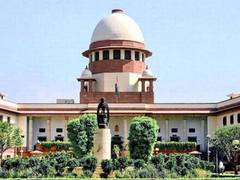
The Tamil Nadu Government has moved the Supreme Court urging to issue direction to the Governor to clear the bills and various files forwarded by the Tamil Nadu Legislative Assembly and Government which are pending with his office within a specified timeframe.
ANI
Oct 31, 2023 12:11 IST

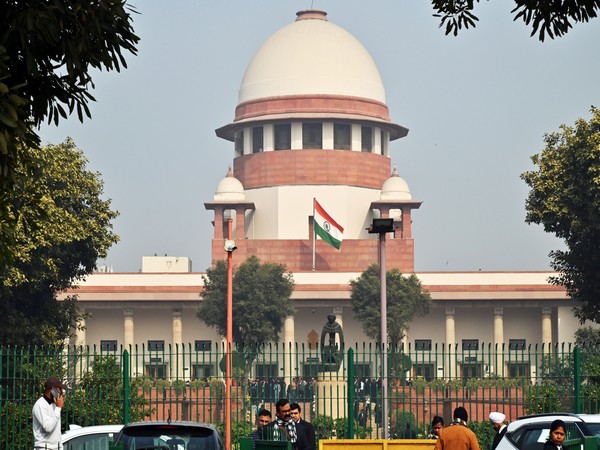
New Delhi [India], October 31 (ANI): The Tamil Nadu Government has moved the Supreme Court urging it to issue direction to the Governor to clear the bills and various files forwarded by the Tamil Nadu Legislative Assembly and Government which are pending with his office within a specified timeframe.
In the petition, the Tamil Nadu Government has sought to direct the Governor to dispose of all the Bills, files and Government orders forwarded by the Tamil Nadu Legislative Assembly and Government which are pending with his office within a specified timeframe.
The petition has been filed through an advocate on record Sabarish Subramanian.
The petition sought to declare that the inaction, omission, delay and failure to comply with the constitutional mandate by the Governor of Tamil Nadu/ first Respondent qua the consideration and assent of the Bills passed and forwarded by the Tamil Nadu State Legislature to him and the non-consideration of files, Government orders and policies forwarded by the State Government for his signature is unconstitutional, illegal, arbitrary, unreasonable besides malafide exercise of power.
The Governor by not "signing remission orders, day to day files, appointment orders, approving recruitment orders, granting approval to prosecute Ministers, MLAs involved in corruption including transfer of investigation to CBI by Supreme Court, Bills passed by Tamil Nadu Legislative Assembly" is bringing the entire administration to a grinding halt and creating adversarial attitude by not cooperating with the State administration, Tamil Nadu government said.
Thereby the state government sought to issue directions to stipulate the outer time limit for the 1st Respondent governor to consider Bills passed by the Legislature and sent for assent qua Article-200 of the Constitution in light of the recommendations of the Sarkaria Commission.
"The refusal to act on the aid and advice of the Council of Ministers or deliberate inaction in acting on the Bills or on the files on the part of the Governor including any delay, will defeat the parliamentary democracy and the will of the people and consequently violates the basic structure of the Constitution," the petition said.
The state government said that the current Writ Petition addresses the specific issue that the Government and Legislative Assembly of Tamil Nadu are facing amendments or changes as he thinks appropriate. "If, on such reconsideration, the Bill is passed again, with or without amendments, and is presented to the Governor for assent, he has to accord his assent. The second proviso says that if in the opinion of the Governor, any Bill presented to him derogates the powers of the High Court so as to endanger the position that the High Court is designed to fill by the Constitution, he is bound to reserve the Bill for the consideration of the President," the petition said.
Tamil Nadu Government said that by denying sanction when the investigative authorities have found prima facie evidence of corruption and have asked for permission to prosecute, the first respondent governor is engaging in politically motivated conduct. This includes the CBI inquiry that this Court has approved and that the Madras High Court ordered.
The Governor's inactions have caused a constitutional deadlock between the Constitutional Head of the State and the Elected Government of the State and by not acting upon their Constitutional functions, the Governor is toying away with the citizen's mandate, the state government said.
Hence, the state government has sought to issue appropriate directions laying down guidelines stipulating the outer time limit for the 1st Respondent to consider Bills passed by the Legislature and sent for assent qua Article-200 of the Constitution in light of the recommendations of the Sarkaria Commission.
It also sought to issue directions laying down guidelines stipulating the outer time limit for the 1st Respondent to consider files, policies, and Government orders sent for signature in the discharge of his constitutional functions. (ANI)
Get the App