Snail-transmitted rare condition a threat to children, finds study by Kochi hospital
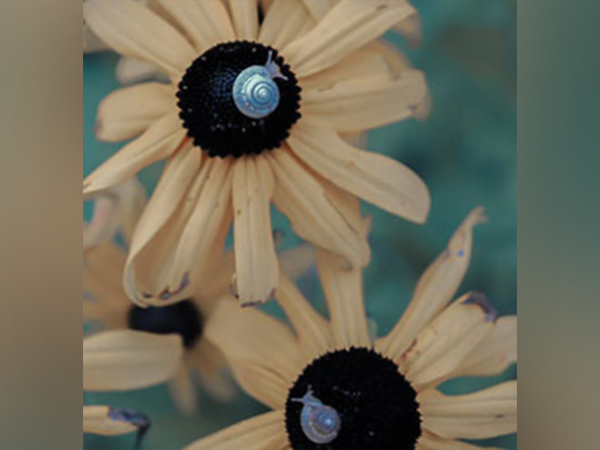
Children become vulnerable to this infection by coming into direct contact with snails or by consuming contaminated food or playing with toys that carry infective larvae.
ANI
Feb 23, 2024 21:13 IST

Kochi (Kerala) [India], February 23 (ANI): A private hospital in Kochi has unveiled the findings of a 14-year study and highlighted the prevalence of the snail-transmitted medical condition which can lead to death or permanent brain and nerve damage in children.
The medical condition called Eosinophilic Meningoencephalitis (EM) is rare and is prevalent among children in South India.
The study establishes a significant association between snail exposure and eosinophilic meningitis and reveals that more than half of the examined children had a history of direct contact with snails.
This extensive study, spanning from 2008 to 2021, has resulted in one of the most comprehensive case series of EM in children globally, offering crucial insights into this potentially life-threatening condition.
Children become vulnerable to this infection by coming into direct contact with snails or by consuming contaminated food or playing with toys that carry infective larvae.
The larvae can then travel from the gut to the brain, causing Eosinophilic Meningoencephalitis.
Another route of transmission is by consuming salads containing uncleaned raw vegetables and by eating the raw flesh of monitor lizards, crabs, frogs, and shrimps as part of socio-cultural practices or particular culinary habits.
The symptoms of EM closely resemble those of regular meningitis, such as high-grade fever, lethargy, irritability, sensitivity to light and sound, vomiting, or altered consciousness, but the key difference is that EM doesn't improve with the usual antibiotics used for meningitis.
Dr K P Vinayan and his dedicated team in the Department of Pediatric Neurology have meticulously examined the clinical patterns of Eosinophilic Meningoencephalitis (EM) in children, shedding light on a significant health concern affecting the region.
Eosinophilic Meningoencephalitis is a medical condition characterized by inflammation of the brain and its surrounding tissues. The inflammation is associated with eosinophils, a type of white blood cell.
This condition is often linked to parasitic infections, notably the rat lungworm Angiostrongylus cantonensis, a parasitic worm commonly found in snails.
To diagnose the condition, a lumbar puncture is performed to check for the presence of eosinophils in the cerebrospinal fluid (CSF). The diagnosis involves a simple bedside procedure termed lumbar puncture to confirm eosinophils in the CSF, emphasizing the absence of specific tests to identify the parasitic agent in India.
Prof Vinayan, Head of the Department of Paediatric Neurology at Amrita Hospital, Kochi, said, "We are now picking up a higher number of EM among children in this region, especially since the last decade. Most of these children were initially treated as bacterial, viral, or tuberculous meningitis sometimes for several weeks. A high index of clinical suspicion with appropriate investigations will be the key to early identification, especially in endemic areas."
"These infections, potentially serious and capable of causing death or permanent brain and nerve damage, are more prevalent among children playing in dirt and soil in snail-infested areas. Ensuring cleanliness and hygiene in residential premises and properly cleaning vegetables consumed raw, such as in salads, are essential preventive measures," he said.
The study findings, published, in the Pediatric Neurology, a journal of international repute, underscore the urgency for healthcare professionals, parents, and policymakers to address this emerging threat.
Humans are incidental hosts of these worms, getting infected through direct consumption of contaminated water and vegetables.
"In a paradigm shift, our study reveals that Eosinophilic Meningoencephalitis (EM) is not as rare as previously thought, particularly in Kerala during post-monsoon months. The increase aligns with the surge in giant African Snail (Achatina fulica) population over the past 1-2 decades, highlighting the heightened risk for children living in regions abundant with these snails," added Dr Vaishakh Anand, Department of Paediatric Neurology, Amrita Hospital, Kochi.
The study found that the affected children, with a median age of 3.9 years (ranging from 8 to 17 years), commonly showed symptoms such as fever, headache, irritability, squint, and early papilledema.
These symptoms appeared 3 to 42 days before admission. Peripheral eosinophilia, ranging from 9 per cent to 41 per cent, was observed.
Among the 24 children who underwent brain magnetic resonance imaging (MRI), 62.5 per cent had normal results, 8.3 per cent showed leptomeningeal enhancement, and 29.1 per cent exhibited nonspecific changes.
All children recovered without neurological deficits, following a standard treatment regimen of albendazole and oral steroids.
The follow-up period ranged from one month to five years, with no reported recurrences, showing that timely identification and proper management might result in really good outcomes.
Healthcare experts urge communities, healthcare providers, and policymakers to intensify efforts in raising awareness about the risks associated with Snail-Related Eosinophilic Meningoencephalitis.
They stress the importance of vigilant observation of symptoms, prompt diagnosis, and immediate initiation of treatment to prevent complications. Public health campaigns focusing on hygiene, especially in areas with a high incidence of giant African snails, are deemed crucial.
Additionally, experts recommend incorporating educational programs in schools to teach children about the potential risks and preventive measures associated with snail exposure. (ANI)
Get the App