India resets maritime security: CISF to standardise protection across all ports, command on all 80 EXIM ports
The move marks a major leap toward standardising port protection and strengthening India's port-led growth and Blue Economy ambitions-- a key engine of economic expansion. There are over 250 ports across the country, including 80 EXIM ports - specialised seaports to handle the movement of goods meant for export from or import into a country. EXIM ports facilitate international trade by providing customs clearance, cargo handling, storage, and logistics services for goods entering or leaving the country.
ANI
Nov 21, 2025 17:29 IST

New Delhi [India], November 21 (ANI): In a landmark overhaul of India's maritime security framework, the Central government has designated the Central Industrial Security Force (CISF) as the Recognised Security Organisation (RSO), formally placing the force in command of security at all 80 EXIM (export-import) ports across the country.
The move marks a major leap toward standardising port protection and strengthening India's port-led growth and Blue Economy ambitions-- a key engine of economic expansion. There are over 250 ports across the country, including 80 EXIM ports specialised seaports to handle the movement of goods meant for export from or import into a country. EXIM ports facilitate international trade by providing customs clearance, cargo handling, storage, and logistics services for goods entering or leaving the country.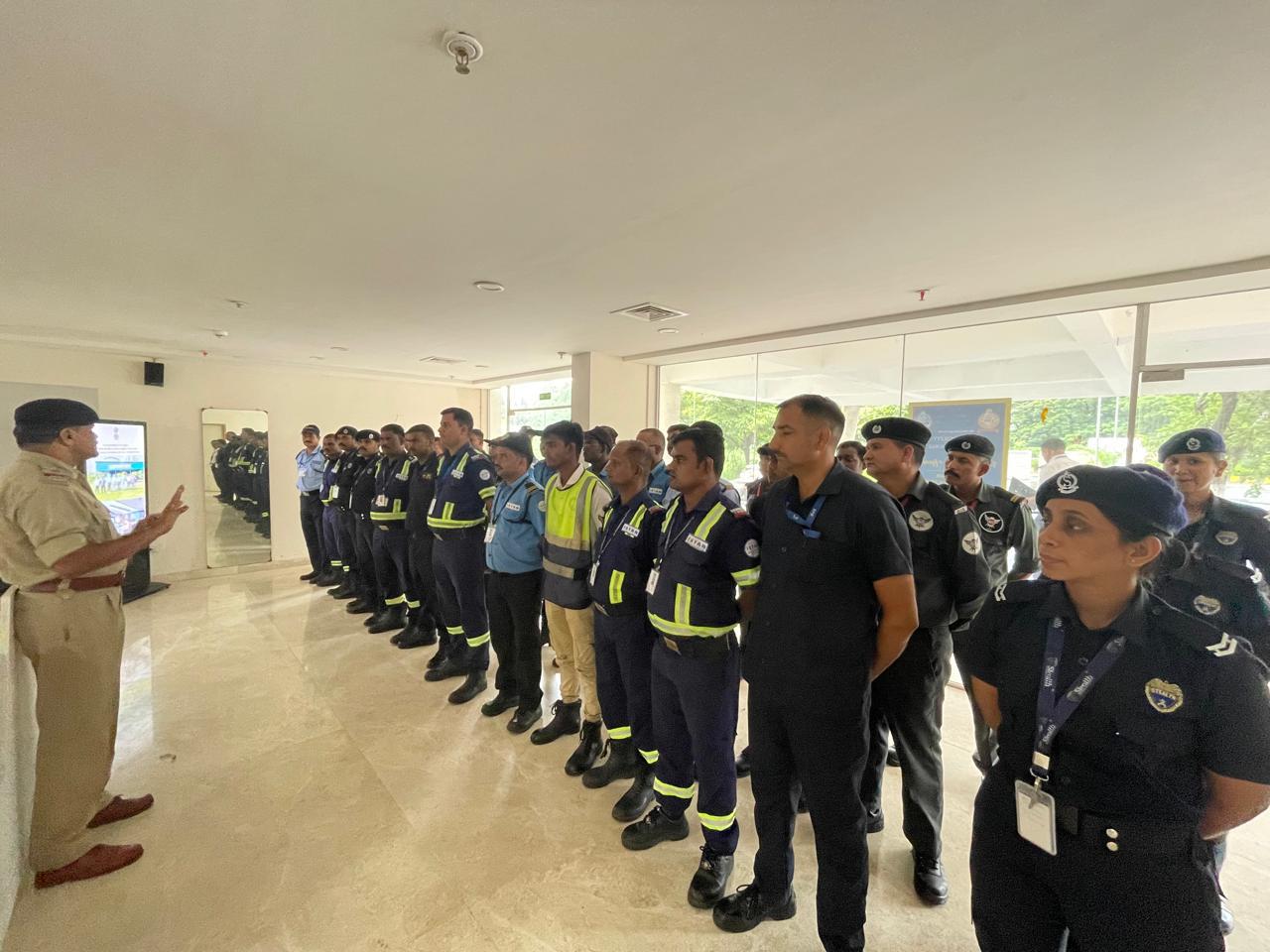
The step is taken under the International Ship and Port Facility Security (ISPS) Code in a major push to strengthen India's maritime security framework for ports.
The decision follows the recommendations of a joint CISF-DG Shipping committee set up in September 2024 to examine port security gaps and propose corrective measures.
According to an order issued by the Ministry of Ports, Shipping and Waterways, the CISF will now undertake fresh Port Facility Security Assessments (PFSA) and prepare Port Facility Security Plans (PFSP) for all 80 EXIM (Export-Import) ports across the country. These ports form India's critical trade gateways, handling customs clearance, cargo movement, logistics and storage for international shipments.
Senior CISF officials said the initiative will address "longstanding gaps due to non-standardised security arrangements at non-major ports" and ensure expert oversight by a dedicated security agency across the entire EXIM network.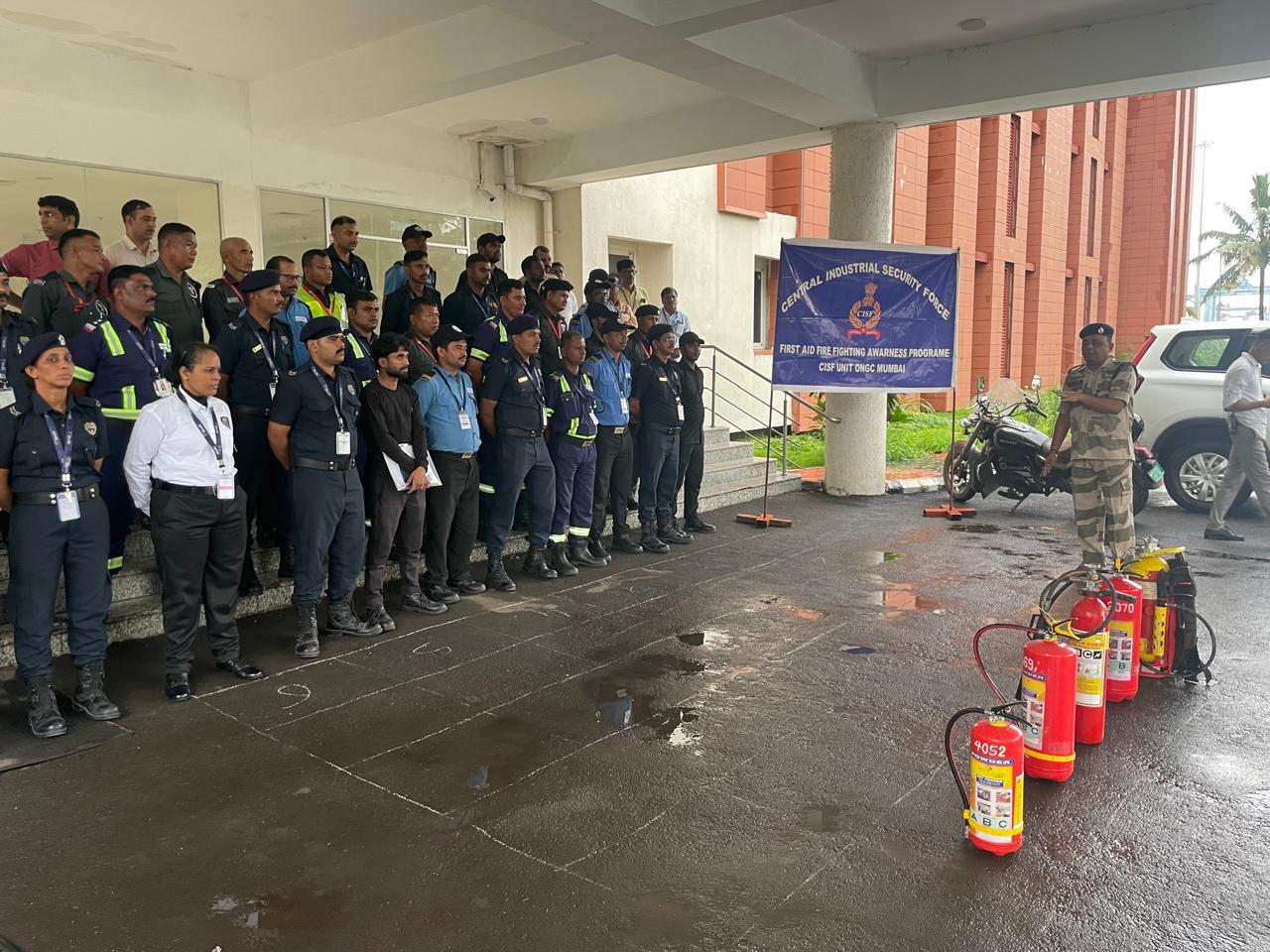
Following the joint committee's detailed review, a hybrid security model has also been proposed. Under this framework, the CISF will handle core security functions, while non-core duties--including traffic regulation, gate operations and ancillary tasks--may be undertaken by state police, State Industrial Security Forces or private security agencies.
"This layered approach will improve accountability, efficiency and uniformity in port security, in line with MHA's July 2023 security guidelines for non-major ports," an official said.
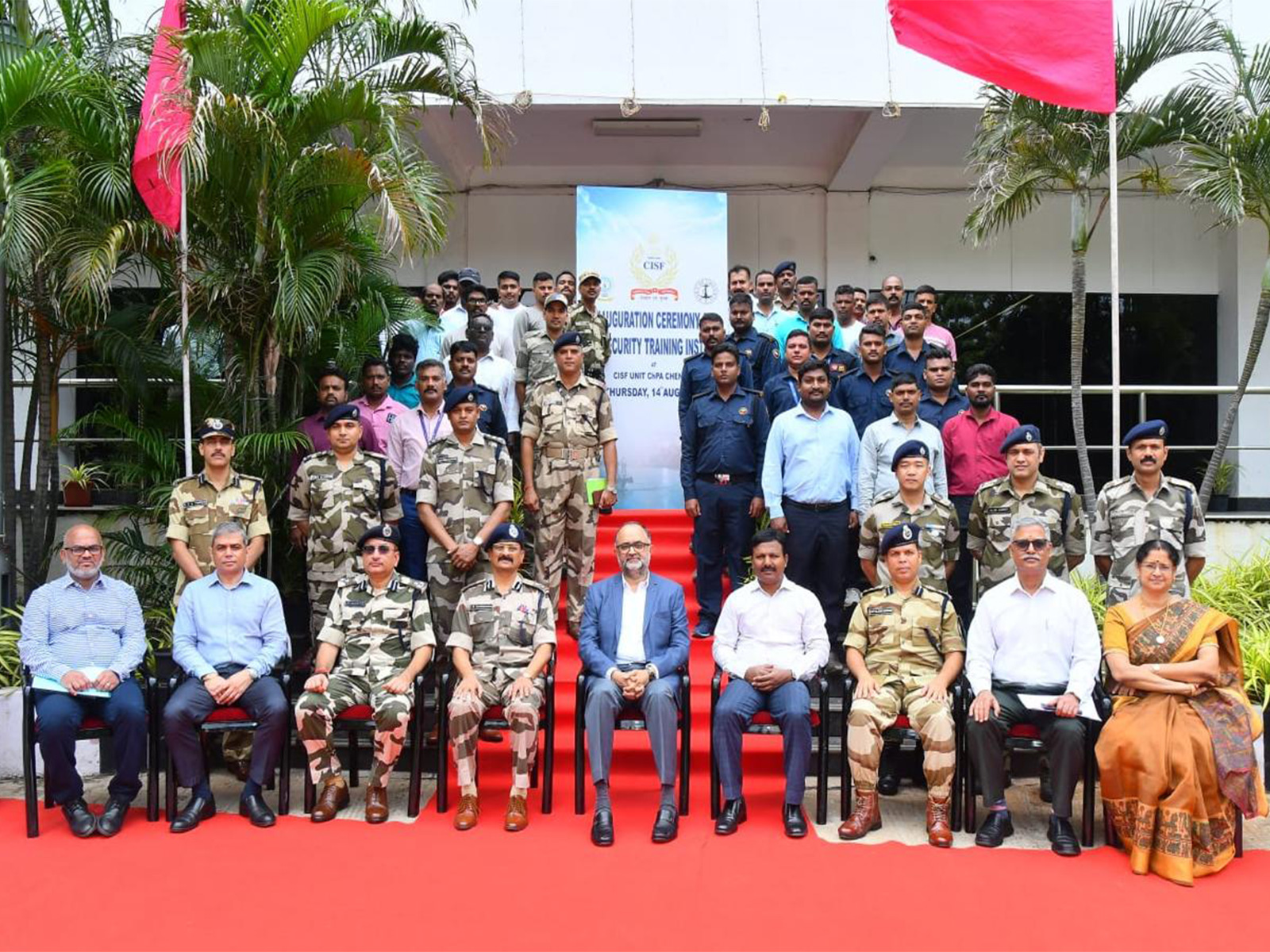
To ensure uniform quality, a mandatory training regime, to be delivered by CISF experts will be introduced for all private security personnel deployed at EXIM ports. The training standards will follow the aviation security model, where certification is required before deployment. A detailed curriculum has already been jointly developed by CISF and DG Shipping, with pilot training sessions at JNPA Mumbai and CHPA Chennai receiving positive feedback.
The ports currently under CISF security cover include: Chennai Port (Tamil Nadu), Cochin Port (Kerala), Kamarajar Port at Ennore (Tamil Nadu), Haldia Dock Complex (West Bengal), JNPT Sheva (Maharashtra), Syama Prasad Mookerjee Port Kolkata (West Bengal), Deendayal Port Kandla (Gujarat), Mormugao Port (Goa), Mumbai Port (Maharashtra), New Mangalore Port (Karnataka), Port Blair (Andaman & Nicobar Islands), Paradip Port (Odisha), V.O. Chidambaranar Port Trust, Tuticorin (Tamil Nadu), and Visakhapatnam Port (Andhra Pradesh).
To institutionalise capacity-building, the government also plans to establish a dedicated Port Security Training Institute (PSTI) for specialised training, standardised certification and creation of a skilled security workforce for the maritime ecosystem.
Ports remain a key pillar of India's logistics and trade infrastructure, crucial for economic competitiveness and global connectivity. The broadening of CISF's mandate, through regulatory, assessment, planning and training responsibilities signals a new era in India's port security architecture.
The comprehensive measures, including hybrid deployment, uniform training and expert-led assessments, are expected to create secure, efficient and future-ready EXIM gateways, supporting India's economic growth and expanding maritime footprint. (ANI)
Get the App