IIT Mandi study warns of cancer-causing pollutants in Himachal's Baddi-Barotiwala groundwater
In India, the majority of extracted groundwater is used for agriculture and domestic consumption. However, rapid urbanisation, industrialisation, and population growth have led to increased groundwater use and a decline in its quality. Northern India has faced severe water quality issues.
ANI
Jun 13, 2024 16:49 IST


Mandi (Himachal Pradesh) [India], June 13 (ANI): Researchers from the Indian Institute of Technology Mandi and Jammu revealed the presence of cancer-causing pollutants in the groundwater of Himachal Pradesh's Baddi-Barotiwala (BB) industrial area.
The comprehensive study employed chemical hydrology techniques to analyze groundwater samples and identify sources of contamination and associated health risks.
The research revealed significant health risks posed by contaminated groundwater, due to geogenic uranium and industrial pollutants such as zinc, lead, cobalt, nickel, and chromium.
In India, the majority of extracted groundwater is used for agriculture and domestic consumption. However, rapid urbanisation, industrialisation, and population growth have led to increased groundwater use and a decline in its quality. Northern India has faced severe water quality issues.
Similar issues are evident in Himachal Pradesh's BB industrial area, where industrialisation has contaminated groundwater with toxic metals, exceeding permissible limits. The reliance on untreated groundwater has caused numerous health problems, including significant reports of cancer and renal disease between 2013 and 2018.
Dr Deepak Swami, Associate Professor, School of Civil and Environmental Engineering, IIT Mandi, along with his research scholar Mr Utsav Rajput, in collaboration with Dr Nitin Joshi, Assistant Professor, Dept of Civil Engineering, IIT Jammu, have published a research paper in the prestigious journal, Science of the Total Environment, that investigates the chemical hydrology of groundwater in the region, identifying dominant ion sources and measuring the geospatial variation of toxic metal concentrations.
By determining potential contamination sources, the study evaluated non-carcinogenic and carcinogenic health risks from oral intake of contaminated groundwater using the United States Environmental Protection Agency (USEPA) human health risk assessment model for both adults and children. The researchers identified key metals of concern and prepared geospatial maps showing metal contamination and health risks across village boundaries.
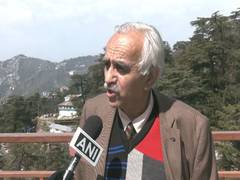
Speaking about the research, Dr Deepak Swami, Associate Professor, School of Civil and Environmental Engineering, IIT Mandi, said, "Groundwater poses high health risks through oral intake, necessitating urgent remediation. Monitoring industrial effluents for zinc, lead, nickel, and chromium is essential to prevent health hazards. Policies must be framed to balance industrial development with public health for sustainable growth."
The study found that the region's groundwater is rock-dominated, mainly of the calcium carbonate type. Uniform uranium levels were detected in all samples, with most metals traced to industrial sources, while uranium and molybdenum were naturally occurring. The human health risk assessment revealed high non-carcinogenic risks for both adults and children, primarily due to natural uranium, with additional risks from industrial sources of zinc, lead, cobalt, and barium. Carcinogenic risks were high for adults, mainly from industrial nickel and chromium.
Dr Nitin Joshi, Assistant Professor, at IIT Jammu, spoke about the research and said, "Our research group conducted a field study to map the pollution status in the industrial region of Baddi-Barotwala. The objective was to analyze the chemical composition of the groundwater, which is considered readily potable by the nearby communities. The analysis revealed that, if left unattended, the lower Himalayan region is on a similar trajectory to southwestern Punjab".
The study highlighted the need for improved effluent treatment to reduce these risks. Geospatial maps were created to show metal contamination and health risks, helping residents understand the situation and identify pollution sources. These maps can guide future policies and remediation efforts.
Considering that over 80 per cent of health issues in developing countries are linked to waterborne diseases, resulting in 1.5 million deaths annually from poor water quality and hygiene, this study serves as the cornerstone response to the widespread issue of toxic arsenic and fluoride in groundwater across India. (ANI)
Get the App