 हिंदी खबर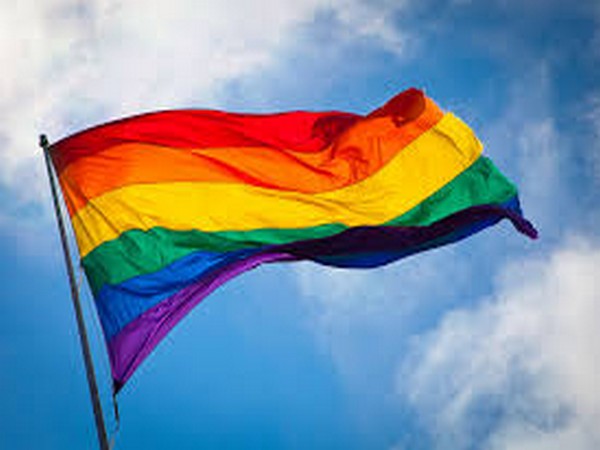

New York [USA], June 2 (ANI): Middle-aged and older adults, who identify as homosexual or bisexual, have higher rates of using certain substances in the past year than those who identify as heterosexual, suggests a new study.
The study was led by researchers at NYU Grossman School of Medicine and the Center for Drug Use and HIV/HCV Research (CDUHR) at NYU School of Global Public Health. The study is published in the Journal of General Internal Medicine.
These findings are consistent with prior studies showing that LGBTQ adolescents and young adults are more likely to use a range of substances compared to their heterosexual counterparts.
Such use may be attributed to minority stressors, including discrimination, oppression, and stigma. However, further research is needed into the likely complex causes of such disparities, including the roles that stigma, discrimination, and prejudice play in substance use, especially among older adults.
"Our research confirms that a higher prevalence of substance use among lesbian, gay, and bisexual adults can continue into later life," said Benjamin Han, MD, MPH, the study's lead author and an assistant professor in the Department of Medicine's Division of Geriatric Medicine and Palliative Care and the Department of Population Health at NYU Langone Health.
"Similar to LGBTQ adolescents and young adults, such prevalence may be related to stressors like discrimination and stigma based on sexual orientation in addition to stressors related to ageing, including social isolation and age-related stigma," added Han.
The study used data from the National Survey on Drug Use and Health, an annual survey of a representative sample of individuals in the United States, which asks questions about sexual identity, including if individuals identify as lesbian, gay, or bisexual.
Using surveys from 2015 through 2017, the researchers focused on data from adults ages 50 and older to determine their past-year use of cannabis, alcohol, cocaine, and methamphetamine, as well as non-medical use of prescription opioids, sedatives (such as sleep medications), stimulants, and tranquillisers (such as anti-anxiety medications, including benzodiazepines).
Researchers then compared the prevalence of past-year substance use among adults in the cohort identifying as lesbian, gay, or bisexual to those identifying as heterosexual. The sample included 25,880 participants with 2.5 per cent identifying as lesbian, gay, or bisexual.
The researchers found that middle-aged and older adults identifying as lesbian, gay, or bisexual were more likely to use various substances studied than were heterosexual adults.
Specifically, older sexual minority adults were more than twice as likely to use cannabis nonmedically (13.9 per cent vs. 5.5 per cent), twice as likely to use prescription tranquillizers nonmedically (3.6 per cent vs. 1.1 per cent), and more likely to use prescription opioids nonmedically (4.7 per cent vs. 2.3 per cent) than were older heterosexual adults.
"These findings should inform prevention and harm reduction efforts in this community and should not be used to stigmatize such individuals. We hope that this new research, published during Pride Month, will remind people about the stressors many people still face in 2020 based on their sexual orientation," said CDUHR researcher Joseph Palamar, PhD, MPH, the study's senior author and an associate professor in the Department of Population Health at NYU Langone Health.
"Even though times are changing and things have been getting better for the LGBTQ community, older individuals in this population may still be affected from past experiences of intolerance," added Palamar.
Substance use adds complexity to caring for older adults, who are undergoing physical changes, are more likely to have chronic diseases, and may take more prescription medications as they age--which can interact with such substances and lead to adverse events.
"These age-related changes place older adults at increased vulnerability to the harms of substance use," said Han, who is also a CDUHR researcher.
"This is even more true for vulnerable populations who experience stigma, like those identifying as lesbian, gay, or bisexual, and may already experience a range of health disparities and have barriers to accessing health care," added Han.
The researchers emphasize that the goal of this research is not to further stigmatize but to draw attention to the needs of communities who have been underserved.
They recommend the use of both patient-centred and public health approaches to prevent or reduce any potential harms associated with unhealthy substance use among older lesbian, gay, and bisexual adults. (ANI)


