ADD ANI AS A TRUSTED SOURCE
googleads
Menu
Quirky

How to improve care for patients with disabilities?

Washington D.C. [USA], June 10 (ANI): We often relate to people who are like us and find it easy to seek care from them.

ANI Jun 10, 2019 19:51 IST googleads

A diverse clinician workforce that matches the diversity in the general population is needed.

Washington D.C. [USA], June 10 (ANI): We often relate to people who are like us and find it easy to seek care from them.
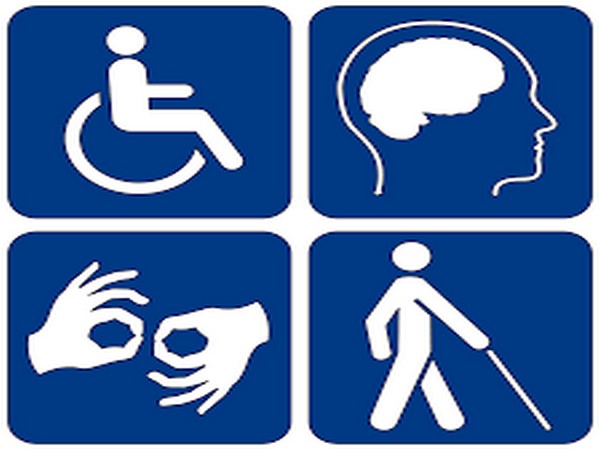
A recently published editorial has claimed that to meet the preferences from patients with disabilities and improve quality of care, a diverse clinician workforce that matches the diversity in the general population is needed.
However, when it comes to patients with disabilities, the chance of getting a clinician "like them" is extremely low, which may lead to patients' reluctance to seek care or follow prescribed interventions and treatments.
Bonnielin Swenor, associate professor of ophthalmology at the Johns Hopkins Wilmer Eye Institute and associate professor of epidemiology at the Johns Hopkins Bloomberg School of Public Health, is working to solve this disparity.
Living with low vision herself, Swenor experiences difficulties in many aspects of her life, but devotes her time to researching how to help patients like herself, and assuring those patients that there are ways to overcome the hardships and pursue their goals.
In the editorial published in the 'New England Journal of Medicine,' Swenor and Lisa Meeks, a collaborator from University of Michigan Medical School, addressed barriers to an inclusive workforce and propose a roadmap to guide academic medical institutions toward creating a work environment more inclusive for people with disabilities.
"Although more institutions are embracing diversity and inclusion, people with disabilities still face barriers in pursuing and getting support in their careers," said Swenor.
"We are providing employers with recommendations to enhance the inclusion of persons with disabilities in these settings."
Swenor and Meeks recommended that academic medical centres include in their diversity efforts people with disabilities, develop centralised ways to pay for accommodations that might be required and other actions that would encourage more students with disabilities to pursue careers in medicine. (ANI)

Get the App

What to Read Next

Quirky

Exciting the brain might be key to boosting maths learning: Study

Exciting the brain might be key to boosting maths learning: Study

According to a new study from the Universities of Surrey and Oxford, Loughborough University, and Radboud University in the Netherlands, activating a brain region with electrical noise stimulation may improve mathematical learning in those who struggle with the subject.

Read More
Parenting

Helping teens to feel competent can improve their grades

Helping teens to feel competent can improve their grades

According to recent research, encouraging adolescents to feel capable and purposeful - rather than just happy - could boost their academic results as well as their mental health.

Read More
Others

Flexible, friendly workplace culture makes for better remote work

Flexible, friendly workplace culture makes for better remote work

The pandemic forced many people to work from home, but it wasn't always a pleasant situation. Remote work has numerous advantages, including more flexibility, inclusion for parents and people with disabilities, and work-life balance. It can, however, cause issues with teamwork, communication, and the overall work environment.

Read More
Fitness

Doses of oral semaglutide improve blood sugar, weight loss: Study

Doses of oral semaglutide improve blood sugar, weight loss: Study

Diabetes is a chronic condition that makes it difficult to regulate blood sugar levels. For many people, the condition worsens with time, making it harder to control blood sugar levels. Semaglutide is one example of a GLP-1 receptor agonist that has given patients more control over blood sugar lowering.

Read More
Others

Facility dogs in children's hospitals benefit patients, staff

Facility dogs in children's hospitals benefit patients, staff

The most profound impacts of HFDs were observed in terminal care and patient cooperation, with 73% of respondents reporting that HFDs were "very often" or "always" beneficial in providing palliative care during the terminal phase.

Read More
Home About Us Our Products Advertise Contact Us Terms & Condition Privacy Policy

Copyright © aninews.in | All Rights Reserved.