Half of parents report butting heads with child's grandparents over parenting: Study
Washington D.C. [USA], August 17 (ANI): Clashes over parenting choices and enforcing parents' rules can cause major strife between a child's parents and grandparents, a national poll suggests.
ANI
Aug 17, 2020 14:48 IST

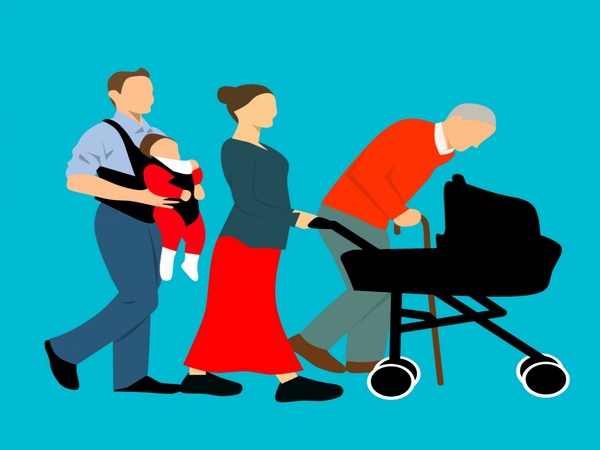
Washington D.C. [USA], August 17 (ANI): Clashes over parenting choices and enforcing parents' rules can cause major strife between a child's parents and grandparents, a national poll suggests.
Nearly half of parents describe disagreements with one or more grandparent about their parenting, with one in seven going so far as to limit the amount of time their child sees certain grandparents, finds the C.S. Mott Children's Hospital National Poll on Children's Health at Michigan Medicine.
Disputes most commonly involve discipline (57%), meals (44%), and TV/screen time (36%.) Other thorny subjects: manners, safety and health, bedtime, treating some grandchildren differently than others and sharing photos or information on social media.
"Grandparents play a special role in children's lives and can be an important resource for parents through support, advice and babysitting. But they may have different ideas about the best way to raise the child and that can cause tension," says Mott Poll co-director Sarah aClrk.
"If grandparents contradict or interfere with parenting choices, it can have a serious strain on the relationship."
The nationally representative survey is based on 2,016 responses from parents of children ages 18 and under.
Discipline was the biggest source of contention. Among parents who report major or minor disagreements, 40% say grandparents are too soft on the child, and 14% say grandparents are too tough.
Nearly half of parents say disagreements arise from grandparents being both too lenient and overly harsh.
"Parents may feel that their parental authority is undermined when grandparents are too lenient in allowing children to do things that are against family rules, or when grandparents are too strict in forbidding children to do things that parents have okayed," Clark says.
Some disagreements may stem from intergenerational differences, Clark says. For example, grandparents may insist that "the way we used to do things" is the correct way to parent. New research and recommendations on child health and safety may also lead to disagreements if grandparents refuse to put babies to sleep on their back or do not use a booster seat when driving grandchildren to preschool.
In many cases, parents have tried to get grandparents to be more respectful of their parenting choices and household rules. These requests have mixed results: while about half of grandparents made a noticeable change in their behaviour to be more consistent with how parents do things, 17% outright objected.
"Whether grandparents cooperated with a request or not was strongly linked to parents' description of disagreements as major or minor," Clark says. "The bigger the conflict, the less likely grandparents were to budge."
Parents who said that grandparents refused such a request were also more likely to put limits on the amount of time their child spent with them.
"Parents who reported major disagreements with grandparents were also likely to feel that the conflicts had a negative impact on the relationship between the child and the grandparent," Clark says.
"These findings indicate that grandparents should strive to understand and comply with parent requests to be more consistent with parenting choices - not only to support parents in the difficult job of raising children but to avoid escalating the conflict to the point that they risk losing special time with grandchildren." (ANI)
Tags:
Get the App