Fertility patients have lower uneasiness levels than pregnant ladies during COVID-19: Study
Tokyo [Japan], March 14 (ANI): An online study published in the Journal of Affective Disorders Reports found that pregnant women had higher levels of anxiety compared to fertility patients during the Covid pandemic.
ANI
Mar 14, 2021 20:01 IST

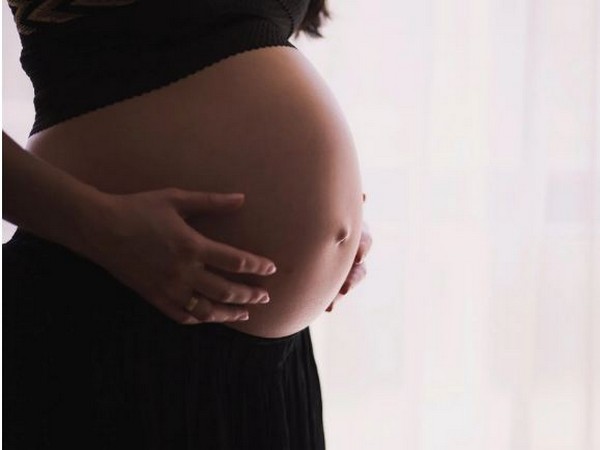
Tokyo [Japan], March 14 (ANI): An online study published in the Journal of Affective Disorders Reports found that pregnant women had higher levels of anxiety compared to fertility patients during the Covid pandemic.
"The pandemic has changed the social environments of pregnant women and fertility patients," says Tohoku University clinical psychologist Koubon Wakashima.
For example, restrictions in Japan meant that pregnant women have been unable to participate in group parenting classes or travel to their parents' homes to receive traditional childbirth assistance. Medical institutions in the country reported fewer women accessing infertility treatments.
Wakashima and colleagues at Tohoku University, Hokkaido University and the National Foundation of Brief Therapy posted a survey on several pregnancy and fertility websites towards the end of May and the beginning of June 2020. Almost 300 pregnant women and 13 women undergoing fertility treatment responded to a Japanese version of the Fear of COVID-19 Scale, originally developed by Iranian researchers.
Analyses of the surveys revealed that pregnant women in Japan had higher levels of anxiety compared to fertility patients. Their anxiety levels were associated with increased stockpiling and monitoring of their own health. Pregnant women who considered social networking services an important information source expressed lower levels of anxiety compared to those who preferred newspapers and TV.
Finally, the researchers compared the results of their survey to a similar one done in Iran and found that pregnant Japanese women demonstrated higher levels of anxiety compared to pregnant Iranian women.
The scientists acknowledge that their study has several limitations regarding, for example, the ability to assess strict causal relationships between anxiety and various coping behaviours, and a lack of detailed information on the media content the women were accessing.
Nevertheless, they suggest the results indicate the importance of improving communications that can help pregnant women cope with feelings of anxiety in addition to relaying information on infection prevention.
The team next aims to analyse how fear of COVID-19 varies by occupation and by time of year. They also plan to investigate how one person's fears impact other family members. (ANI)
Get the App