 हिंदी खबर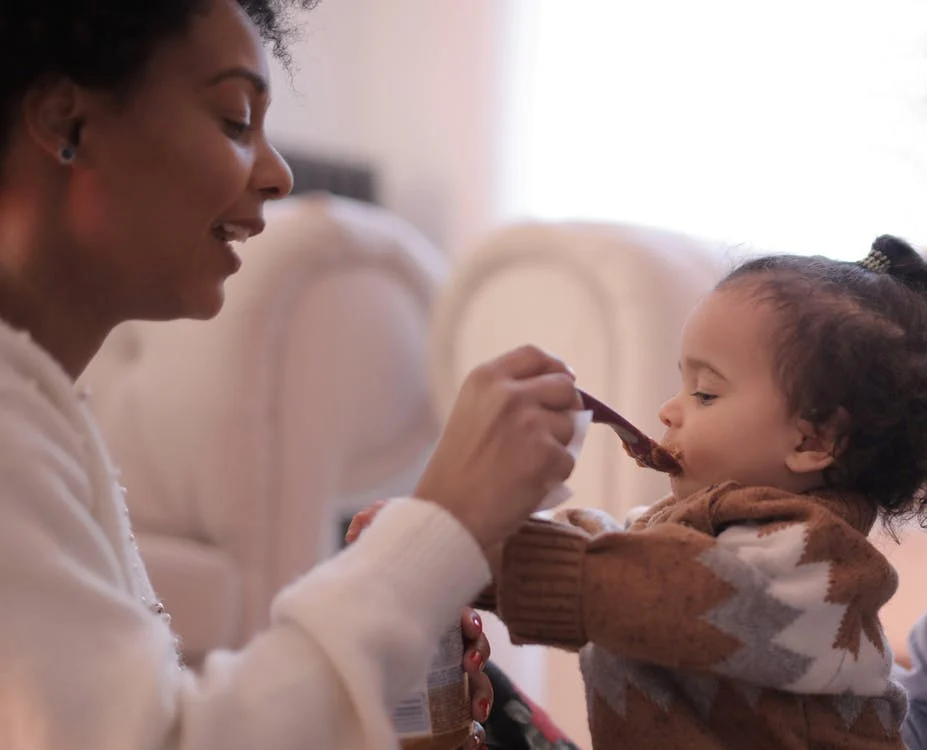

Aston St (Birmingham) [UK], April 13 (ANI): New research has explained how much of children's emotional eating is explained by the way mothers use food as part of their parenting practices as well as the children's own attitude to food more generally.
The findings of the study were published in the journal, 'Journal of the Academy of Nutrition and Dietetics.'
Children pick up lots of behaviours by copying their parents - and this is true of their eating habits as well.
The aim of the new research was to see how much of children's emotional eating is explained by the way mothers use food as part of their parenting practices as well as the children's own attitudes to food more generally.
'Emotional eating' is when we turn to food, such as cakes, chocolate and snacks, not because we're hungry but to compensate for when we're feeling sad, low or anxious.
The survey included questions for mothers about how much they and their children ate in response to emotional states. It also asked about how much children were motivated by food and driven to eat or ask for food throughout the day, which is known as 'food approach' behaviour.
Stone also asked mothers about the feeding practices that they used with their children - in particular about whether they used food to reward children for good behaviour, or visibly restricted their child's access to foods, for example having foods in the house but forbidding them.
These practices have been shown to make children more interested in food and have also been linked to greater emotional eating in children.
When Stone analysed the responses, she found that children who were very motivated by food were more likely to pick up emotional eating behaviour from their parents.
The stone used a complex statistical method, known as moderated mediation analysis, to decipher how the different aspects of the relationship interacted: emotional eating in the mother, how she parented the child around food, the child's food approach tendencies and emotional eating.
Professor Claire Farrow, who was one of Stone's PhD supervisors at Aston University, said, "This study demonstrates that the way that children develop eating behaviours is very complex and that emotional eating appears to be shaped in part by an innate drive towards food. In this study, we found that parenting practices interact with children's eating tendencies and that children who are the most driven to approach food are the most influenced by feeding practices that can lead to emotional eating. These findings suggest that a 'one size fits all approach to child feeding isn't always appropriate and that some children are more susceptible to the influence of behaviours that can lead to emotional eating."
Stone agreed, "Our findings suggest that children who were more motivated to eat were more predisposed to associate food with emotions. Our research supports the idea that emotional eating is a learned behaviour which children often develop in pre-school years, but that some children are more vulnerable to developing emotional eating than others"
Although common amongst parents, the research also highlights that using food as a reward or visibly restricting the child's access to certain foods - even in children as young as three - can be problematic. Giving a piece of chocolate as a reward or telling children they can only have one biscuit as a 'treat' is likely to create an emotional response in the child which they then connect to those foods.
Stone concluded, "The research suggests that restricting food in front of children who are already more motivated by food tends to backfire and makes children crave restricted foods even more. What seems to work best is known as 'covert restriction' - not letting children know that some foods are restricted (for example, not buying foods that you do not want your child to eat) and avoiding instances where you have to tell children that they are not allowed certain foods." (ANI)




