 हिंदी खबर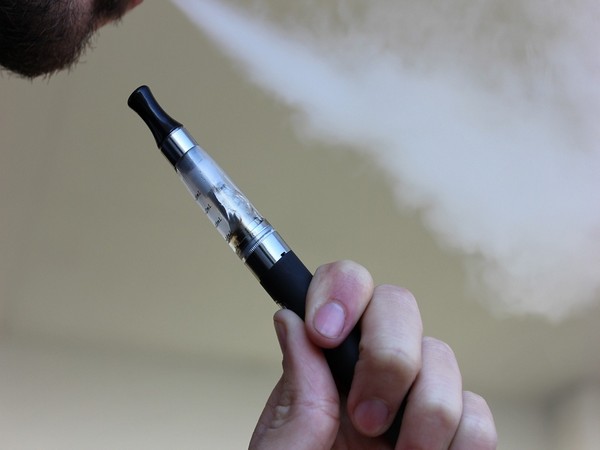

California [US], October 5 (ANI): Most parents know or suspect when their child smokes, but they are much more likely to be in the dark if the child vapes or uses other tobacco products, according to a large national study.
Led by researchers at the University of California San Francisco, the study was published in the journal Pediatrics.
The study, which tracked more than 23,000 participants aged 12 to 17 years old, found that parents or guardians were substantially less likely to report knowing or suspecting that their child had used tobacco if the child used only e-cigarettes, non-cigarette combustible products or smokeless tobacco, compared to smoking cigarettes or using multiple tobacco products.
The researchers also found that when parents set strong household rules about not using tobacco - applying to all residents - their children were less likely to start tobacco use. Just talking to kids about not smoking was far less effective. The study publishes at 9:01 p.m. PT, Oct. 4, 2020, in Pediatrics.
"We know that tobacco-free homes are a key tool to help prevent smoking by kids," said corresponding and senior author Benjamin Chaffee, DDS, MPH, PhD, an associate professor at the UCSF School of Dentistry. "What studies haven't examined is how tobacco-free homes stack up against other approaches and how much tobacco-free home rules might help with other tobacco products beyond smoking."
"Tobacco use by children is troubling, and dentists, like all healthcare providers, should be concerned about preventing youth tobacco use," Chaffee said.
Over the last decade, the smoking landscape has dramatically changed, especially among youth, for whom cigarette smoking has declined while the use of electronic cigarettes soared. Last year, the Centers for Disease Control and Prevention reported that more than 1 in 4 high school students was vaping.
The new study used data from the Population Assessment of Tobacco and Health (PATH) Study to investigate parental awareness of youth tobacco use and the role of household tobacco rules in preventing smoking. In addition to cigarettes and e-cigarettes, the study looked at non-cigarette combustible products (including cigars, pipes, hookahs, and bidis), and smokeless tobacco (including snuff, chewing tobacco, snus, and dissolvable tobacco).
It found that parents were more likely to know or suspect that their child was using a tobacco or nicotine product if the child was older, male, identified as white, and lived with a tobacco user, as well as if the parents were less educated. Mothers were singled out as more aware than fathers.
The researchers also found that teens and tweens living in homes with the strictest rules prohibiting tobacco use were 20-26 per cent less likely to start using tobacco, compared to youth living in the most permissive homes.
The investigators suggest that parents:
-Don't smoke;
-Create tobacco-free home environments that include all parts of the home;
-Establish strict rules against all tobacco use that apply to all members of the household;
-Have high-quality, clear communication with youth about not using tobacco.
"Low parental awareness of e-cigarette use belies rising public attention to youth vaping," said co-author Tsu-Shuan Wu, a student at the UCSF School of Dentistry. "Youth tobacco use is a considerable public health concern, regardless of the tobacco product used, and parents play a very important role in tobacco prevention.
"Creating tobacco-free home environments is one approach parents can use to set norms and expectations about tobacco use," she said. "And for healthcare providers, raising parental awareness should be part of overall guidance and tobacco-prevention support." (ANI)


