

ADD ANI AS A TRUSTED SOURCE
googleads
ANI Logo
Menu
Parenting

Parental consumption impacts how teens perceive, use cannabis: Study

Kelowna [Canada], May 20 (ANI): During a recent study, a team of UBC Okanagan researchers found that kids who grow up in homes where parents consume cannabis will more than likely use it themselves.

ANI May 20, 2021 17:30 IST googleads

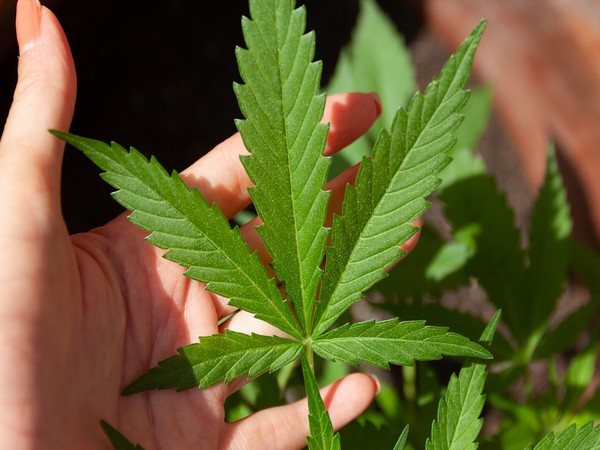
Representative Image

Kelowna [Canada], May 20 (ANI): During a recent study, a team of UBC Okanagan researchers found that kids who grow up in homes where parents consume cannabis will more than likely use it themselves.
The study was published in the journal Addictive Behaviors. Parental influence on the use of cannabis is important to study as it can help with the development of effective prevention programs, explains Maya Pilin, a doctoral psychology student in the Irving K. Barber Faculty of Arts and Social Sciences.
"Adolescence is a critical period in which drug and alcohol experimentation takes place and when cannabis use is often initiated," said Pilin. "Parents are perhaps the most influential socializing agent for children and early adolescents."
Pilin said it has long been assumed that parental use of cannabis contributes to higher levels of adolescent use. However, while there has been researching about parental use of alcohol and whether their children drink, there is less known about pathways to cannabis use.
"What we found mirrors closely what has been found in past research with alcohol use -- that parental use influences adolescents' use as well," she said. For their research, the team used data from a survey of almost 700 students in Grades 7 to 9, which is when previous studies demonstrate that cannabis use increases dramatically.
Each year over a three-year period, the students were asked if one or both of their parents used cannabis, if so, how frequently and whether they also use it. As the students aged, their cannabis use began and increased. This data was collected before cannabis was decriminalized in Canada in 2017. "We wanted to try and explain, how parental use, while their kids were in Grade 7, would be associated with their kids' use by ninth grade," said Dr. Sarah Dow-Fleisner, a researcher with the School of Social Work.
She further added, "We hypothesized that early parental use would impact how teens think about cannabis use, in particular, whether parental use early in adolescence would be associated with more positive expectations and perceptions of cannabis use by Grade 8, and whether that would lead to an increased chance of using cannabis by Grade 9. What we thought is exactly what we found." UBCO Psychology Professor Dr. Marvin Krank funded the research and collected the data for the study in collaboration with Okanagan valley school districts.
"This work is an important extension of previous studies about how parents influence their children's cannabis use in subtle ways," he said. "Children of parents who use cannabis have more associations and positive thoughts that quickly come to mind in response to cues associated with cannabis use. Such quick and automatic thinking influences their choices often without their awareness."
Analysing parental and then subsequent teen use of cannabis can provide important information in terms of intervention. Effective interventions need to consider the way youth think about cannabis use and how that has been shaped by parents, says Pilin.
Understanding the reasons for early cannabis use is essential to developing effective prevention programs in these formative years, explains Dr. Dow-Fleisner, as early use of cannabis is associated with harmful effects on mental and social developmental outcomes. It also increases the chance of experimentation with other drugs and greatly increases the risk of being diagnosed with a substance-use disorder in adulthood.
"What is important is that we do see across the literature that parent use and experiences with cannabis in early adolescence are linked with cannabis use later in adolescence, and part of this relationship has to do with the way teens think about cannabis," she added. "It helps us think about ways to intervene and prevent cannabis use -- our interventions must address how youth think about substance use based on their familial and personal experiences." (ANI)


Get the App

What to Read Next

Parenting

Overuse of social media, gadgets becomes top parents concern

Overuse of social media, gadgets becomes top parents concern

As children return to school, two issues are rising to the top of their parents' concerns: the impact of social media and the internet on children's lives.

Read More
Others

Social media 'trust'/'distrust' buttons may reduce misinformation

Social media 'trust'/'distrust' buttons may reduce misinformation

According to a new experimental study led by UCL researchers, the addition of 'trust' and 'distrust' buttons on social media, alongside the standard 'like' buttons, could help to reduce the spread of misinformation.

Read More
Food

Study finds how natto consumption could reduce anxiety

Study finds how natto consumption could reduce anxiety

Researchers at Osaka Metropolitan University found that familiar and affordable foods can help create a society where people are healthier and less stressed. Japanese natto, which is made from softened soybeans that have been boiled or steam-fermented with a bacteria known as Bacillus subtilis var. natto, might be one example of such a food. The study was published in the journal, 'Journal of Applied Microbiology'.

Read More
Others

Positive news pieces can help to soften mental toll

Positive news pieces can help to soften mental toll

People who saw the news about kindness among people after consuming news about a terrorist attack or other immoral acts felt less negative emotions and retained more belief in the goodness of humanity.

Read More
Others

Good articles can emotionally buffer impact of negative stories

Good articles can emotionally buffer impact of negative stories

According to a study people who saw the news about kindness among people after consuming news about a terrorist attack or other immoral acts felt less negative emotions and retained more belief in the goodness of humanity.

Read More
Culture

Make creativity part of study programmes for science graduates

Make creativity part of study programmes for science graduates

In the latest editorial in the scientific journal Nature Biotechnology, they advocate teaching the importance of creative processes for the advancement of science especially in graduate study programmes.

Read More
Fashion

Miss Teen Diva 2022 Kashish Goswami has this to say on win

 Miss Teen Diva 2022 Kashish Goswami has this to say on win

Kashish Goswami from Vadodara was recently crowned Miss Teen Grand India 2022.

Read More
Quirky

Animals' travelling speed determined by shedding heat: Research

Animals' travelling speed determined by shedding heat: Research

According to a new study led by Alexander Dyer from the German Centre for Integrative Biodiversity Research (iDiv) and the Friedrich Schiller University Jena, Germany, an animal's travelling speed is limited by how effectively it sheds the excess heat generated by its muscles.

Read More
Others

Research: There is no day count to promise formation of habits

 Research: There is no day count to promise formation of habits

Getting dressed and making your way to the gym can be a chore at first. You may gradually create the habit of getting to the gym and swiftly transitioning to your Zumba class or treadmill run. According to a new study by social scientists at Caltech, it takes an average of six months to acquire a gym habit.

Read More
Others

Wealthy people's swimming pools make cities thirsty: Research

Wealthy people's swimming pools make cities thirsty: Research

Rich elites with large swimming pools and manicured lawns are leaving underprivileged people in cities throughout the world without basic water access.

Read More


