Embryos of many species use sound to prepare for the outside world, finds study
Canberra [Australia], May 27 (ANI): It's well known that reptiles depend on temperature cues while in the egg to determine a hatchling's sex. Now, researchers writing in the journal Trends in Ecology and Evolution say that embryos of many different animal species also rely on acoustic signals in important ways. They call this phenomenon "acoustic developmental programming."
ANI
May 27, 2021 09:08 IST

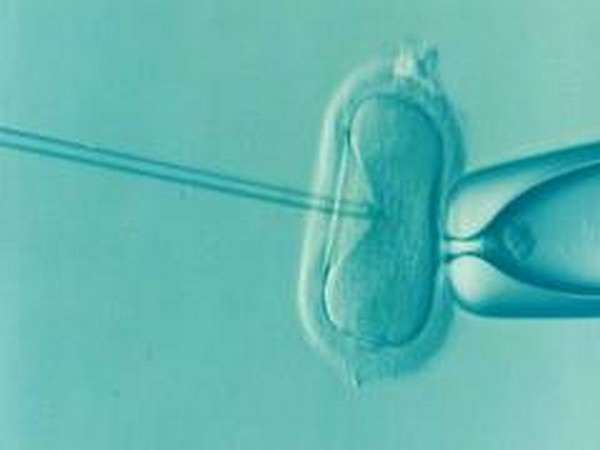
Canberra [Australia], May 27 (ANI): It's well known that reptiles depend on temperature cues while in the egg to determine a hatchling's sex. Now, researchers writing in the journal Trends in Ecology and Evolution say that embryos of many different animal species also rely on acoustic signals in important ways. They call this phenomenon "acoustic developmental programming."
"Acoustic developmental programming occurs when a sound informs embryos about the environment they'll encounter postnatally and changes their development to better suit this environment," said Mylene Mariette of Deakin University in Australia.
Because this is a newly discovered phenomenon, the evidence is just beginning to accumulate. And, yet, it seems to be rather widespread among animals.
"We have found evidence of this happening in birds, where parental calls can warn embryos about heatwaves or predators," Mariette says. "Before that, there was also evidence that cricket nymphs use male songs to predict the level of competition for mates. However, what is most striking from the evidence we've gathered is how common it is for embryos across species to rely on sound information.
"For example," she adds, "across all animal groups that lay eggs, such as insects, frogs, reptiles and birds, embryos use sound or vibration to know when the best time is to hatch. This suggests that acoustic developmental programming is likely to happen in many animal species and for a whole range of conditions. But, until recently, we did not know it was happening."
Mariette got interested in acoustic developmental programming while studying how zebra finch parents communicate with each other through calls to coordinate parental care duties. "I noticed that when a parent was alone incubating, it would sometimes produce a strange high-pitched call," she says.
She wondered if those calls had further implications for the developing embryos. To find out, she captured many audio recordings in nests and played them to eggs incubated artificially in the lab. It turned out that the finch parents only produced that particular call when it was very hot out. Upon hearing it from inside the egg, nestlings adjusted their development to prepare for the heat.
"I became very curious about how just hearing a sound before hatching could alter development," Mariette says.
She started searching for evidence in the literature of embryos using sound in other animals. She also dug into neurobiology to try and understand how it could happen. So far, it's not clear exactly how it works, but the new report identifies some likely mechanisms.
"In crickets, when developing nymphs hear many sexy songs, female develop quickly to make the most of the opportunity, whereas males delay metamorphosis to grow bigger and invest more in reproduction," Mariette says. "In zebra finches, embryos exposed to parental heat calls grow less to reduce the physiological damage of heat exposure, which then allows them to produce more babies at adulthood. But embryos cannot decide to change their development, it just happens.
"This is because sound directly impacts behaviour and physiology, without any conscious processing," she continues.
Mariette added, "This is why, for example, music triggers spontaneous emotions of sadness or happiness, without us having to remember which movie that soundtrack came from, or in fact without us even noticing our reaction to the music. It seems to occur on its own because there are direct connections in the brain between the auditory pathway and the areas that control emotion, reflex learning, and hormone production, so the higher cortical areas do not need to decode the information. Sound experienced early in life could trigger the same spontaneous reactions and, in fact, have long-lasting effects, because this is when the brain is developing, and consolidating connections. For the same reason, the downstream effects on physiology and then morphology can persist for life."
The bottom line, for now, is that sound has a much more profound impact on development than had been realized. Mariette suggests that it may be important to preserve natural soundscapes that may be crucial for animal adaptation, particularly in fast-changing environments.
Mariette's lab continues to study the physiological traits in zebra finches that may be affected by heat calls. "It is quite amazing that sound alone can prepare babies for heat, particularly given the alarming rate of climate change," she says. (ANI)
Get the App