 हिंदी खबर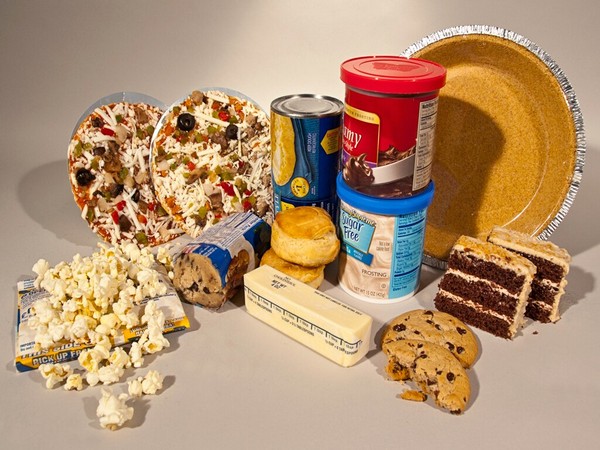

Washington [US], July 17 (ANI): A new study has shed light on the adverse effects of consuming ultra-processed food items. According to the research, a higher intake of ultra-processed food is associated with an increased risk of inflammatory bowel disease (IBD).
The findings of the study were published in the journal 'The BMJ'.
Ultra-processed foods include packaged baked goods and snacks, fizzy drinks, sugary cereals, ready meals containing food additives, and reconstituted meat and fish products - often containing high levels of added sugar, fat and salt, but lacking in vitamins and fibre.
IBD is more common in industrialised nations and it is thought that dietary factors might play a role, but data linking ultra-processed food intake with IBD are limited.
To explore this further, an international team of researchers drew on detailed dietary information from 116,087 adults aged 35-70 years living in 21 low, middle, and high-income countries who were taking part in the Prospective Urban Rural Epidemiology (PURE) study.
PURE is examining the impact of societal influences on chronic diseases in different countries around the world.
Participants were enrolled in the study between 2003 and 2016 and were assessed at least every three years. Over an average follow-up of 9.7 years, new diagnoses of IBD, including Crohn's disease or ulcerative colitis, were recorded.
During this time, 467 participants developed IBD (90 with Crohn's disease and 377 with ulcerative colitis).
After taking account of other potentially influential factors, the researchers found that a higher intake of ultra-processed food was associated with a higher risk of IBD.
For example, compared with less than one serving of ultra-processed food per day, they found an 82 per cent increased risk of IBD among those who consumed five or more servings per day, and a 67 per cent increased risk for 1-4 servings per day.
Different subgroups of ultra-processed food, including soft drinks, refined sweetened foods, salty snacks, and processed meat, each was associated with higher risks of IBD.
In contrast, intakes of white meat, red meat, dairy, starch, and fruit, vegetables, and legumes (such as peas, beans and lentils) were not associated with IBD.
Results were consistent for Crohn's disease and ulcerative colitis, and were similar after further analysis to test the risk of developing IBD based on age and region, suggesting that the findings are robust.
This is an observational study so can't establish causality. What's more, results relied on self-reported diagnoses and did not account for dietary changes over time. And the researchers cannot rule out the possibility that other unmeasured (confounding) factors may have affected their results.
Nevertheless, they said their findings "support the hypothesis that intake of ultra-processed foods could be an environmental factor that increases the risk of IBD."
As white meat, unprocessed red meat, dairy, starch, and fruit, vegetables, and legumes were not found to be associated with the development of IBD, this study suggests that it might not be the food itself that confers this risk but rather the way the food is processed or ultra-processed, they explained.
"Further studies are needed to identify specific potential contributory factors among processed foods that might be responsible for the observed associations in our study," they concluded. (ANI)




