

ADD ANI AS A TRUSTED SOURCE
googleads
ANI Logo
Menu
Food

Diet affects microbial composition of human gut: Study

Washington D.C. [USA], Mar 29 (ANI): The microbial composition of the human gut is largely affected by the diet consumed by the individual, suggests a new study.

ANI Mar 29, 2020 22:32 IST googleads

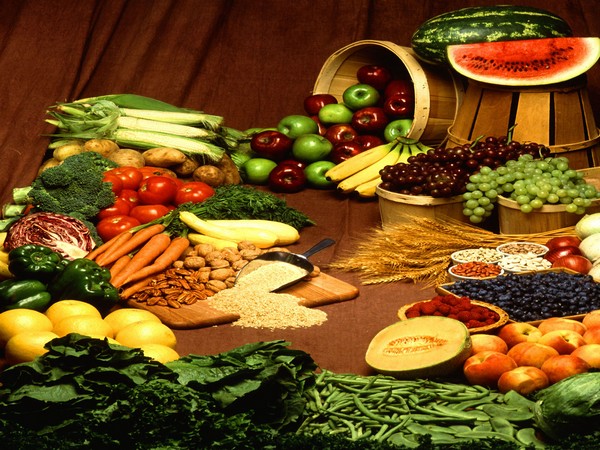
Representative image

Washington D.C. [USA], Mar 29 (ANI): The microbial composition of the human gut is largely affected by the diet consumed by the individual, suggests a new study.
This in turn affects a range of metabolic, hormonal, and neurological processes, according to a literature review by scientists from the George Washington University (GW) and the National Institute of Standards and Technology (NIST).
The article was published in Nutrition Reviews.
Until recently, human microbiome remained an understudied target for new strategies to diagnose and treat disease. The prevalence of diseases that may involve disruption of the gut microbiome is increasing and there is currently no consensus in the scientific community on what defines a healthy gut microbiome.
The review systematically assessed the current understanding of the interactions between nutrition and the gut microbiome in healthy adults.
"As we learn more about the gut microbiome and nutrition, we are learning how influential they are to each other and, perhaps more central to public health, the role they both play in prevention and treatment of disease," said Leigh A. Frame, PhD, MHS, program director of the Integrative Medicine Programs at the GW School of Medicine and Health Sciences.
The authors found that the bi-directional relationship between nutrition and the gut microbiome is emerging as more research is conducted on how microbiota utilize and produce both macro and micronutrients. Research has focused on the benefits of dietary fiber, which serves as fuel for gut microbiota, and also found that, in contrast, protein promotes microbial protein metabolism and potentially harmful byproducts that may sit in the gut, increasing the risk of negative health outcomes.
"This review reveals that the measurement tools currently in our arsenal are ineffective for identifying the microbial and molecular signatures that can serve as robust indicators of health and disease," said Scott Jackson, adjunct assistant professor of clinical research and leadership at SMHS and leader of the Complex Microbial Systems Group at NIST.
The authors suggested that future research must consider individual responses to diet and how the gut microbiome responds to dietary interventions, as well as emphasized function of the microbiome over mere composition. (ANI)


Get the App

What to Read Next

Food

Study finds how diet has major impact on risk of Alzheimer's

Study finds how diet has major impact on risk of Alzheimer's

In a detailed study, researchers identify which diets are effective in lowering the risk of developing Alzheimer's disease.

Read More
Quirky

Sense of order distinguishes humans from other animals: Study

Sense of order distinguishes humans from other animals: Study

Already earlier research at Stockholm University has suggested that only humans have the ability to recognize and remember so-called sequential information and that this ability is a fundamental building block underlying unique human cultural abilities.

Read More
Food

Replacing saturated fat, salt...is tasty, healthy: Study

Replacing saturated fat, salt...is tasty, healthy: Study

A team of Penn State researchers has figured the how to reduce some saturated fat, sugar, and salt from popular American dishes while keeping them tasty.

Read More
Parenting

Study reveals more sleep reduce impulsive behavior in children

Study reveals more sleep reduce impulsive behavior in children

Sleep is a vital aspect of a child's general health, but it can also influence their behaviour.

Read More
Food

MIND diet associated with better focus in school-aged children

MIND diet associated with better focus in school-aged children

A recent study suggested that a diet created to assist prevent cognitive decline in adults may also help increase attention in preadolescents. Future nutritional programmes aiming at enhancing children's cognition may benefit from the findings.

Read More
Fitness

Study finds people's behavior who loses weight clinically

Study finds people's behavior who loses weight clinically

A recent study that looked at information on more than 20,000 American adults found that eating better and exercising more leads to weight loss that lowers the risk of heart disease, but that skipping meals and taking diet pills leads to only little weight loss, weight stabilization, or weight gain.

Read More
Others

Study reveals creative people enjoy idle time more than others

Study reveals creative people enjoy idle time more than others

According to a new study by University of Arizona researchers, creative people are more prone to spend their downtime during the day exploring their minds.

Read More
Food

Not eating healthy foods linked with cardiovascular disease

Not eating healthy foods linked with cardiovascular disease

Researchers from Hamilton Health Sciences and McMaster University revealed in a study conducted at the Population Research Health Institute (PHRI) that persons who do not consume enough of six important nutrients collectively had a higher risk of developing cardiovascular disease (CVD).

Read More
Others

Walkable neighbourhoods help adults socialize, increase community

Walkable neighbourhoods help adults socialize, increase community

According to researchers from the University of California San Diego's Herbert Wertheim School of Public Health and Human Longevity Science, adults who live in walkable neighbourhoods are more likely to interact with their neighbours and have a stronger sense of community than those who live in car-dependent communities.

Read More
Relationships

Conflict in marriage less harmful when dad keeps it constructive

Conflict in marriage less harmful when dad keeps it constructive

In marriages, conflict is unavoidable. When it explodes in families with children, worried or furious parents may project their anger or withdraw emotionally or physically from their children. In the worst-case situation, children's socioemotional development may suffer. According to a recent study by researchers at the University of Illinois Urbana-Champaign, how parents, particularly men, deal with marital problems can have an impact on their children.

Read More
Home About Us Our Products Advertise Contact Us Terms & Condition Privacy Policy

Copyright © aninews.in | All Rights Reserved.


