Study reveals association between walking pace and risk of death among cancer survivors
Washington [US], March 7 (ANI): A study led by Washington University School of Medicine in St. Louis and the National Cancer Institute (NCI) has found that a slow walking pace among cancer survivors may increase their chances of death.
ANI
Mar 07, 2021 22:41 IST

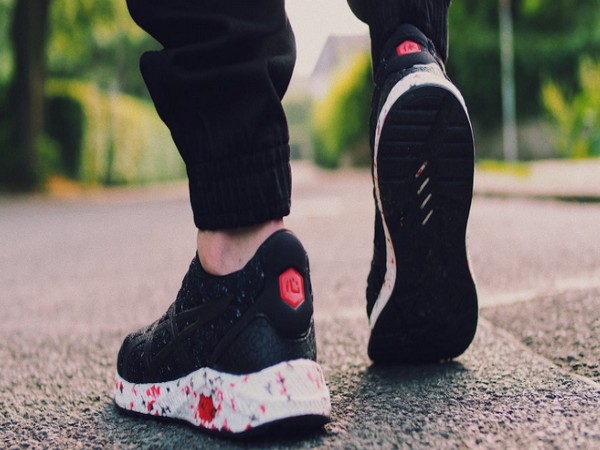
Washington [US], March 7 (ANI): A study led by Washington University School of Medicine in St. Louis and the National Cancer Institute (NCI) has found that a slow walking pace among cancer survivors may increase their chances of death.
The research has also identified an association between a slow walking pace and an increased risk of death among cancer survivors.
Investigators now call for more research into these relationships and whether targeted interventions such as physical activity programs could help cancer survivors improve their ability to walk and increase survival after cancer diagnosis and treatment.
While the study does not establish that slow walking is a cause of death, the association persisted across at least nine tumour types.
The study, a collaboration between Washington University, the NCI of the National Institutes of Health (NIH), the University of North Carolina and George Washington University, appears March 4 in Cancer Epidemiology, Biomarkers & Prevention, a journal of the American Association for Cancer Research.
"Cancer survivors are living longer than ever - and that's good news," said first author Elizabeth A. Salerno, PhD, an assistant professor of surgery in the Division of Public Health Sciences at Washington University.
"But it's important to improve our understanding of how the diagnosis and treatment of a broad range of cancers may affect walking pace during survivorship -- a potentially modifiable risk factor -- which could lead to new treatment and rehabilitation strategies to improve the health of these patients."
The researchers studied over 233,000 participants enrolled in the National Institutes of Health-American Association of Retired Persons (NIH-AARP) Diet and Health Study.
Participants, who were ages 50 to 71, answered questionnaires about their overall health and walking pace, and whether they had any disability related to walking, such as walking at a very slow pace or being unable to walk. After the assessment, participants were followed for several years.
Compared with healthy controls enrolled in the study, cancer survivors were 42% more likely to report walking at the slowest pace and 24% more likely to report being disabled. Among cancer survivors, those who walked at the slowest pace had more than a twofold increased risk of death from any cause, compared with those reporting the fastest walking pace.
The association between the slowest walking pace and a significantly increased risk of death from any cause held for nine cancer types, including breast, colon, melanoma, Non-Hodgkin lymphoma, oral, prostate, rectal, respiratory and urinary cancers.
The association between mobility disability (not just slow pace) and death was even stronger and included all nine of the cancers mentioned above, plus endometrial, endocrine, ovarian and stomach cancers.
While slow walking pace also was linked to increased mortality that was due to any cause among individuals without a cancer diagnosis, the risk of death more than doubled for cancer survivors.
Compared with individuals without a cancer diagnosis who walked at the fastest pace, cancer survivors who walked the slowest had more than tenfold increased risk of death from any cause. Cancer survivors with mobility disability had more than fivefold increased risk of death compared with individuals with no cancer diagnosis or disability.
The researchers noted that cancer survivors reported difficulties walking five years or more after cancer diagnosis and treatment, suggesting that the detrimental effects of cancer diagnosis and therapy are widespread across cancer types and long-lasting, creating opportunities for intervening to help such patients improve their walking ability and pace.
"To our knowledge, this analysis is the first to explore the relationship between cancer, walking pace and subsequent mortality in 15 different cancer types," said Salerno, who conducted this research while a postdoctoral researcher at the NCI.
"Next steps include identifying the underlying reasons for these associations. It's possible that slow walking may be due to cancer itself, adverse effects of treatment, or changes in lifestyle. There is still much to be learned about these complex relationships, but our results highlight the importance of monitoring and even targeting walking pace after cancer." (ANI)
Get the App