 हिंदी खबर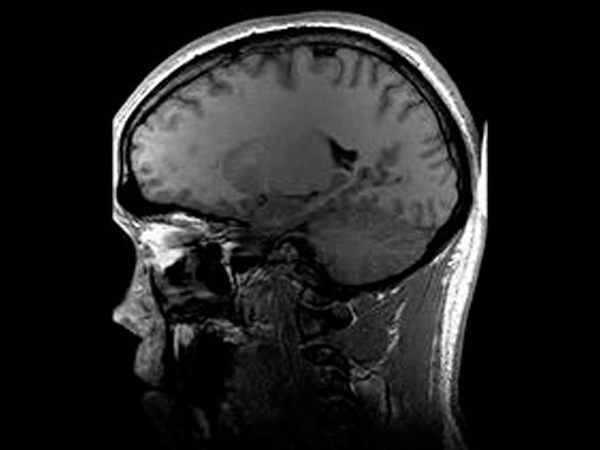

Mexico City [Mexico], July 11 (ANI): Researchers for the first time have identified brain-wide neural correlates of the transition from fear to anxiety. They tried to understand the brain's response to fear, and why, in some cases, it can lead to prolonged anxiety states like post-traumatic stress syndrome (PTSD).
The study was from a University of New Mexico research team led by Elaine L. Bearer, MD, PhD, the Harvey Family Professor in Pathology, and graduate student Taylor W Uselman.
"Until now, psychiatrists had little information about what goes on in the brain after a fearful experience, and why some people don't easily recover and remain anxious, for even as long as the rest of their lives," Bearer said.
While not feasible in human subjects, fear can be provoked in rodents by exposure to a scary smell, such as a product commonly used to protect our barbecues from mouse nesting. This smell simulates a predator odor and scares mice away.
The UNM team used this trick to witness how the brain responds to scary events and discover how brain activity evolves from a scary feeling to anxiety.
In a paper published this week in the journal NeuroImage, they report a correlation of behavior with brain activity by watching behavior and capturing magnetic resonance images before, during, and after exposure to non-scary and scary smells.
They created vulnerability to anxiety by manipulating the serotonin transporter (SERT), which is the major target of psychoactive drugs, like cocaine, and antidepressants, like Prozac. Deletion of the SERT gene (SERT-KO) produces vulnerability to anxiety, and thus provides a unique model to learn how frightening experiences morph into anxiety.
The UNM researchers compared behavior and brain activity in normal versus SERT-KO to identify the neural correlates of anxiety - those regions active in anxious SERT-KOs and not in normal subjects.
To highlight active neurons, they used manganese, a non-toxic ion that lights up active neurons in magnetic resonance images. Computational analyses of these brain-wide images yielded maps of activity throughout the brain before, immediately and long after brief exposure to the scary smell.
They identified differences in neural activity in 45 sub-regions throughout the brain. Some regions were activated by the scary smell, and some only came on later. Vulnerability to anxiety correlated with much more activity in many more regions.
The function of some of these regions, including the amygdala and hypothalamus, is at least partly understood, but others, such as the reward circuitry, were not previously known to be involved in anxiety.
In anxiety, the coordination between regions was altered, which may represent a brain-wide signature of anxiety, or signify a dis-coordination between brain regions, which is often experienced when we are frightened or anxious.
"We now know that brain activity in anxiety is not the same as in an acute fear response. With anxiety, neural activity is elevated across many specific regions of the brain, and normal coordination between regions is lost," Bearer said.
What does this mean in the time of COVID? The time lag for resilient or anxious outcomes suggests that early containment of fearful responses to surges in cases, protests, and economic recession may reduce the likelihood of progression to anxiety.
The involvement of serotonin also suggests pharmacologic targets that could help in reducing the likelihood of anxiety. Meditation, music, poetry, exercise, and other stress-reducing activities that engage the reward circuitry will also likely help. Early interventions will have lasting benefits. (ANI)




