
People with benign skin condition willing to give time, money to cure the condition
Washington D.C [U.S.A], May 20 (ANI): A new study has found out that people who suffer from 'benign hyperpigmentation', the darkening or increase in the natural colour of the skin, are willing to pay (WTP) nearly 14 per cent of their monthly income and approximately 90 minutes a day to cure their condition.
ANI
May 20, 2019 22:22 IST

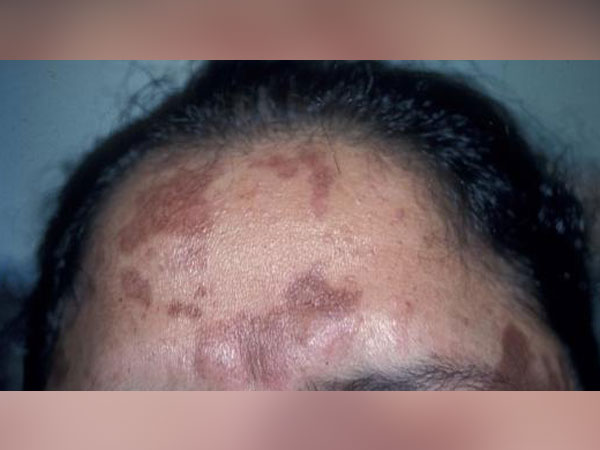
Washington D.C [U.S.A], May 20 (ANI): A new study has found out that people who suffer from 'benign hyperpigmentation', the darkening or increase in the natural colour of the skin, are willing to pay (WTP) nearly 14 per cent of their monthly income and approximately 90 minutes a day to cure their condition.
"Our findings highlight the substantial effect that benign hyperpigmentation has on quality of life as measured by the amount of time and money patients are willing to give up to rid themselves of disease," explained corresponding author Neelam Vashi, Boston University School of Medicine.
The study involved 85 adults with skin hyperpigmentation who were surveyed on the number of hours per day they would be willing to give up as well as how much money they were willing to spend to potentially be cured of a condition.
Hyperpigmentation disorders comprise a large group of benign skin conditions and their prevalence may vary with race and ethnicity. Despite often being considered a cosmetic condition, Vashi has shown in her previous research that this common clinical complaint has been shown to negatively impact the quality of life and psychosocial well-being of patients, especially when facial skin is involved.
According to the researchers, these findings suggest that the disease burden was overall severe in patients with hyperpigmentation disorders, and measuring WTP and TTO may be useful in determining the daily impact of disease and treatment preferences.
"We found that the WTP for a curative treatment was greater than that previously observed among patients with other skin diseases such as rosacea and vitiligo. This may suggest that hyperpigmentation disorders have a greater impact on daily life or that patients expect to pay more out of pocket for conditions that are often considered cosmetic," Vashi explained.
The researchers point out that although the study is limited by sample size and design, the information collected on WTP preferences allow physicians to gauge the impact of hyperpigmentation disorders on patients' lives and may be useful to guide therapeutic decisions. (ANI)
Tags:
Get the App


