Zydus announces world's first drug for treatment of NASH
Ahmedabad (Gujarat) [India], Mar 5 (ANI): Global pharmaceutical company Zydus Cadila, on Thursday announced that the Drug Controller General of India (DCGI) has approved its new drug application (NDA) for Saroglitazar, a medicine for the treatment of a liver disease called Non-Cirrhotic Non-Alcoholic Steatohepatitis (NASH).
ANI
Mar 05, 2020 23:26 IST

Ahmedabad (Gujarat) [India], Mar 5 (ANI): Global pharmaceutical company Zydus Cadila, on Thursday announced that the Drug Controller General of India (DCGI) has approved its new drug application (NDA) for Saroglitazar, a medicine for the treatment of a liver disease called Non-Cirrhotic Non-Alcoholic Steatohepatitis (NASH).
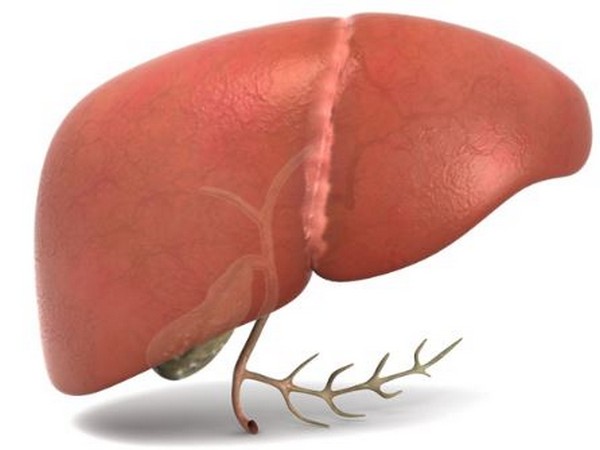
NASH is a progressive disease of the liver, which starts with fat accumulation in the liver known as Non-Alcoholic Fatty Liver Disease (NAFLD).
This condition could progress to cirrhosis and liver failure. There has always been a desperate need for a cure for NASH as till now there is no approved drug for the treatment of this condition anywhere in the world. This highly prevalent disease affects nearly 10 per cent to 30 per cent of the global population.
The prevalence of NASH in India is estimated to be nearly 25 per cent of the population.
It ranks as one of the major causes of cirrhosis, behind hepatitis C and alcoholic liver disease.
Liver transplantation is the only option for managing advanced cirrhosis with liver failure.
Pankaj Patel, Chairman, Zydus Group said in a statement: "We are happy that our efforts to discover and develop a novel drug for patients living with NASH, unmet healthcare need globally have been successful. Saroglitazar will provide hope and new lease of life for millions of patients in India suffering from NASH."
Saroglitazar was launched in India in September 2013, for the treatment of diabetic dyslipidemia and hypertriglyceridemia in patients with type-2 diabetes not controlled by Matins alone.
In January this year, Saroglitazar received approval for the treatment of Type 2 Diabetes Mellitus. In the last seven years, over a million patients have benefitted from this drug.
On the global front, a Phase 2 trial (EVIDENCES IV) of Saroglitazar mg in patients with NASI in the US met primary and secondary endpoints. (ANI)
Get the App