 हिंदी खबर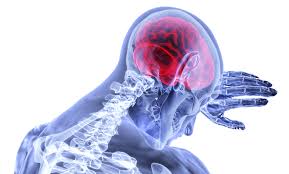

New Delhi [India], Oct 28 (ANI): World Stroke Day is observed on the October 29, each year.
Stroke, the most commonly heard reason of mortality in India after road accidents, is a condition where the brain does not receive enough oxygen or nutrients, causing brain cells to die.
Researches show that India will report almost 1.6 million cases of stroke annually by 2020 out of which one third would be disabled.
A stroke, also known as a cerebrovascular accident or CVA, occurs when part of the brain loses its blood supply and stops working. This causes the part of the body, that the injured brain controls, to stop working.
This loss of blood supply can be ischemic because of lack of blood flow, or hemorrhagic because of bleeding into brain tissue. A stroke is a medical emergency because strokes can lead to death or permanent disability.
What are the warning signs or symptoms?
There may be no warning signs of a stroke until it actually occurs. You might be having symptoms that may warn you that you might be about to have a stroke.
General symptoms of a stroke, according to Dr Walia Murshida Huda, Senior Medical Officer, Healthians, MBBS, MBA (H.C.A), FICM, include FAST, i.e:
-Face: Does the face droop on one side when the person tries to smile?
-Arms: Is one arm lower when the person tries to raise both arms?
-Speech: Can the person repeat a simple sentence? Is speech slurred or hard to understand?
-Time: During a stroke every minute counts. If you observe any of these signs, call your local emergency number immediately.
Other symptoms of a stroke include:
All strokes involve symptoms that relate to impairment of nerve function. A patient might complain of a few of the following or all of the following symptoms:
-Confusion
-changes in the level of consciousness
-trouble speaking
-trouble understanding speech
-vertigo
-balance problems
-headache
-nausea
-vomiting
Nausea, sometimes accompanies a stroke, particularly when the stroke involves bleeding inside the brain. The symptoms typically arise suddenly and most commonly occur on one side of the body as the brain controls the ipsilateral part of the body, i.e. brain lobes control opposite parts of the body. Example, a right brain stroke would make the left side of the body weak.
Depending on the part of the brain where the stroke has occurred, be it ischemic or hemorrhagic the effect would be seen in the body. The brain controls different functions of the body like speaking, hearing, listening other than the motor functions.
For example, most people's speech center is located in the left half of the brain so a stroke affecting the left side of the brain would affect speech and comprehension. It also would be associated with weakness of the right side of the body.
Who is at a higher risk of stroke?
Many factors can increase your risk of a stroke. Some factors can also increase your chances of having a heart attack. Potentially treatable stroke risk factors include:
Lifestyle risk factors
-Being overweight or obese
-Physical inactivity
-Heavy or binge drinking
-Use of illicit drugs such as cocaine and methamphetamines
Medical risk factors
-High blood pressure
-Cigarette smoking or exposure to secondhand smoke
-High cholesterol
-Diabetes
-Obstructive sleep
-Cardiovascular disease
Other factors associated with a higher risk of stroke include:
-Personal or family history of stroke, heart attack or transient ischemic attack.
-Being age 55 or older.
-Men have a higher risk of stroke than women
What to do if you feel FAST with a patient?
Time is the key to recovery in a stroke patient. If you feel someone around you has symptoms of stroke, the patient should be rushed to a hospital in emergency services. If during the initial phase of the attack the treatment is given, maximum number of brain cells could be prevented from dying as death of brain cell is an irreversible process. The damage which has been caused by the death of brain cells cannot be recovered.
The following things can be done other than taking him to the hospital
-Make the patient lie on one side with their head slightly raised and supported in case they vomit.
-Check to see if they're breathing. If they're not breathing at all, perform Cardio Pulmonary Resuscitation. If they're having difficulty breathing, loosen any constrictive clothing.
-Do not give them anything to eat or drink.
-If the person is showing any weakness in a limb, avoid moving them.
-You yourself need to be calm and patient to tell and brief the doctor about the event.
What would happen at the hospital?
On physical examination a doctor in the emergency would be able to confirm if it is a Stoke. To confirm it clinically a CT Scan or MRI of the brain would be done which would confirm on the type of stroke i.e. ischemic or hemorrhagic, and the lobe of the brain where it has occurred.
PS: There is an urgency to make the diagnosis and determine whether treatment clot-busting drugs to "reverse" the stroke is a possibility. The time frame to intervene is narrow and may be as short as 3 to 4 ½ hours after onset of symptoms
The specialist which is generally a Neuro physician or Neuro surgeon would further decide on the treatment and keep the patient in the Intensive Care Unit for further care.
What is the treatment of Stroke?
Depending on the type of stroke the treatment is planned. For an ischemic stroke, the treatment is generally through medications by a Neuro physician. If the stroke is hemorrhagic then the intervention of a Neuro surgeon may be required to remove the blood clot depending on the site of clot. If the clot is deep inside the brain it is generally not operated upon. If the cloth is in the outer coverings or near the coverings of the brain the Neuro surgeon might take a call.
How to recover from a Stroke?
After first aid and treatment, the stroke recovery process varies. It depends on many factors, such as how fast treatment was received or if the person has other medical conditions. The first stage of recovery is known as acute care. It takes place in a hospital where your condition is assessed, stabilized, and treated. Rehabilitation is usually the next stage or the main of stroke recovery. The goals of rehabilitation are:
-strengthen motor skills
-improve mobility
-limit use of the unaffected limb to encourage mobility in the affected limb
-use range-of-motion therapy to ease muscle tension
-
Preventing a stroke
The best way to prevent a stroke is to address the underlying causes. This is best done by living healthfully, which means:
-Eating a healthy diet.
-Maintaining a healthy weight.
-Exercise regularly.
-Don't smoke.
-Avoiding alcohol or drink moderately. (ANI)




