Witnessing fear in loved ones can cause PSTD
Washington D.C. [USA], Jan. 7 (ANI): A study reveals that if a person hears about a serious incident -- such as a gunfire exchange - from his/her loved ones or even strangers, it may change how information flows in the brain and can lead to post-traumatic stress disorder.
ANI
Jan 07, 2017 16:41 IST


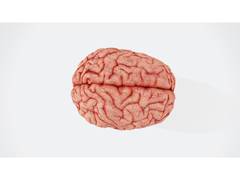
Washington D.C. [USA], Jan. 7 (ANI): A study reveals that if a person hears about a serious incident -- such as a gunfire exchange - from his/her loved ones or even strangers, it may change how information flows in the brain and can lead to post-traumatic stress disorder. Scientists in the study, published in Neuropsychopharmacology, observed that fear in others may change how information flows in the brain. Post-traumatic stress disorder, also called PTSD, is an anxiety disorder that can develop in some people after they experience a shocking, scary, or dangerous event, according to the National Institute of Mental Health. "Negative emotional experience leaves a trace in the brain, which makes us more vulnerable," said lead study author Alexei Morozov from Virginia Tech Carilion Research Institute in the US. "Traumatic experiences, even those without physical pain, are a risk factor for mental disorders," Morozov added. The team observed that most people, who live through dangerous events, do not develop the disorder, but about seven or eight out of every 100 people will experience post-traumatic stress disorder at some point in their lives. "PTSD doesn't stop at direct victims of illness, injury, or a terrorist attack; it can also affect their loved ones, caregivers, even bystanders -- the people who witness or learn about others' suffering," Morozov stated. Based on these findings, the researchers investigated whether the part of the brain responsible for empathising and understanding the mental state of others, called the prefrontal cortex, physically changes after witnessing fear in another. Lei Liu, a post-doctoral researcher in the lab, measured transmission through inhibitory synapses that regulate strength of the signals arriving in the prefrontal cortex from other parts of the brain in mice who had witnessed a stressful event in another mouse. "Liu's measures suggest that observational fear physically redistributes the flow of information," Morozov said, "And this redistribution is achieved by stress, not just observed, but communicated through social cues, such as body language, sound, and smell." (ANI)
Get the App