ADD ANI AS A TRUSTED SOURCE
googleads
ANI Logo
Menu
Health

Wearing hearing aid may help protect brain in later life, researchers suggest

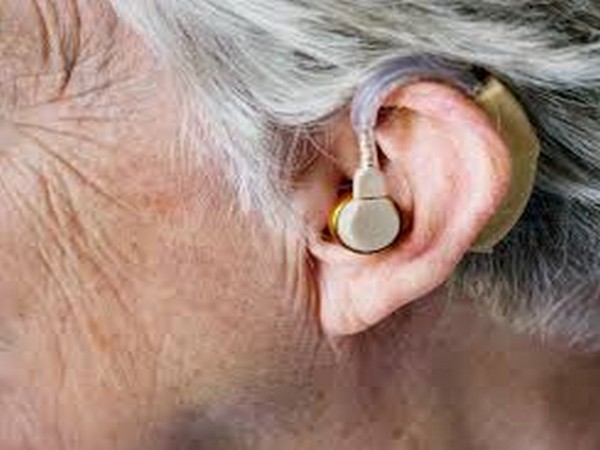
Washington D.C. [USA], July 16 (ANI): People who wear a hearing aid for age-related hearing problems maintain better brain function over time than those who do not, recent findings suggest.

ANI Jul 16, 2019 19:45 IST googleads

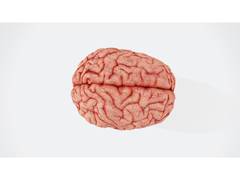
Previous research has shown that hearing loss is linked to a loss of brain function, memory and an increased risk of dementia.

Washington D.C. [USA], July 16 (ANI): People who wear a hearing aid for age-related hearing problems maintain better brain function over time than those who do not, recent findings suggest.
The research, conducted by the University of Exeter and King's College London, was presented at the Alzheimer's Association International Conference in Los Angeles. The study covered 25,000 people aged 50 or over.
The findings provide early evidence that encouraging people to wear an effective hearing aid may help to protect their brains and reduce their risk of dementia.
Both groups undertook annual cognitive tests over two years. After that, the group who wore hearing aids performed better in measures assessing working memory and aspects of attention than those who did not.
The research was discussed during the meeting of Alzheimer's Association International Conference 2019.
On one attention measure, people who wore hearing aids showed faster reaction time -- in everyday terms, this is a reflection of concentration, for example, 'straining to hear a sound', 'peering closely at an object of great interest', 'listening intently to someone speaking'.
Previous research has shown that hearing loss is linked to a loss of brain function, memory and an increased risk of dementia.
According to the researchers, their work is one of the largest studies to look at the impact of wearing a hearing aid and suggests that wearing a hearing aid could actually protect the brain. They now need more research and a clinical trial to test this and perhaps feed into policy to help keep people healthy in later life.
"We know that we could reduce dementia risk by a third if we all took action from mid-life. This research is part of an essential body of work to find out what really works to keep our brains healthy. This is an early finding and needs more investigation, yet it has exciting potential. The message here is that if you're advised you need a hearing aid, find one that works for you. At the very least it will improve your hearing and it could help keep your brain sharp too," said Clive Ballard, lead author of the study. (ANI)

Get the App

What to Read Next

Health

Pre-workout supplements may cut sleep in half for young users

Pre-workout supplements may cut sleep in half for young users

A popular fitness trend among young people may be quietly undermining their sleep. A new study led by researchers at the University of Toronto has found that teenagers and young adults who use pre-workout supplements are significantly more likely to experience extremely short sleep durations.

Read More
Health

Scientists discover reason high altitude protects against diabete

Scientists discover reason high altitude protects against diabete

Living at high altitude appears to protect against diabetes, and scientists have finally discovered the reason. When oxygen levels drop, red blood cells switch into a new metabolic mode and absorb large amounts of glucose from the blood.

Read More
Health

Scientists reveal how exercise protects brain from Alzheimer's

Scientists reveal how exercise protects brain from Alzheimer's

Exercise may sharpen the mind by repairing the brain's protective shield. Researchers found that physical activity prompts the liver to release an enzyme that removes a harmful protein, causing the blood-brain barrier to become leaky with age.

Read More
Health

Scientists find clue to human brain evolution in finger length

Scientists find clue to human brain evolution in finger length

Human evolution has long been tied to growing brain size, and new research suggests prenatal hormones may have played a surprising role. By studying the relative lengths of the index and ring fingers, a marker of prenatal exposure to oestrogen and testosterone, researchers found that higher prenatal oestrogen exposure was associated with larger head size in newborn boys.

Read More
Health

MRI scans show exercise can make the brain look younger

MRI scans show exercise can make the brain look younger

New research suggests that consistent aerobic exercise can help keep your brain biologically younger. Adults who exercised regularly for a year showed brains that appeared nearly a year younger than those who didn't change their habits.

Read More
Health

Scientists solve a major roadblock in cancer cell therapy: Study 

Scientists solve a major roadblock in cancer cell therapy: Study 

Researchers have found a reliable way to grow helper T cells from stem cells, solving a major challenge in immune-based cancer therapy. Helper T cells act as the immune system's coordinators, helping other immune cells fight longer and harder.

Read More
Health

Scientists find hidden synapse hotspots in the teen brain: Study

Scientists find hidden synapse hotspots in the teen brain: Study

The scientists have discovered that the adolescent brain does more than prune old connections. During the teen years, it actively builds dense new clusters of synapses in specific parts of neurons.

Read More
Health

Memory loss can suddenly speed up with age: Study

Memory loss can suddenly speed up with age: Study

A massive international brain study has revealed that memory decline with age isn't driven by a single brain region or gene, but by widespread structural changes across the brain that build up over time.

Read More
Health

Injection turns sleeping tumour immune cells into cancer fighters

Injection turns sleeping tumour immune cells into cancer fighters

The Korea Advanced Institute of Science and Technology (KAIST) researchers have developed a way to reprogram immune cells already inside tumours into cancer-killing machines.

Read More
Health

Scientists found a way to help ageing guts heal themselves

Scientists found a way to help ageing guts heal themselves

Researchers have discovered a way to help aging intestines heal themselves using CAR T-cell therapy. By targeting senescent cells that build up over time, the treatment boosted gut regeneration, reduced inflammation, and improved nutrient absorption in mice.

Read More
Home About Us Our Products Advertise Contact Us Terms & Condition Privacy Policy

Copyright © aninews.in | All Rights Reserved.