Vitamin D fails to reduce statin-associated muscle pain: Research
Patients who take statins to lower high cholesterol levels often complain of muscle pains, which can lead them to stop taking the highly effective medication and put them at greater risk of heart attack or stroke.
ANI
Nov 23, 2022 22:57 IST

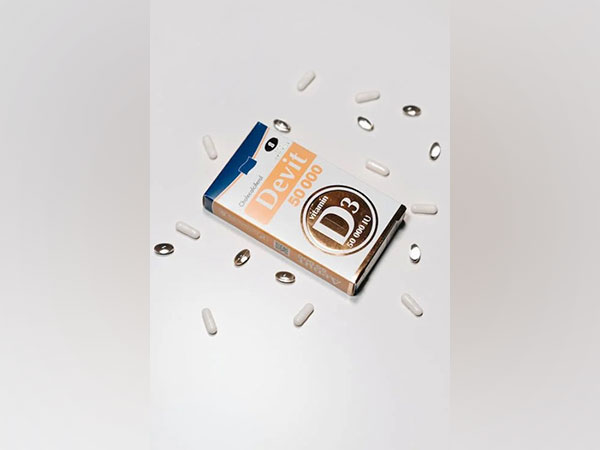
Washington [US], November 23 (ANI): Patients taking statins to treat high cholesterol levels frequently experience muscle soreness, which can cause them to quit taking the extremely effective drug and increase their chance of having a heart attack or stroke.
Some doctors have suggested vitamin D pills to patients using statins to help with muscle pain, but a recent study by researchers at Northwestern University, Harvard University, and Stanford University reveals the vitamin doesn't seem to have much of an effect.
The report was released in the journal JAMA Cardiology.
The new study, which is the first randomised clinical trial to examine the effect of vitamin D on statin-associated muscle symptoms, was large enough to rule out any significant advantages, despite non-randomized studies suggesting that vitamin D is an effective treatment for statin-associated muscle symptoms.
2,083 individuals took either a placebo or 2,000 units of vitamin D supplements daily in the randomised, double-blind trial. According to the study, participants in both categories had an identical likelihood of experiencing muscle complaints and stopping statin therapy.
Over 4.8 years of follow-up, statin-related muscle pain was reported by 31 per cent of the participants' assigned vitamin D and 31 per cent given a placebo.
"We had high hopes that vitamin D would be effective because in our clinic and across the country, statin-associated muscle symptoms were a major reason why so many patients stopped taking their statin medication," said senior author Dr Neil Stone, professor of medicine in cardiology and preventive medicine at Northwestern University Feinberg School of Medicine and a Northwestern Medicine cardiologist. "So, it was very disappointing that vitamin D failed a rigorous test. Nevertheless, it's important to avoid using ineffective treatments and instead focus on research that can provide an answer."
The two drugs that American people use the most frequently are statins and vitamin D pills. Statins are prescribed to roughly 30 to 35 million Americans, and over half of people over 60 take a vitamin D pill.
"We took advantage of a large placebo-controlled randomized trial to test whether vitamin D would reduce statin-associated muscle symptoms and help patients keep taking their statins," said lead study author Dr Mark Hlatky, a professor of health policy and cardiovascular medicine at Stanford. "The placebo control in the study was important because if people think vitamin D is supposed to reduce their muscle pains, they just might feel better while taking it, even if vitamin D has no specific effect."
The trial was a smaller clinical trial that served as a sub study
The Vitamin D and Omega-3 Trial (VITAL), which randomised over 26,000 volunteers to double-blind vitamin D treatment in an effort to investigate if it would prevent cancer and cardiovascular disease, included the 2,083 patients as part of its wider cohort of participants.
This gave researchers a rare chance to investigate whether vitamin D alleviates muscular complaints in people who started taking statins during the longer VITAL trial's follow-up period.
The study's participants had an average age of 67, and 51 per cent of them were female.
"Randomized clinical trials are important because many very good ideas don't work as well as we had hoped when they are put to the test," Hlatky said. "Statistical associations do not prove a cause-and-effect relationship. Low levels of vitamin D are associated with many medical problems, but it turns out that giving people vitamin D does not generally fix those problems."
For patients who report statin-associated muscle pains
In some cases, according to Dr Stone, the key to understanding patients who have trouble taking statins is looking at the other medications they are taking, seeing if they have any associated metabolic or inflammatory conditions, giving them advice on how to drink enough water, and, most importantly, talking to them about "pill anxiety."
"For those who have difficulties with statins, a systematic appraisal by a physician with experience in dealing with these matters is still very important," Stone said. (ANI)
Get the App