 हिंदी खबर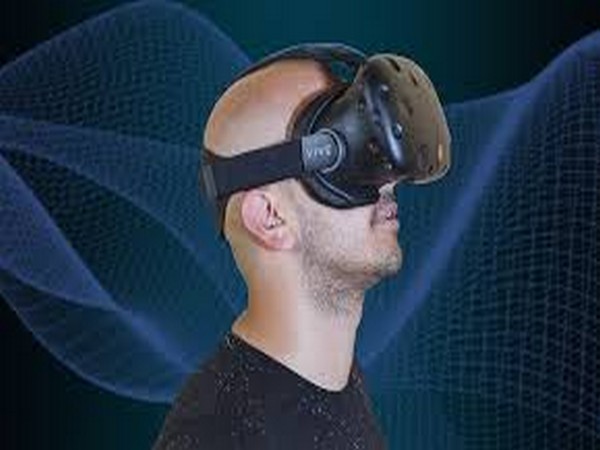

Washington DC [USA], Jun 2 (ANI): A new study has shown that virtual reality session given to patients before and during locoregional anaesthesia for orthopaedic procedures significantly reduced pain and the requirement for intravenous sedation.
The study is being presented at the meeting 'Euroanaesthesia' (the annual meeting of the European Society of Anaesthesiology) in Vienna, Austria (1-3 June).
The randomised trial suggested that virtual reality hypnosis distraction (VRHD) could be a valuable drug-free alternative for reducing anxiety and procedure-related pain without the side- effects and longer recovery time associated with traditional intravenous sedation.
"Given the immersive and distracting nature of the virtual reality experience, this technology has the ability to act as a preventive intervention transforming local anaesthesia into a less distressing and potentially pain-free medical procedure," said Dr Dragos Chirnoaga from CUB Erasmus Hospital, Brussels, Belgium who co-led the research.
Along with many other procedures, having a local anaesthetic injection can be a stressful and painful experience, and it is often combined with intravenous sedation to help patients relax. However, the use of intravenous sedation is not without adverse effects such as headache, nausea, and drowsiness.
In this randomised trial, researchers tested the hypothesis that VRHD could reduce the requirement for intravenous sedation by at least 50 per cent during local anaesthesia at CUB Erasmus Hospital.
They randomised 60 adults scheduled for orthopaedic surgery (shoulder, hand or knee surgeries) with locoregional anaesthesia into three groups.
In the control group (20 patients), standard intravenous sedation during locoregional procedure was administered without VHRD; in the second group (20), VRHD was used during locoregional anaesthesia, and intravenous sedation was given if patients reported pain scores of greater than 3 out of 10; in the third group (20), VRHD before and during locoregional anaesthesia was used, and intravenous sedation was given if patients reported pain scores greater than 3.
VRHD therapy consisted of wearing virtual reality goggles and headphones to watch relaxing video content of a submarine ride and life under the sea, with a calming voice guiding the journey and focused on slowing the patient's breathing rhythm.
Analyses showed that just 25 per cent (5/20) of patients receiving VRHD during local anaesthesia required intravenous sedation, while only 10 per cent (2/20) patients given VRHD both before and during locoregional anaesthesia needed further sedation.
Additionally, patients receiving VRHD showed similar comfort and satisfaction before and during the procedure as those who were given intravenous sedation.
"Virtual reality hypnosis distraction is feasible, well tolerated, and liked by patients," said Dr Delphine Van Hecke from CUB Erasmus Hospital, Brussels, who co-led the study.
"While it is not clear exactly how virtual reality works to reduce anxiety and pain, it's thought that it creates a distraction that stops the mind feeling pain. Further studies should focus on other procedures suited for the use of VRHD, particularly its potential benefit in children as premedication or during low pain procedures," added Hecke. (ANI)
Virtual reality reduces pain and need for intravenous sedation by at least 50 pc: Study
ANI | Updated: Jun 02, 2019 12:28 IST




