

ADD ANI AS A TRUSTED SOURCE
googleads
ANI Logo
Menu
Health

Vaccine immune response linked to age

Oregon [US], July 22 (ANI): A new laboratory study from Oregon Health and Science University suggests that older people appear to have fewer antibodies against the novel coronavirus.

ANI Jul 22, 2021 08:49 IST googleads

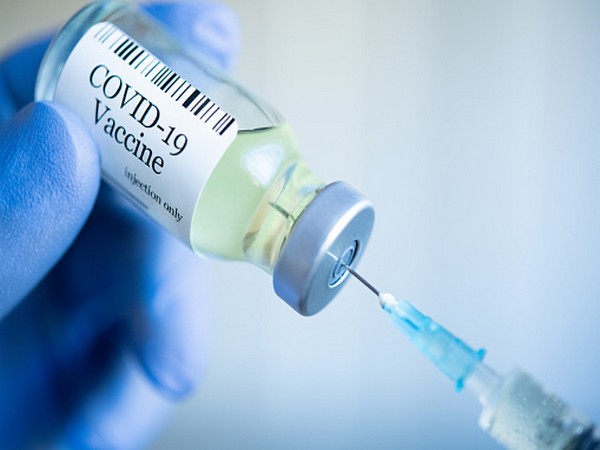
Representative Image

Oregon [US], July 22 (ANI): A new laboratory study from Oregon Health and Science University suggests that older people appear to have fewer antibodies against the novel coronavirus.
The study was published in the Journal of the American Medical Association. Antibodies are blood proteins that are made by the immune system to protect against infection. They are known to be key players in protection against SARS-CoV-2 infection.
"Our older populations are potentially more susceptible to the variants even if they are vaccinated," said senior author Fikadu Tafesse, Ph.D., assistant professor of molecular microbiology and immunology in the OHSU School of Medicine.
Tafesse and colleagues emphasized that even though they measured diminished antibody response in older people, the vaccine still appeared to be effective enough to prevent infection and severe illness in most people of all ages.
"The good news is that our vaccines are really strong," Tafesse said.
However, with vaccine uptake slowing in Oregon and across the United States, researchers say their findings underscore the importance of promoting vaccinations in local communities.
Vaccinations reduce the spread of the virus and new and potentially more transmissible variants, especially for older people who appear to be more susceptible to breakthrough infections.
"The more people get vaccinated, the less the virus circulates," Tafesse said. "Older people aren't entirely safe just because they're vaccinated; the people around them really need to be vaccinated as well. At the end of the day, this study really means that everybody needs to be vaccinated to protect the community."
Researchers measured the immune response in the blood of 50 people two weeks after their second dose of the Pfizer vaccine against COVID-19. They grouped participants into age groups and then exposed their blood serum in test tubes to the original "wild-type" SARS-CoV-2 virus and the P.1 variant (also known as gamma) that originated in Brazil.
The youngest group - all in their 20s - had a nearly seven-fold increase in antibody response compared with the oldest group of people between 70 and 82 years of age. In fact, the laboratory results reflected a clear linear progression from youngest to oldest: The younger a participant, the more robust the antibody response.
"Older people might be more susceptible to variants than younger individuals," Tafesse said.
The findings highlight the importance of vaccinating older people as well as others who may be more vulnerable to COVID-19, said co-author Marcel Curlin, M.D., associate professor of medicine (infectious diseases) in the OHSU School of Medicine.
"The vaccine still produces strong immune responses compared with natural infection in most older individuals, even if they are lower than their younger counterparts," Curlin said. "Vaccination in this group may make the difference between serious and mild disease, and likely reduces the chances of transmitting SARS-CoV-2 to another person." (ANI)


Get the App

What to Read Next

Health

Scientists solve a major roadblock in cancer cell therapy: Study 

Scientists solve a major roadblock in cancer cell therapy: Study 

Researchers have found a reliable way to grow helper T cells from stem cells, solving a major challenge in immune-based cancer therapy. Helper T cells act as the immune system's coordinators, helping other immune cells fight longer and harder.

Read More
Health

Injection turns sleeping tumour immune cells into cancer fighters

Injection turns sleeping tumour immune cells into cancer fighters

The Korea Advanced Institute of Science and Technology (KAIST) researchers have developed a way to reprogram immune cells already inside tumours into cancer-killing machines.

Read More
Health

Eating more vitamin C can physically change your skin

Eating more vitamin C can physically change your skin

Scientists discovered that vitamin C from food travels through the bloodstream into every layer of the skin, boosting collagen and skin renewal.

Read More
Health

Researchers have decoded rare cancer fighting plant compound

Researchers have decoded rare cancer fighting plant compound

UBC Okanagan researchers have uncovered how plants create mitraphylline, a rare natural compound linked to anti-cancer effects.

Read More
Health

This tiny protein helps control how hungry you feel

This tiny protein helps control how hungry you feel

Researchers have identified a previously overlooked protein that helps regulate appetite and energy use in the body.

Read More
Health

This gut molecule shows remarkable anti-diabetes power: Study

This gut molecule shows remarkable anti-diabetes power: Study

Researchers revealed that the microbial metabolite TMA can directly block the immune protein IRAK4, reducing inflammation and improving insulin sensitivity.

Read More
Health

Common constipation drug can help halt kidney decline: Study

Common constipation drug can help halt kidney decline: Study

A surprising link between constipation and kidney decline led researchers to test lubiprostone, revealing that it can protect kidney function.

Read More
Health

Iimmune cells use surprising trick to heal muscle faster: Study

Iimmune cells use surprising trick to heal muscle faster: Study

A research team has found that specific immune cells can connect with muscle fibres in a lightning-fast, neuron-like way to promote healing.

Read More
Health

Researchers use AI to create first 100-billion-star Milky Way

Researchers use AI to create first 100-billion-star Milky Way

Researchers combined deep learning with high-resolution physics to create the first Milky Way model that tracks over 100 billion stars individually.

Read More
Health

Scientists finds tools to reprogram immune cells

Scientists finds tools to reprogram immune cells

A team of researchers at Lund University in Sweden has identified the molecular tools that are needed to reprogram ordinary cells into specialised immune cells.

Read More
Home About Us Our Products Advertise Contact Us Terms & Condition Privacy Policy

Copyright © aninews.in | All Rights Reserved.


