

ADD ANI AS A TRUSTED SOURCE
googleads
Menu
Health

Vaccine hesitancy might pose threat to efforts for ending COVID-19 pandemic

Washington [US], March 26 (ANI): The findings of a recent study suggested that even though the demand for COVID-19 vaccines currently seems to be high, hesitancy towards it might pose a major threat to public health efforts for ending the pandemic.

ANI Mar 26, 2021 11:13 IST googleads

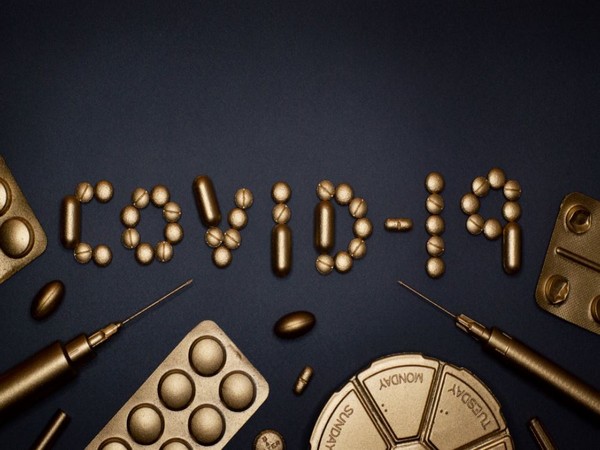
Representative Image

Washington [US], March 26 (ANI): The findings of a recent study suggested that even though the demand for COVID-19 vaccines currently seems to be high, hesitancy towards it might pose a major threat to public health efforts for ending the pandemic.
The authors of an editorial published in the journal Science, which included David A. Broniatowski, associate director of the George Washington University Institute for Data, Democracy, and Politics, pointed out that public sentiment towards vaccines is volatile in the face of events such as the recent controversy surrounding the AstraZeneca vaccine clinical trial data.
For example, some people could develop safety concerns due to the news reporting about the AstraZeneca vaccine and then turn down the chance to get an approved COVID-19 vaccine--thus putting them at risk.
Vaccine hesitant people may have anxiety over safety concerns, or they might belong to a community that historically has mistrusted the medical establishment, according to the study.
Unfortunately, public health officials might not address their concerns. The editorial noted that people who are hesitant about getting the COVID-19 vaccine are often dismissed as anti-science. At the same time, the vaccine-hesitant can be influenced by false information posted on social media or the internet by anti-vaxx activists and organised anti-vaxx groups, the authors said.
"Vaccine hesitant people are targeted by anti-vaxxers and ridiculed by some health care providers." Broniatowski said, "They are therefore doubly at risk."
How can vaccine hesitancy be addressed?
Broniatowski co-authored the editorial with Professor Heidi J. Larson, Director of The Vaccine Confidence Project at the London School of Hygiene and Tropical Medicine.
"Messages about vaccines must be delivered in a way that is empathetic to avoid stigmatising people who have questions about the vaccine. Particularly in the context of Covid-19, with all its uncertainties, people need to be reassured, and feel that their concerns are heard," Larson said.
Larson concluded, "And, if there is one thing we have learned in all our research, people's concerns can change. Listening needs to be ongoing." (ANI)


Get the App

What to Read Next

Health

The truth about ‘Eating for Two’ explained by doctors

The truth about ‘Eating for Two’ explained by doctors

Health experts warn that interpreting the advice literally can lead to excessive calorie intake, unhealthy weight gain and a higher risk of Gestational Diabetes Mellitus (GDM), a condition that affects blood sugar levels during pregnancy.

Read More
Health

High-fat keto diet may boost exercise benefits

High-fat keto diet may boost exercise benefits

A new study suggests that eating more fat rather than less could help the body gain greater benefits from exercise when blood sugar levels are high, offering an unexpected perspective on how diet and physical activity work together to support metabolic health.

Read More
Health

Pre-workout supplements may cut sleep in half for young users

Pre-workout supplements may cut sleep in half for young users

A popular fitness trend among young people may be quietly undermining their sleep. A new study led by researchers at the University of Toronto has found that teenagers and young adults who use pre-workout supplements are significantly more likely to experience extremely short sleep durations.

Read More
Health

The more you fear aging, the faster your body may age

The more you fear aging, the faster your body may age

Worrying about getting older especially fearing future health problems may actually speed up aging at the cellular level, according to new research from NYU.

Read More
Health

Scientists reveal how exercise protects brain from Alzheimer's

Scientists reveal how exercise protects brain from Alzheimer's

Exercise may sharpen the mind by repairing the brain's protective shield. Researchers found that physical activity prompts the liver to release an enzyme that removes a harmful protein, causing the blood-brain barrier to become leaky with age.

Read More
Home About Us Our Products Advertise Contact Us Terms & Condition Privacy Policy

Copyright © aninews.in | All Rights Reserved.


