Use of health apps by diabetes patients linked to improved health, lower medical costs
Washington [US], February 25 (ANI): Health apps have become a popular tool among teens and adults to track fitness, weight loss, sleep, and even menstrual cycles. But did you know mobile health applications could also benefit diabetes patients?
ANI
Feb 25, 2021 09:50 IST

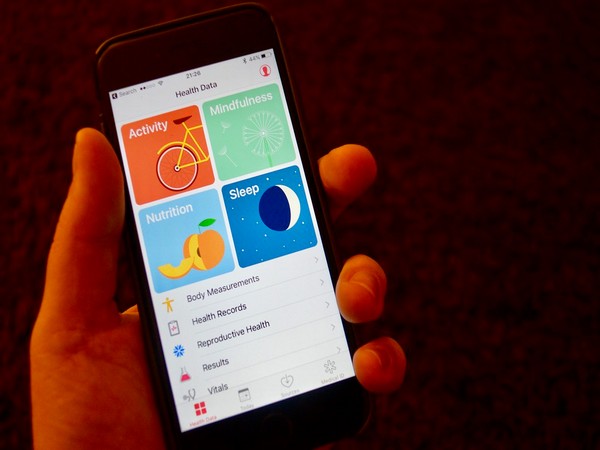
Washington [US], February 25 (ANI): Health apps have become a popular tool among teens and adults to track fitness, weight loss, sleep, and even menstrual cycles. But did you know mobile health applications could also benefit diabetes patients?
A new study has found out that the use of health apps by diabetes patients could improve health outcomes and lower medical costs. The findings of the study will be published in the journal 'MIS Quarterly', a publication of the Management Information Systems Research Center.
Emerging smart mobile health or mHealth technologies are changing the way patients track information related to diagnosed conditions. This study examined the health and economic impacts of mHealth technologies on the outcomes of diabetes patients in Asia.
The study concluded that compared to patients who did not use mHealth applications, patients who used the apps had better health outcomes and were able to regulate their health behaviour more effectively. They also had fewer hospital visits and lower medical costs.
The study was conducted by researchers at Carnegie Mellon University (CMU) and New York University (NYU).
"Given the importance of health behaviors to well-being, health outcomes, and disease processes, mHealth technologies offer significant potential to facilitate patients' lifestyle and behavior modification through patient education, improved autonomous self-regulation, and perceived competence," explained Beibei Li, professor of information systems and management at CMU's Heinz College, who co-authored the study.
The relatively new area of mHealth includes mobile computing, medical sensor, and communications technologies used for health care services (for example managing chronic diseases).
Mobile health applications can operate on smartphones, tablets, sensors, and cloud-based computing systems, all of which collect health data on individuals. The global mHealth market was estimated to have reached USD 49 billion by the end of 2020. Yet few studies have assessed the technology's effectiveness in changing patients' behaviors and outcomes.
In this study, researchers sought to determine how mHealth applications persuade individuals to modify their behavior to comply with recommended approaches to obtain certain health goals.
The researchers measured compliance by looking at detailed patient activities (for example daily walking steps, exercise time, sleeping pattern, food intake) as measured by the app, as well as general health outcomes, hospital visits, and medical expenses.
The researchers partnered with a top mHealth firm that provides one of the largest mobile health platforms in Asia specializing in diabetes care. The study randomly assigned 1,070 adult patients to different groups for three months: Some patients used the mHealth app, some did not, and some used a web-based version of the app. Among the patients in the group that used the mHealth app, some received personalized text message reminders, while others received non-personalized text messages.
Researchers interviewed all participants before the study began and five months after it ended. Among the questions asked were those about demographics, medication and medical history, blood glucose and hemoglobin levels, frequency of hospital visits, and medical costs.
The study found that patients who used the mHealth app reduced their blood glucose and hemoglobin levels, even after controlling for individual-level fixed effects. Patients who used the app also exercised more, slept more, and ate healthier food. And they had fewer hospital visits and lower medical expenses.
The authors suggested that patients' adoption of and use of the mHealth app was associated with significant behavioral modifications toward a healthier diet and lifestyle. In this way, users became more autonomously self-regulated with their health behavior, and this increasing intrinsic motivation helped them become more engaged, persistent, and stable in their behavior, which led to improved health outcomes. The mHealth platform also facilitated an increased usage of telemedicine, which in turn led to reduced hospital visits and medical expenses for the patients.
The study also found that the mHealth platform was more effective in improving patients' health outcomes than a web-based (PC) version of the same app. And non-personalized text messages tended to be more effective in changing patients' behavior than personalized messages, possibly because personalized messages can be viewed as intrusive, coercive, and annoying.
Among the study's limitations, the authors note that this study focused mainly on participants with Type II diabetes which, different from Type I diabetes or Gestational diabetes, is directly tied to dietary or lifestyle self-management. Hence, the research is not necessarily applicable to patients with other types of diabetes.
"Our findings provide important insights on the design of mHealth apps through a better understanding of patients' health behavior and interactions with the platform," suggested Anindya Ghose, professor of business at NYU's Stern School of Business, who co-authored the study.
Ghose added, "Such knowledge can be very valuable for health care mobile platform designers as well as policymakers to improve the design of smart and connected health infrastructures through sustained usage of the emerging technologies." (ANI)
Get the App