Unusual parasite metabolism, a ray of hope against drug-resistant parasites
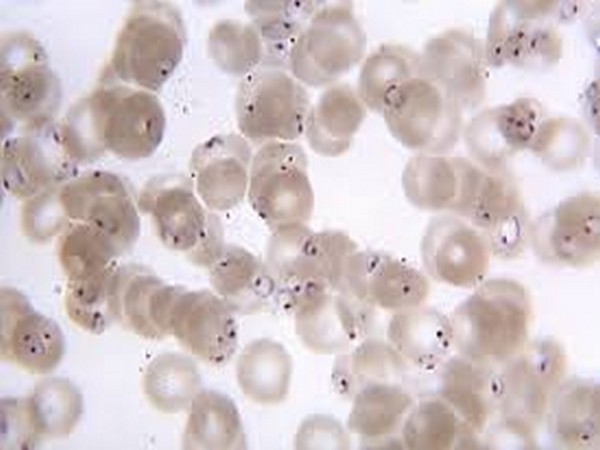
Washington D.C. [USA], July 2 (ANI): According to a report issued by World Health Organisation, it has been found that over one billion people, including 880 million children, are infected with intestinal nematode worms, such as roundworms, hookworms and tapeworms.
ANI
Jul 02, 2019 18:19 IST

Washington D.C. [USA], July 2 (ANI): According to a report issued by World Health Organisation, it has been found that over one billion people, including 880 million children, are infected with intestinal nematode worms, such as roundworms, hookworms and tapeworms.
The study was published in the journal 'eLife.'
The infections are especially common in developing countries due to a lack of clean water and sanitation. If left untreated, they can leave a lasting mark on health and can also prove to be fatal.
Andy Fraser, a professor of genetics said, "We serendipitously discovered a new way to kill these parasites without harming the human host."
"These parasites pose a major global health burden and as their resistance to the available drugs continues to grow, so does the need to develop new therapies," he says.
The research was led by three graduate students, Samantha Del Borrello, Margot Lautens and Kathleen Dolan, and in collaboration with Amy Caudy, also a professor of molecular genetics.
Fraser's team was testing their new method for unpicking how drugs affect the movement of a non-parasitic nematode, Caenorhabditis elegans, used as a stand-in for humans by researchers across the world.
The first drug they tried was cyanide because its effects are well known and they wanted to make sure the new system works. Cyanide blocks respiration and, as expected, when added to the lab dish containing the worms, it quickly paralyzed them. But to the researchers' surprise, the worms did not die. They resumed wriggling about as if nothing happened when the drug was washed out 24 hours later.
It turned out that the cyanide made the worms switch to another, unusual form of metabolism that makes energy without needing oxygen. This type of anaerobic metabolism has been known to occur in parasitic worms, allowing them to survive for long periods of time in the airless confines of the gut, or RQ.
Crucially, humans do not make RQ (energy using a molecule called rhodoquinone). That makes it a perfect target for drug development because the drugs will selectively kill the parasites without touching their human host.
But first, the researchers needed oysters. Oysters and other coastal molluscs are among the few organisms besides the nematodes that produce RQ, probably as an adaptation to changing oxygen levels brought about by tide turns. Because RQ is not commercially available, one of the researchers had to extract it from the oysters, brought from a store and later used it to optimize the mass spectrometry instrument to detect RQ in worms.
Now they tested about 80 different mutant worm strains before finding one unable to make the molecule -- and thus unable to survive in cyanide -- indicating that the mutated gene is required for RQ biosynthesis. This finding upended widely accepted ideas about how RQ is made. Most importantly, it also showed them clear ways to try to block RQ synthesis with drugs.
Del Borello is now testing thousands of compounds to find candidates that kill C.elegans drug when it's using RQ and which could be developed into new drugs against parasites.
From testing new equipment to solving parasite metabolism, the way the project turned out took everyone by surprise.
"This was not at all what we expected when we started out," says Lautens who credits the whole team for their success. "That we've been able to contribute to a field that has not seen much progress in many years is a testament to how hard everyone's been working on it with a lot of different perspectives." (ANI)
Tags:
Get the App