

ADD ANI AS A TRUSTED SOURCE
googleads
ANI Logo
Menu
Health

Tumours change their metabolism to spread more effectively: Study

Washington [US], April 17 (ANI): A new study has found that cancer cells can disrupt a metabolic pathway that breaks down fats and proteins to boost the levels of a byproduct called methylmalonic acid, thereby driving metastasis.

ANI Apr 17, 2022 12:37 IST googleads

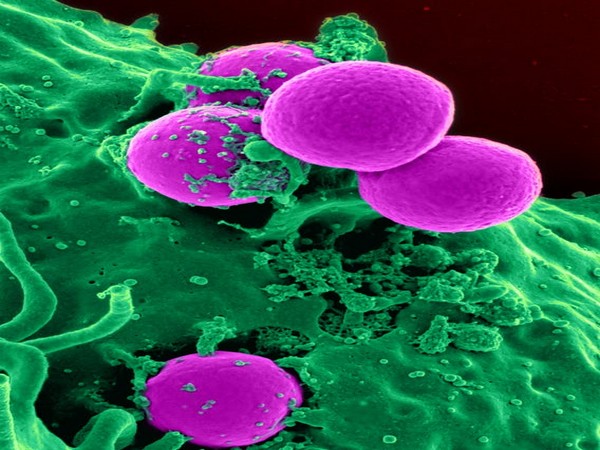
Representative image

Washington [US], April 17 (ANI): A new study has found that cancer cells can disrupt a metabolic pathway that breaks down fats and proteins to boost the levels of a byproduct called methylmalonic acid, thereby driving metastasis.
The study was published in the journal, 'Nature Metabolism'.
Scientists open a new lead for understanding how tumours metastasize or spread to other tissues and also hint at novel ways to block the cancer">spread of cancer by targeting the process.
The new results show that metastatic tumours suppress the activity of a key enzyme in propionate metabolism, the process by which cells digest certain fatty acids and protein components. Suppressing the enzyme increases the production of methylmalonic acid (MMA). That, in turn, causes the cells to become more aggressive and invasive.
Cancer is the second leading cause of death worldwide, and metastasis drives much of that mortality. Once a tumour begins to metastasize to different tissues and organs around the body, it can quickly become difficult or impossible to treat. However, researchers have made few inroads in understanding how a tumour cell acquires the ability to metastasize.
"A lot of work has been focused on primary tumour initiation and growth or examining the metastatic tumour, but to go from the primary tumour to the metastatic tumour, that transition has not been studied very extensively," said co-senior author Dr John Blenis, the Anna-Maria and Stephen Kellen Professor in Cancer Research, professor of pharmacology and associate director of the basic science of the Sandra and Edward Meyer Cancer Center at Weill Cornell Medicine.
To address that gap, Dr Blenis and his colleagues have worked for several years to characterize the metabolic changes that cells undergo during the metastatic transition. That effort previously revealed that as people age, their bodies produce more serum MMA (although the source remains unknown) and that higher MMA levels drive worse cancer outcomes. Healthy cells also produce MMA, though, so in the new study, Dr Blenis's team probed the metabolite's cancer-related activities more deeply.
"Cancer cells themselves can hijack the pathway that makes methylmalonic acid and this forms a feed-forward cycle that drives cancer progression towards more aggressive and more metastatic forms," said co-first author Dr Vivien Low, a postdoctoral fellow in Dr Blenis's lab.
The other co-first authors Dr Ana Gomes and Dr Didem Ilter were also postdoctoral fellows in the lab at the time of the study. Dr Gomes is now a faculty member and Dr Ilter is a research scientist at H. Lee Moffitt Cancer Center & Research Institute.
The discovery adds to a growing body of work showing that specific products of metabolism, called oncometabolite, can drive many aspects of cancer progression and metastasis. While the new paper focused on various models of breast cancer, Dr Low said the team is now analyzing other types of cancer cells as well, where they expect to find similar mechanisms operating. Scientists are also searching for ways to attack the process.
"Metastasis is responsible for about 80 to 90 per cent of cancer-related mortality, so if we can predict when someone has the potential to develop metastatic tumours, or treat those metastatic tumours that might have this pathway up-regulated, then we might have a very effective, novel therapy," Dr Blenis said. (ANI)


Get the App

What to Read Next

Health

The truth about ‘Eating for Two’ explained by doctors

The truth about ‘Eating for Two’ explained by doctors

Health experts warn that interpreting the advice literally can lead to excessive calorie intake, unhealthy weight gain and a higher risk of Gestational Diabetes Mellitus (GDM), a condition that affects blood sugar levels during pregnancy.

Read More
Health

High-fat keto diet may boost exercise benefits

High-fat keto diet may boost exercise benefits

A new study suggests that eating more fat rather than less could help the body gain greater benefits from exercise when blood sugar levels are high, offering an unexpected perspective on how diet and physical activity work together to support metabolic health.

Read More
Health

Pre-workout supplements may cut sleep in half for young users

Pre-workout supplements may cut sleep in half for young users

A popular fitness trend among young people may be quietly undermining their sleep. A new study led by researchers at the University of Toronto has found that teenagers and young adults who use pre-workout supplements are significantly more likely to experience extremely short sleep durations.

Read More
Health

The more you fear aging, the faster your body may age

The more you fear aging, the faster your body may age

Worrying about getting older especially fearing future health problems may actually speed up aging at the cellular level, according to new research from NYU.

Read More
Health

Scientists discover reason high altitude protects against diabete

Scientists discover reason high altitude protects against diabete

Living at high altitude appears to protect against diabetes, and scientists have finally discovered the reason. When oxygen levels drop, red blood cells switch into a new metabolic mode and absorb large amounts of glucose from the blood.

Read More
Health

Scientists reveal how exercise protects brain from Alzheimer's

Scientists reveal how exercise protects brain from Alzheimer's

Exercise may sharpen the mind by repairing the brain's protective shield. Researchers found that physical activity prompts the liver to release an enzyme that removes a harmful protein, causing the blood-brain barrier to become leaky with age.

Read More
Health

Scientists find clue to human brain evolution in finger length

Scientists find clue to human brain evolution in finger length

Human evolution has long been tied to growing brain size, and new research suggests prenatal hormones may have played a surprising role. By studying the relative lengths of the index and ring fingers, a marker of prenatal exposure to oestrogen and testosterone, researchers found that higher prenatal oestrogen exposure was associated with larger head size in newborn boys.

Read More
Health

Scientists solve a major roadblock in cancer cell therapy: Study 

Scientists solve a major roadblock in cancer cell therapy: Study 

Researchers have found a reliable way to grow helper T cells from stem cells, solving a major challenge in immune-based cancer therapy. Helper T cells act as the immune system's coordinators, helping other immune cells fight longer and harder.

Read More
Health

Swedish study reveals when fitness and strength begin to fade

Swedish study reveals when fitness and strength begin to fade

A long-running Swedish study has followed adults for nearly five decades, uncovering when physical decline truly begins. Fitness and strength start slipping around age 35, then worsen gradually with age.

Read More
Health

Scientists find hidden synapse hotspots in the teen brain: Study

Scientists find hidden synapse hotspots in the teen brain: Study

The scientists have discovered that the adolescent brain does more than prune old connections. During the teen years, it actively builds dense new clusters of synapses in specific parts of neurons.

Read More
Home About Us Our Products Advertise Contact Us Terms & Condition Privacy Policy

Copyright © aninews.in | All Rights Reserved.


