ADD ANI AS A TRUSTED SOURCE
googleads
ANI Logo
Menu
Health

This new year, add a little zinc to your diet

Washington D.C. [USA], Jan. 3 (ANI): Add a modest amount of zinc in your diet to reduce 'wear and tear' on DNA, suggests a study.

ANI Jan 03, 2017 18:32 IST googleads

This new year, add a little zinc to your diet
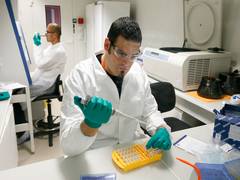
Washington D.C. [USA], Jan. 3 (ANI): Add a modest amount of zinc in your diet to reduce 'wear and tear' on DNA, suggests a study. The study has been published in the American Journal of Clinical Nutrition. Researchers from the UCSF Benioff Children's Hospital Research Institute (CHORI) show that a modest 4 milligrams of extra zinc a day in the diet can have a profound, positive impact on cellular health that helps fight infections and diseases. This amount of zinc is equivalent to what biofortified crops like zinc rice and zinc wheat can add to the diet of vulnerable, nutrient deficient populations. CHORI Senior Scientist Janet King, PhD. King and her team are the first to show that a modest increase in dietary zinc reduces oxidative stress and damage to DNA. "We were pleasantly surprised to see that just a small increase in dietary zinc can have such a significant impact on how metabolism is carried out throughout the body," says King. "These results present a new strategy for measuring the impact of zinc on health and reinforce the evidence that food-based interventions can improve micronutrient deficiencies worldwide." Zinc is ubiquitous in our body and facilitates many functions that are essential for preserving life. It plays a vital role in maintaining optimal childhood growth, and in ensuring a healthy immune system. Zinc also helps limit inflammation and oxidative stress in our body, which are associated with the onset of chronic cardiovascular diseases and cancers. Around much of the world, many households eat polished white rice or highly refined wheat or maize flours, which provide energy but do not provide enough essential micronutrients such as zinc. Zinc is an essential part of nearly 3,000 different proteins, and it impacts how these proteins regulate every cell in our body. In the absence of sufficient zinc, our ability to repair everyday wear and tear on our DNA is compromised. In the randomized, controlled, six-week study the scientists measured the impact of zinc on human metabolism by counting DNA strand breaks. They used the parameter of DNA damage to examine the influence of a moderate amount of zinc on healthy living. This was a novel approach, different from the commonly used method of looking at zinc in the blood or using stunting and morbidity for assessing zinc status. According to King, these results are relevant to the planning and evaluation of food-based solutions for mitigating the impact of hidden hunger and malnutrition. King believes that biofortification can be a sustainable, long-term solution to zinc deficiency. (ANI)

Get the App

What to Read Next

Health

High-fat keto diet may boost exercise benefits

High-fat keto diet may boost exercise benefits

A new study suggests that eating more fat rather than less could help the body gain greater benefits from exercise when blood sugar levels are high, offering an unexpected perspective on how diet and physical activity work together to support metabolic health.

Read More
Health

Pre-workout supplements may cut sleep in half for young users

Pre-workout supplements may cut sleep in half for young users

A popular fitness trend among young people may be quietly undermining their sleep. A new study led by researchers at the University of Toronto has found that teenagers and young adults who use pre-workout supplements are significantly more likely to experience extremely short sleep durations.

Read More
Health

The more you fear aging, the faster your body may age

The more you fear aging, the faster your body may age

Worrying about getting older especially fearing future health problems may actually speed up aging at the cellular level, according to new research from NYU.

Read More
Health

Scientists discover reason high altitude protects against diabete

Scientists discover reason high altitude protects against diabete

Living at high altitude appears to protect against diabetes, and scientists have finally discovered the reason. When oxygen levels drop, red blood cells switch into a new metabolic mode and absorb large amounts of glucose from the blood.

Read More
Health

Scientists reveal how exercise protects brain from Alzheimer's

Scientists reveal how exercise protects brain from Alzheimer's

Exercise may sharpen the mind by repairing the brain's protective shield. Researchers found that physical activity prompts the liver to release an enzyme that removes a harmful protein, causing the blood-brain barrier to become leaky with age.

Read More
Health

Scientists find clue to human brain evolution in finger length

Scientists find clue to human brain evolution in finger length

Human evolution has long been tied to growing brain size, and new research suggests prenatal hormones may have played a surprising role. By studying the relative lengths of the index and ring fingers, a marker of prenatal exposure to oestrogen and testosterone, researchers found that higher prenatal oestrogen exposure was associated with larger head size in newborn boys.

Read More
Health

MRI scans show exercise can make the brain look younger

MRI scans show exercise can make the brain look younger

New research suggests that consistent aerobic exercise can help keep your brain biologically younger. Adults who exercised regularly for a year showed brains that appeared nearly a year younger than those who didn't change their habits.

Read More
Health

Scientists solve a major roadblock in cancer cell therapy: Study 

Scientists solve a major roadblock in cancer cell therapy: Study 

Researchers have found a reliable way to grow helper T cells from stem cells, solving a major challenge in immune-based cancer therapy. Helper T cells act as the immune system's coordinators, helping other immune cells fight longer and harder.

Read More
Health

Swedish study reveals when fitness and strength begin to fade

Swedish study reveals when fitness and strength begin to fade

A long-running Swedish study has followed adults for nearly five decades, uncovering when physical decline truly begins. Fitness and strength start slipping around age 35, then worsen gradually with age.

Read More
Health

Scientists find hidden synapse hotspots in the teen brain: Study

Scientists find hidden synapse hotspots in the teen brain: Study

The scientists have discovered that the adolescent brain does more than prune old connections. During the teen years, it actively builds dense new clusters of synapses in specific parts of neurons.

Read More
Home About Us Our Products Advertise Contact Us Terms & Condition Privacy Policy

Copyright © aninews.in | All Rights Reserved.