ADD ANI AS A TRUSTED SOURCE
googleads
Menu
Health

This behaviour of blood vessels of brain in zebrafish might explain some forms of stroke in humans

Washington D.C. [USA], June 23 (ANI): Scientists have discovered a unique behaviour (kugeln) of brain's blood vessels in zebrafish which could probably give an insight into some forms of stroke in humans.

ANI Jun 23, 2019 16:19 IST googleads

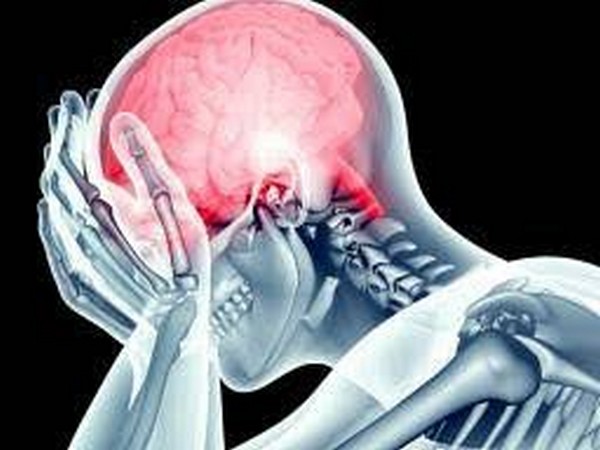
Representative Image

Washington D.C. [USA], June 23 (ANI): Scientists have discovered a unique behaviour (kugeln) of brain's blood vessels in zebrafish which could probably give an insight into some forms of stroke in humans.
The study was published in the journal 'EMBO Reports'.
No cell has ever been shown to develop kugeln in the past, possibly because they are easily mistaken for normal blood vessels. Kugeln contains a molecule called nitric oxide which is essential for the health of blood vessels.
Tim Chico, lead author of the study said, "Stroke is a devastating disease that affects millions of people and their families each year across the world. It is extremely exciting to discover an entirely new process that only happens in brain blood vessels because this might explain why some mutations cause stroke but not diseases of other arteries."
Some forms of stroke are caused by mutations in genes which the Sheffield researchers have shown are required to form kugeln.
Although the function of kugeln is not yet fully understood, this link to genetic forms of stroke could provide new insights into neurological and cardiovascular research.
"If we can discover the function of kugeln, we may be able to manipulate them to reduce the effects of stroke," Chico added.
Elisabeth Kugler, the main author of the study said, "The finding of kugeln highlights the need for basic research to understand the mechanisms of development and disease."
"We share 70 per cent of our genes with zebrafish. Therefore, zebrafish are hugely important for understanding processes that can lead to human disease," said Kugler.
The next step for researchers is to establish whether kugeln are present in human brains as well as gaining a deeper understanding of the mechanisms and functions of kugeln. (ANI)

Get the App

What to Read Next

Health

Scientists discover reason high altitude protects against diabete

Scientists discover reason high altitude protects against diabete

Living at high altitude appears to protect against diabetes, and scientists have finally discovered the reason. When oxygen levels drop, red blood cells switch into a new metabolic mode and absorb large amounts of glucose from the blood.

Read More
Health

Scientists reveal how exercise protects brain from Alzheimer's

Scientists reveal how exercise protects brain from Alzheimer's

Exercise may sharpen the mind by repairing the brain's protective shield. Researchers found that physical activity prompts the liver to release an enzyme that removes a harmful protein, causing the blood-brain barrier to become leaky with age.

Read More
Health

Scientists find clue to human brain evolution in finger length

Scientists find clue to human brain evolution in finger length

Human evolution has long been tied to growing brain size, and new research suggests prenatal hormones may have played a surprising role. By studying the relative lengths of the index and ring fingers, a marker of prenatal exposure to oestrogen and testosterone, researchers found that higher prenatal oestrogen exposure was associated with larger head size in newborn boys.

Read More
Health

Scientists solve a major roadblock in cancer cell therapy: Study 

Scientists solve a major roadblock in cancer cell therapy: Study 

Researchers have found a reliable way to grow helper T cells from stem cells, solving a major challenge in immune-based cancer therapy. Helper T cells act as the immune system's coordinators, helping other immune cells fight longer and harder.

Read More
Health

Scientists find hidden synapse hotspots in the teen brain: Study

Scientists find hidden synapse hotspots in the teen brain: Study

The scientists have discovered that the adolescent brain does more than prune old connections. During the teen years, it actively builds dense new clusters of synapses in specific parts of neurons.

Read More
Home About Us Our Products Advertise Contact Us Terms & Condition Privacy Policy

Copyright © aninews.in | All Rights Reserved.