Study suggests mechanism to wake up sleeping bacteria to fight infections
Washington D.C. [USA], July 20 (ANI): Researchers have discovered a mechanism to wake up sleepy bacteria to combat chronic infections. These sleeping bacteria are called 'persisters' and can be found in every type of bacterial population studied so far, including important human pathogens.
ANI
Jul 20, 2019 22:08 IST

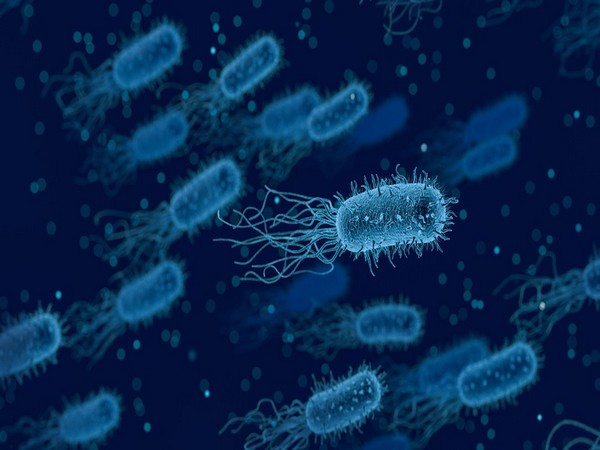
Washington D.C. [USA], July 20 (ANI): Researchers have discovered a mechanism to wake up sleepy bacteria to combat chronic infections. These sleeping bacteria are called 'persisters' and can be found in every type of bacterial population studied so far, including important human pathogens.
From a patient's point of view, persisters are unwanted as their sleeping state makes them insensitive to antibiotics. These sleeping bacteria may wake up spontaneously and colonise the host leading to a return of the infection.
Hence, persisters are associated with the failure of antibiotic therapy when they are not killed by the immune system. Until now, it was unknown how these cells were able to revert from dormant to the active state. These new results provide insight into how persisters wake up.
To investigate how persisters wake up, the scientists used small cousin of proteins, which is known to promote the development of persister cells by forming pores in the bacterial cell membrane. This results in a rapid loss of energy, pushing the bacteria into a low energy state or deep sleep.
Importantly, this pore formation is only possible when two HokB peptides are linked together. The awakening of these sleeping bacteria is possible only when the link between the peptides is broken. This, in turn, breaks up the pore. Only when the pore is degraded, cells are able to energise again by consuming available nutrients.
"You can compare this process with a punctured tire: you take out the spike first, and then inflate it again. Doing it the other way around does not make sense," said the lead author of the study Dorien Wilmaerts.
The study has been published in the journal of Molecular Cell.
Persister cells are responsible for chronic infections that keep returning. Examples are urinary tract infections by Escherichia coli, lung infections in cystic fibrosis patients by Pseudomonas aeruginosa, or tuberculosis by Mycobacterium tuberculosis.
How persister cells wake up is a long-standing question in persistence research. This work is the first to provide a detailed mechanistic understanding of an awakening mechanism and opens up new perspectives on how to stimulate the awakening of deeply dormant cells.
"Results from this work may help us to discover novel molecules and to design new strategies to eradicate persisters. Combinations of molecules stimulating awakening together with classical antibiotics could eradicate chronic infections," said one of the researchers of the study Prof Jan Michiels. (ANI)
Get the App