

ADD ANI AS A TRUSTED SOURCE
googleads
ANI Logo
Menu
Health

Study suggests housing status influenced pandemic mental health issues

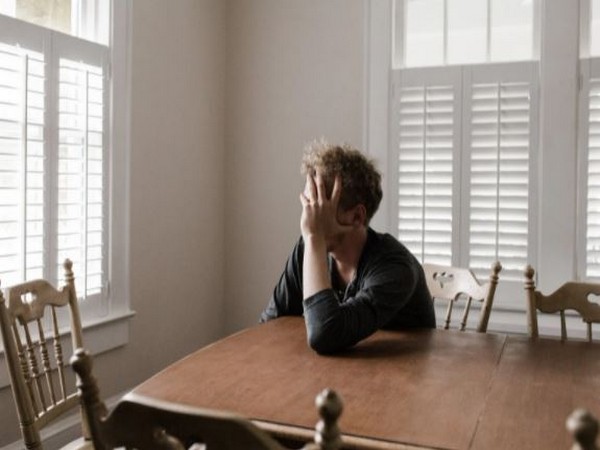
Washington [US], October 4 (ANI): The findings of new research from the University of Georgia suggest that in terms of mental health, apartment-dwelling Americans, especially those living alone, might have suffered more mental health problems during the COVID-19 pandemic than those living with their families in the suburbs.

ANI Oct 04, 2021 23:41 IST googleads

Representative Image

Washington [US], October 4 (ANI): The findings of new research from the University of Georgia suggest that in terms of mental health, apartment-dwelling Americans, especially those living alone, might have suffered more mental health problems during the COVID-19 pandemic than those living with their families in the suburbs.
Published in the International Journal of Environmental Research and Public Health, the study showed that individuals living in multifamily housing units, like apartment complexes, were more likely to experience mental health problems than people in standalone homes or condos. Renters also had higher odds of experiencing mental health issues during the pandemic than those homeowners.
"I fervently believe that your housing environment can have some kind of impact on your mental health, especially during COVID," said Andy Carswell, a professor in the College of Family and Consumer Sciences. Research has shown that renters, particularly those living in high-density complexes, are more prone to mental health crises in general, but the pandemic appeared to compound that effect.
"In most renter environments, the resident doesn't have as much control as he or she would like," Carswell said. Noisy neighbours, outdoor space, even whether the resident can own pets all depend on the rental company's rules. "When you don't have control, that can wear on your mental health, cause anxiety and make you a little more depressed."
As social opportunities dried up, people living solo had a harder time mentally coping than those who lived with family members.
"One side of the coin is that sense of relief--'I live alone.' There's a much smaller chance of me getting the virus if I live alone,'" Carswell said. "But there's a loneliness epidemic out there too. According to our data, your mental health gets better as more people enter the picture: The more people in the housing unit, the better people's mental health was."
High-density apartment complexes caused stress
The researchers relied on data from the Household Pulse Survey, a randomized online survey from the Census Bureau that collected information on how people's lives have been impacted by the coronavirus pandemic. On average, over 80,000 households per week participated, with more than 1.5 million total participants over the study period.
The survey included a variety of questions, including employment status, food security and job security. Participants were also asked about how often they felt depressed, anxious or worried over the past week.
For renters, a variety of factors likely came into play. Tighter living quarters in high-density buildings means an increased likelihood of running into someone in the hall and possibly being exposed to the virus. Rounds of lockdowns meant more people were staying home 24/7, potentially upping the probability of interaction with others in the building as well.
Using traditional amenities like apartment gyms or pools became a calculated risk--if they weren't closed by management to curb the spread.
Renters also typically have moderate to low incomes, and the pandemic likely exacerbated already existing financial anxieties. The possibility of eviction was an ever-present threat until moratoriums were passed.
Mental wellness certification
Regardless of a participant's housing situation, mental health issues were pervasive throughout all residential units.
A mental wellness certification program for rental buildings does exist. Based on academic research studies, the Fitwel certification system was originally created by the CDC to improve health and well-being in buildings and communities. But extensive protocols for protecting residents' mental health are still fairly rare.
"The big takeaway is that--no surprise--housing matters," Carswell said. "In defining one of the problems of the many layers of problems that COVID brings, mental health has really been a hidden aspect of this whole pandemic." (ANI)


Get the App

What to Read Next

Health

The truth about ‘Eating for Two’ explained by doctors

The truth about ‘Eating for Two’ explained by doctors

Health experts warn that interpreting the advice literally can lead to excessive calorie intake, unhealthy weight gain and a higher risk of Gestational Diabetes Mellitus (GDM), a condition that affects blood sugar levels during pregnancy.

Read More
Health

High-fat keto diet may boost exercise benefits

High-fat keto diet may boost exercise benefits

A new study suggests that eating more fat rather than less could help the body gain greater benefits from exercise when blood sugar levels are high, offering an unexpected perspective on how diet and physical activity work together to support metabolic health.

Read More
Health

Pre-workout supplements may cut sleep in half for young users

Pre-workout supplements may cut sleep in half for young users

A popular fitness trend among young people may be quietly undermining their sleep. A new study led by researchers at the University of Toronto has found that teenagers and young adults who use pre-workout supplements are significantly more likely to experience extremely short sleep durations.

Read More
Health

The more you fear aging, the faster your body may age

The more you fear aging, the faster your body may age

Worrying about getting older especially fearing future health problems may actually speed up aging at the cellular level, according to new research from NYU.

Read More
Health

Scientists reveal how exercise protects brain from Alzheimer's

Scientists reveal how exercise protects brain from Alzheimer's

Exercise may sharpen the mind by repairing the brain's protective shield. Researchers found that physical activity prompts the liver to release an enzyme that removes a harmful protein, causing the blood-brain barrier to become leaky with age.

Read More
Health

MRI scans show exercise can make the brain look younger

MRI scans show exercise can make the brain look younger

New research suggests that consistent aerobic exercise can help keep your brain biologically younger. Adults who exercised regularly for a year showed brains that appeared nearly a year younger than those who didn't change their habits.

Read More
Health

Swedish study reveals when fitness and strength begin to fade

Swedish study reveals when fitness and strength begin to fade

A long-running Swedish study has followed adults for nearly five decades, uncovering when physical decline truly begins. Fitness and strength start slipping around age 35, then worsen gradually with age.

Read More
Health

Memory loss can suddenly speed up with age: Study

Memory loss can suddenly speed up with age: Study

A massive international brain study has revealed that memory decline with age isn't driven by a single brain region or gene, but by widespread structural changes across the brain that build up over time.

Read More
Health

Injection turns sleeping tumour immune cells into cancer fighters

Injection turns sleeping tumour immune cells into cancer fighters

The Korea Advanced Institute of Science and Technology (KAIST) researchers have developed a way to reprogram immune cells already inside tumours into cancer-killing machines.

Read More
Health

Eating more vitamin C can physically change your skin

Eating more vitamin C can physically change your skin

Scientists discovered that vitamin C from food travels through the bloodstream into every layer of the skin, boosting collagen and skin renewal.

Read More
Home About Us Our Products Advertise Contact Us Terms & Condition Privacy Policy

Copyright © aninews.in | All Rights Reserved.
