

ADD ANI AS A TRUSTED SOURCE
googleads
Menu
Health

Study suggests higher red cell transfusion threshold offers no advantage for treating preterm infants

Washington [US], December 31 (ANI): Very low birth weight infants often need blood transfusions to survive. A National Institutes of Health-funded study suggests that providing a higher threshold of red cells within accepted limits offers no advantage in survival or reduction in neurological impairment over a lower threshold.

ANI Dec 31, 2020 08:59 IST googleads

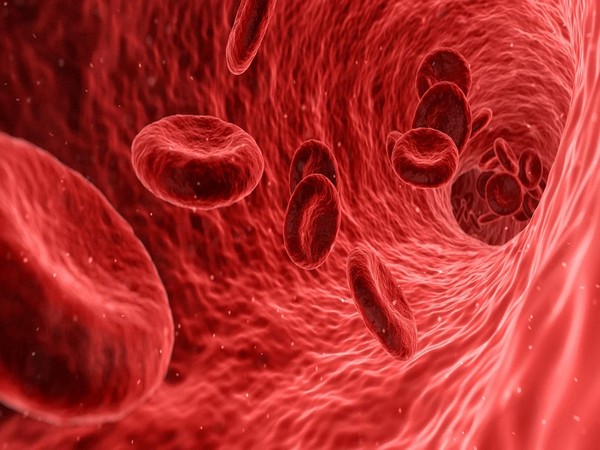
Representative image

Washington [US], December 31 (ANI): Very low birth weight infants often need blood transfusions to survive. A National Institutes of Health-funded study suggests that providing a higher threshold of red cells within accepted limits offers no advantage in survival or reduction in neurological impairment over a lower threshold.
The research was conducted by Haresh Kirpalani, B.M., of the University of Pennsylvania, Philadelphia, and colleagues and was funded by the NIH's Eunice Kennedy Shriver National Institute of Child Health and Human Development (NICHD), National Heart, Lung, and Blood Institute, and National Center for Advancing Translational Sciences. The study appears in The New England Journal of Medicine.
Very preterm infants (born before 29 weeks of pregnancy) and those weighing less than 1,000 grams (slightly more than 2 pounds) are at high risk for anaemia because of their early stage of development, reduced ability to produce red blood cells and need for increased blood sampling as part of their intensive medical care. Previous studies suggest that anaemic infants would have a lower risk of death, cognitive delay, cerebral palsy and hearing and vision loss if they received transfusions leading to higher haemoglobin thresholds within the currently accepted range. Measuring haemoglobin, a protein produced in red blood cells, indicates the proportion of red blood cells. Haemoglobin transfusion thresholds for preterm infants vary according to weight, stage of maturity and other factors.
Of 845 infants assigned to a higher haemoglobin threshold, 50.1% died or survived with neurodevelopmental impairment, compared to 49.8% of 847 infants assigned to a lower threshold. When the two-component outcomes were evaluated separately, the two groups also had similar rates of death (16.2% vs. 15%) and of neurodevelopmental impairment (39.6% vs 40.3%). The authors conclude that a higher haemoglobin threshold increased the number of transfusions, but did not improve the chance of survival without neurodevelopmental impairment. (ANI)


Get the App

What to Read Next

Health

The truth about ‘Eating for Two’ explained by doctors

The truth about ‘Eating for Two’ explained by doctors

Health experts warn that interpreting the advice literally can lead to excessive calorie intake, unhealthy weight gain and a higher risk of Gestational Diabetes Mellitus (GDM), a condition that affects blood sugar levels during pregnancy.

Read More
Health

High-fat keto diet may boost exercise benefits

High-fat keto diet may boost exercise benefits

A new study suggests that eating more fat rather than less could help the body gain greater benefits from exercise when blood sugar levels are high, offering an unexpected perspective on how diet and physical activity work together to support metabolic health.

Read More
Health

Pre-workout supplements may cut sleep in half for young users

Pre-workout supplements may cut sleep in half for young users

A popular fitness trend among young people may be quietly undermining their sleep. A new study led by researchers at the University of Toronto has found that teenagers and young adults who use pre-workout supplements are significantly more likely to experience extremely short sleep durations.

Read More
Health

The more you fear aging, the faster your body may age

The more you fear aging, the faster your body may age

Worrying about getting older especially fearing future health problems may actually speed up aging at the cellular level, according to new research from NYU.

Read More
Health

Scientists discover reason high altitude protects against diabete

Scientists discover reason high altitude protects against diabete

Living at high altitude appears to protect against diabetes, and scientists have finally discovered the reason. When oxygen levels drop, red blood cells switch into a new metabolic mode and absorb large amounts of glucose from the blood.

Read More
Home About Us Our Products Advertise Contact Us Terms & Condition Privacy Policy

Copyright © aninews.in | All Rights Reserved.
