

ADD ANI AS A TRUSTED SOURCE
googleads
ANI Logo
Menu
Health

Study reveals we still don't know which factors most affect cognitive decline as we age

A new analysis explores relative statistical associations between various life factors and cognitive decline in elderly Americans, highlighting gaps in knowledge needed to reduce cognitive decline. Hui Zheng of the Ohio State University, U.S., and colleagues present these findings in the open-access journal PLOS ONE.

ANI Feb 09, 2023 08:38 IST googleads

Representative Image

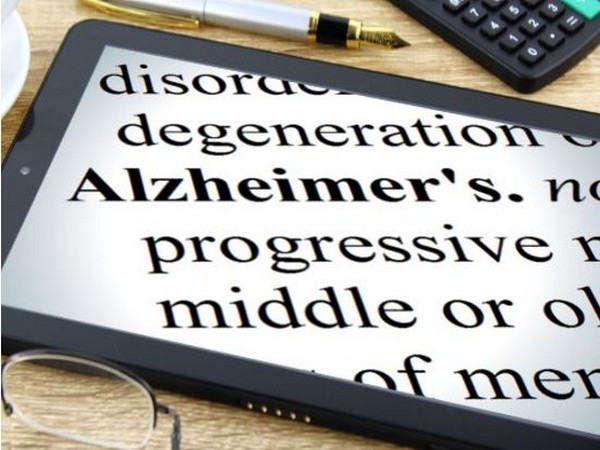
Ohio [US], February 9 (ANI): Millions of older Americans are suffering from cognitive impairment. However, dementia--an abnormal decline caused by illnesses such as Alzheimer's, cerebrovascular disease, and Lewy body disease--can account for only around 41 per cent of this decrease statistically. Prior research has discovered several other factors that may also contribute to cognitive decline, ranging from genetics to early childhood nutrition, but the proportional importance of these factors remains unknown.
A new study investigates the relative statistical correlations between numerous life circumstances and cognitive decline in senior Americans, emphasising knowledge gaps that must be filled in order to decrease cognitive decline. Hui Zheng of Ohio State University in the United States and colleagues will publish their findings in the open-access journal PLOS ONE.
To shed new light, Zheng and colleagues analyzed data from 7,068 American adults born between 1931 and 1941 who were part of a larger study--the Health and Retirement Study--that regularly measured their cognitive function from 1996 to 2016. The study also collected extensive information on personal factors that could contribute to cognitive declines, such as socioeconomic factors, physical health measures, and behaviours including exercise and smoking.
Together, the many factors considered in the study statistically accounted for 38 per cent of the variation between participants in their level of cognitive function at age 54. Among those factors, personal education, race, household wealth and income, occupation, level of depression, and parental education were the biggest statistical contributors to that population-level variation, with early life conditions and adult behaviours and diseases contributing less.
However, all of the considered factors accounted for only 5.6 per cent of the variation in how participants' cognitive function changed with age.
Unlike many prior studies, this study also distinguished between age-related cognitive decline and cognitive decline that is unrelated to getting older. Age accounted for 23 per cent of the variation in how cognitive function changed from age 54 to 85, but the remaining 77 per cent could not be statistically accounted for by the many factors considered.
These findings suggest that more research is needed to identify the major factors contributing to the rate of cognitive decline, which could help inform medical treatments, policies, and equity-based strategies to slow the decline.
Hui Zheng adds: "Adulthood socioeconomic conditions have a predominant role in shaping the level of cognitive functioning. Future research is urgently needed to discover the main determinants of the slope of decline to slow down the progression of cognitive impairment and dementia."
Kathleen Cagney adds: "Understanding cognitive health, and cognitive decline, is paramount. We must take the long view, with attention to the timing and nature of life experiences, if we are to gain fundamental insights that can inform care and treatment." (ANI)


Get the App

What to Read Next

Health

High-fat keto diet may boost exercise benefits

High-fat keto diet may boost exercise benefits

A new study suggests that eating more fat rather than less could help the body gain greater benefits from exercise when blood sugar levels are high, offering an unexpected perspective on how diet and physical activity work together to support metabolic health.

Read More
Health

Pre-workout supplements may cut sleep in half for young users

Pre-workout supplements may cut sleep in half for young users

A popular fitness trend among young people may be quietly undermining their sleep. A new study led by researchers at the University of Toronto has found that teenagers and young adults who use pre-workout supplements are significantly more likely to experience extremely short sleep durations.

Read More
Health

The more you fear aging, the faster your body may age

The more you fear aging, the faster your body may age

Worrying about getting older especially fearing future health problems may actually speed up aging at the cellular level, according to new research from NYU.

Read More
Health

Scientists discover reason high altitude protects against diabete

Scientists discover reason high altitude protects against diabete

Living at high altitude appears to protect against diabetes, and scientists have finally discovered the reason. When oxygen levels drop, red blood cells switch into a new metabolic mode and absorb large amounts of glucose from the blood.

Read More
Health

Scientists find clue to human brain evolution in finger length

Scientists find clue to human brain evolution in finger length

Human evolution has long been tied to growing brain size, and new research suggests prenatal hormones may have played a surprising role. By studying the relative lengths of the index and ring fingers, a marker of prenatal exposure to oestrogen and testosterone, researchers found that higher prenatal oestrogen exposure was associated with larger head size in newborn boys.

Read More
Health

MRI scans show exercise can make the brain look younger

MRI scans show exercise can make the brain look younger

New research suggests that consistent aerobic exercise can help keep your brain biologically younger. Adults who exercised regularly for a year showed brains that appeared nearly a year younger than those who didn't change their habits.

Read More
Health

Swedish study reveals when fitness and strength begin to fade

Swedish study reveals when fitness and strength begin to fade

A long-running Swedish study has followed adults for nearly five decades, uncovering when physical decline truly begins. Fitness and strength start slipping around age 35, then worsen gradually with age.

Read More
Health

Scientists find hidden synapse hotspots in the teen brain: Study

Scientists find hidden synapse hotspots in the teen brain: Study

The scientists have discovered that the adolescent brain does more than prune old connections. During the teen years, it actively builds dense new clusters of synapses in specific parts of neurons.

Read More
Health

Memory loss can suddenly speed up with age: Study

Memory loss can suddenly speed up with age: Study

A massive international brain study has revealed that memory decline with age isn't driven by a single brain region or gene, but by widespread structural changes across the brain that build up over time.

Read More
Health

Scientists found a way to help ageing guts heal themselves

Scientists found a way to help ageing guts heal themselves

Researchers have discovered a way to help aging intestines heal themselves using CAR T-cell therapy. By targeting senescent cells that build up over time, the treatment boosted gut regeneration, reduced inflammation, and improved nutrient absorption in mice.

Read More
Home About Us Our Products Advertise Contact Us Terms & Condition Privacy Policy

Copyright © aninews.in | All Rights Reserved.


