

ADD ANI AS A TRUSTED SOURCE
googleads
ANI Logo
Menu
Health

Study reveals optimism reduces stroke severity, inflammation

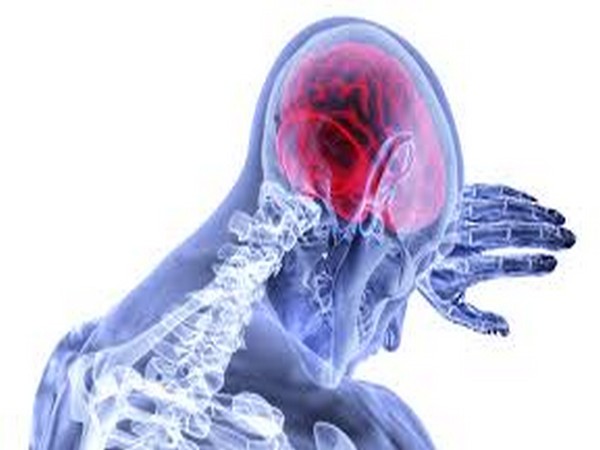
Washington D.C. [USA], Feb 12 (ANI): Stroke survivors with high levels of optimism had lower inflammation levels, reduced stroke severity and less physical disability after three months as compared to those who are less optimistic, says a recent study.

ANI Feb 12, 2020 19:57 IST googleads

Post-stroke inflammation is detrimental to the brain and impairs recovery. Optimism has been associated with lower inflammation levels.

Washington D.C. [USA], Feb 12 (ANI): Stroke survivors with high levels of optimism had lower inflammation levels, reduced stroke severity and less physical disability after three months as compared to those who are less optimistic, says a recent study.
The preliminary research was published in the journal of NIH/National Institute of Neurological Disorders and Stroke.
In a small study of 49 stroke survivors, researchers examined the relationship between optimism, inflammation, stroke severity and physical disability for three months after a stroke.
Researchers said that understanding how these elements relate to or impact one another may provide a scientific framework to develop new strategies for stroke recovery.
"Our results suggest that optimistic people have a better disease outcome, thus boosting morale may be an ideal way to improve mental health and recovery after a stroke," said Yun-Ju Lai, PhD, MS, RN, the study's first author and a postdoctoral fellow in the neurology department at The University of Texas Health Science Center at Houston.
Post-stroke inflammation is detrimental to the brain and impairs recovery. Optimism has been associated with lower inflammation levels and improved health outcomes among people with medical conditions, however, no prior studies assessed if this association exists among stroke patients.
This pilot study is a secondary analysis of data collected from a repository of neurological diseases. Outcomes included optimism levels from the revised Life Orientation Test, a standard psychological tool for measuring optimism; stroke severity evaluation through the National Institutes of Health Stroke Scale, and levels of inflammatory markers--interleukin-6 (IL-6), tumour necrosis factor-alpha (TNFa) and C-reactive protein (CRP).
As optimism levels increased, stroke severity and the inflammatory markers IL-6 and CRP decreased even after considering other possible variables. However, this was not true of TNFa.
"Patients and their families should know the importance of a positive environment that could benefit the patient," Lai said. "Mental health does affect recovery after a stroke."
"Although immigrant men also face many of these settlement problems, they were not at elevated risk of distress compared to their Canadian-born peers," says co-author Karen Kobayashi, Professor in the Department of Sociology and a Research Affiliate at the Institute on Aging & Lifelong Health at the University of Victoria.
"One idea we hope to explore in future research is whether these gender differences could be due to the fact that the husbands initiated the immigration process and the wives may have had limited or no say in the decision to leave their homeland."
The study team analySed data from the Canadian Longitudinal Study on Ageing which included 25,834 men and women aged 45-85 years. The article was published this month in the Journal of Affective Disorders.
"The team's findings suggest that policies and health care practices should aim to reduce nutrition risk, improve diet quality, address chronic pain and health problems and poverty among those experiencing poor mental health," adds Dr Davison.
"Given that mental health conditions place a large burden of disability worldwide, such program and policy changes are becoming critically important." (ANI)

Get the App

What to Read Next

Health

The truth about ‘Eating for Two’ explained by doctors

The truth about ‘Eating for Two’ explained by doctors

Health experts warn that interpreting the advice literally can lead to excessive calorie intake, unhealthy weight gain and a higher risk of Gestational Diabetes Mellitus (GDM), a condition that affects blood sugar levels during pregnancy.

Read More
Health

High-fat keto diet may boost exercise benefits

High-fat keto diet may boost exercise benefits

A new study suggests that eating more fat rather than less could help the body gain greater benefits from exercise when blood sugar levels are high, offering an unexpected perspective on how diet and physical activity work together to support metabolic health.

Read More
Health

Pre-workout supplements may cut sleep in half for young users

Pre-workout supplements may cut sleep in half for young users

A popular fitness trend among young people may be quietly undermining their sleep. A new study led by researchers at the University of Toronto has found that teenagers and young adults who use pre-workout supplements are significantly more likely to experience extremely short sleep durations.

Read More
Health

The more you fear aging, the faster your body may age

The more you fear aging, the faster your body may age

Worrying about getting older especially fearing future health problems may actually speed up aging at the cellular level, according to new research from NYU.

Read More
Health

Scientists discover reason high altitude protects against diabete

Scientists discover reason high altitude protects against diabete

Living at high altitude appears to protect against diabetes, and scientists have finally discovered the reason. When oxygen levels drop, red blood cells switch into a new metabolic mode and absorb large amounts of glucose from the blood.

Read More
Health

Scientists reveal how exercise protects brain from Alzheimer's

Scientists reveal how exercise protects brain from Alzheimer's

Exercise may sharpen the mind by repairing the brain's protective shield. Researchers found that physical activity prompts the liver to release an enzyme that removes a harmful protein, causing the blood-brain barrier to become leaky with age.

Read More
Health

Scientists find clue to human brain evolution in finger length

Scientists find clue to human brain evolution in finger length

Human evolution has long been tied to growing brain size, and new research suggests prenatal hormones may have played a surprising role. By studying the relative lengths of the index and ring fingers, a marker of prenatal exposure to oestrogen and testosterone, researchers found that higher prenatal oestrogen exposure was associated with larger head size in newborn boys.

Read More
Health

MRI scans show exercise can make the brain look younger

MRI scans show exercise can make the brain look younger

New research suggests that consistent aerobic exercise can help keep your brain biologically younger. Adults who exercised regularly for a year showed brains that appeared nearly a year younger than those who didn't change their habits.

Read More
Health

Scientists solve a major roadblock in cancer cell therapy: Study 

Scientists solve a major roadblock in cancer cell therapy: Study 

Researchers have found a reliable way to grow helper T cells from stem cells, solving a major challenge in immune-based cancer therapy. Helper T cells act as the immune system's coordinators, helping other immune cells fight longer and harder.

Read More
Health

Swedish study reveals when fitness and strength begin to fade

Swedish study reveals when fitness and strength begin to fade

A long-running Swedish study has followed adults for nearly five decades, uncovering when physical decline truly begins. Fitness and strength start slipping around age 35, then worsen gradually with age.

Read More
Home About Us Our Products Advertise Contact Us Terms & Condition Privacy Policy

Copyright © aninews.in | All Rights Reserved.




