

ADD ANI AS A TRUSTED SOURCE
googleads
Menu
Health

Study reveals new molecule that inhibits drug-resistant bacteria

Washington [US], August 14 (ANI): Urinary tract infections are frequent, but treatment is becoming more challenging as the bacteria that cause them to become resistant to several drugs. In lab trials and in mice with pneumonia and urinary tract infections, researchers discovered a novel chemical that inhibits drug-resistant bacteria. This molecule, fabimycin, could one day be used to treat severe infections in humans, according to the researchers.

ANI Aug 14, 2022 15:24 IST googleads

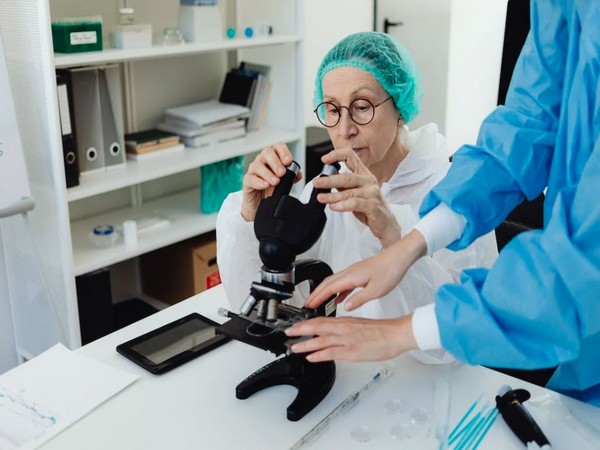
Representative Image

Washington [US], August 14 (ANI): Urinary tract infections are frequent, but treatment is becoming more challenging as the bacteria that cause them to become resistant to several drugs. In lab trials and in mice with pneumonia and urinary tract infections, researchers discovered a novel chemical that inhibits drug-resistant bacteria. This molecule, fabimycin, could one day be used to treat severe infections in humans, according to the researchers.
The findings of the study were published in the journal ACS Central Science.
Gram-negative bacteria are a class of microbes that infect millions of people worldwide, according to the U.S. Centers for Disease Control and Prevention, causing conditions such as pneumonia, urinary tract infections and bloodstream infections.
These bacteria are especially difficult to treat because they have strong defense systems - tough cell walls that keep most antibiotics out and pumps that efficiently remove those antibiotics that get inside. The microbes can also mutate to evade multiple drugs. Furthermore, treatments that do work aren't very specific, eradicating many kinds of bacteria, including those that are beneficial. So, Paul Hergenrother and colleagues wanted to design a drug that could infiltrate the defenses of gram-negative bacteria and treat infections, while leaving other helpful microbes intact.
The team started with an antibiotic that was active against gram-positive bacteria and made a series of structural modifications that they believed would allow it to act against gram-negative strains. One of the modified compounds, dubbed fabimycin, proved potent against more than 300 drug-resistant clinical isolates, while remaining relatively inactive toward certain gram-positive pathogens and some typically harmless bacteria that live in or on the human body. In addition, the new molecule reduced the amount of drug-resistant bacteria in mice with pneumonia or urinary tract infections to pre-infection levels or below, performing as well as or better than existing antibiotics at similar doses. The researchers say the results show that fabimycin could one day be an effective treatment for stubborn infections. (ANI)


Get the App

What to Read Next

Health

The truth about ‘Eating for Two’ explained by doctors

The truth about ‘Eating for Two’ explained by doctors

Health experts warn that interpreting the advice literally can lead to excessive calorie intake, unhealthy weight gain and a higher risk of Gestational Diabetes Mellitus (GDM), a condition that affects blood sugar levels during pregnancy.

Read More
Health

High-fat keto diet may boost exercise benefits

High-fat keto diet may boost exercise benefits

A new study suggests that eating more fat rather than less could help the body gain greater benefits from exercise when blood sugar levels are high, offering an unexpected perspective on how diet and physical activity work together to support metabolic health.

Read More
Health

Pre-workout supplements may cut sleep in half for young users

Pre-workout supplements may cut sleep in half for young users

A popular fitness trend among young people may be quietly undermining their sleep. A new study led by researchers at the University of Toronto has found that teenagers and young adults who use pre-workout supplements are significantly more likely to experience extremely short sleep durations.

Read More
Health

The more you fear aging, the faster your body may age

The more you fear aging, the faster your body may age

Worrying about getting older especially fearing future health problems may actually speed up aging at the cellular level, according to new research from NYU.

Read More
Health

Scientists discover reason high altitude protects against diabete

Scientists discover reason high altitude protects against diabete

Living at high altitude appears to protect against diabetes, and scientists have finally discovered the reason. When oxygen levels drop, red blood cells switch into a new metabolic mode and absorb large amounts of glucose from the blood.

Read More
Home About Us Our Products Advertise Contact Us Terms & Condition Privacy Policy

Copyright © aninews.in | All Rights Reserved.


