 हिंदी खबर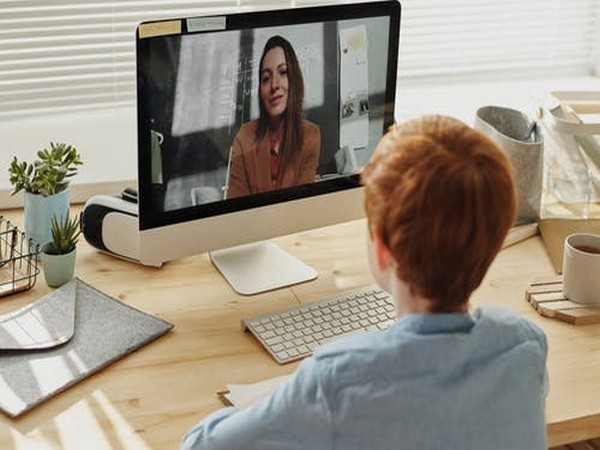

Michigan [US], May 17 (ANI): The COVID-19 pandemic phase observed children attending virtual school, holidays over Zoom, which became norms, however, the results of a national poll have highlighted another trend of children seeing doctors virtually.
The results state that one in five parents say their child had a virtual health visit over the past year for either check-ups, minor illnesses, mental health, or a follow-up - a marked increase in remote care for children.
And while some parents still have reservations about using telemedicine for their kids, the majority were satisfied with the experience, suggest findings from the C.S. Mott Children's Hospital National Poll on Children's Health at the University of Michigan.
"COVID has had a major impact on the delivery of healthcare for children, both for routine check-ups and visits for illnesses," said Mott Poll co-director and Mott pediatrician Gary L. Freed, M.D., M.P.H.
"We've seen a massive expansion of virtual care, but this experience is especially new to parents who primarily relied on in-person pediatric visits. Our poll looked at how parents have experienced this evolution in children's health," added L. Freed.
The nationally representative poll is based on responses from 2,002 parents of children 18 and under in January 2021.
Factors impacting virtual care for kids
One strong factor for the increase in pediatric video visits may be that it was the only choice for some parents during much of the COVID-19 pandemic. Around half of the parents whose child used telemedicine weren't provided with an in-person option, as providers limited office visits due to safety concerns for families and healthcare teams. Instead, many either began to offer or expanded their capacity for pediatric virtual care.
For one in three parents who chose virtual care, however, safety and reducing exposure to the virus was the primary reason. Another third of parents chose virtual visits for convenience.
"For busy parents, a virtual visit reduces the burden of travel time to the appointment and minimizes time away from work or school," Freed said.
And although these video physician interactions were a first for many parents, nine in 10 were satisfied with the visit and felt all their questions were answered.
Still, some parents remain hesitant about using telemedicine for children, citing factors such as technical issues.
One in four parents is worried about technical problems with virtual visits, with this being a more common concern among lower-income parents.
"Moving forward we want to make sure gaps in technology don't exacerbate disparities in care," Freed said. "Providers should provide clear directions and technical support for families who use virtual visits.
"Systems and policies that provide access to necessary and reliable technology will be essential to preventing inequity in availability and use of virtual care," added Freed.
Parents who aren't able to connect through a video visit might start with a telephone consultation, he said, but should be prepared to bring their child for an in-person visit if needed.
One in four parents polled still saw a provider in-person after a virtual visit. This could be because the provider wanted to examine the child, or there was a need for additional services, such as immunizations or lab tests, Freed notes.
Future of e-visits for kids
Families' major concerns about virtual visits are that the provider would not be as thorough as they would be in-person or that it would be too difficult to address their child's problem virtually, according to the Mott Poll.
However, around half of parents would be OK with a virtual visit for a mental health concern or a minor illness. If parents decide to try a virtual visit related to mental health, experts recommend timing it when a child is less likely to have "zoom fatigue" and not too late in the day, which might make concentration and communication difficult.
In contrast, most parents prefer in-person visits for check-ups (77 per cent) with only 23 per cent being okay with a virtual option. Similarly, 74 per cent prefer an in-person visit with a specialist, with 26 per cent saying they're okay with virtual visits.
For parents who may be hesitant about virtual visits, experts recommend first trying it with a non-urgent issue like a sleep or feeding question, Freed said.
"We expect remote visits to continue to expand for pediatric patients long after the pandemic," Freed said.
"Parents should try virtual visits to gauge whether they feel that the provider can understand the child's symptoms or condition, and are comfortable asking questions in the virtual format," Freed concluded. (ANI)




